Top Black Wood Screws for Furniture and Woodworking
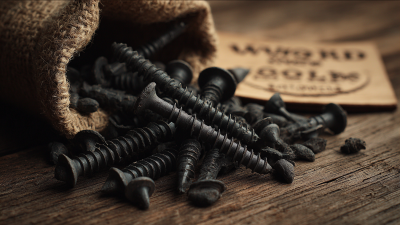
Black Wood Screws can bring a clean, coordinated finish to furniture and woodworking projects. Their dark heads blend naturally with stained timber, painted surfaces, and black hardware. But appearance is only part of the decision.
A screw must also hold securely without splitting the wood or damaging the finished surface. Diameter, length, thread design, head shape, and drive type all affect installation and performance. Even a small screw choice matters. A countersunk head, for example, can sit neatly flush when the hole is prepared correctly.
The right option depends on the material and the job. Softwood, hardwood, plywood, and medium-density fiberboard may respond differently to the same fastener. Pilot holes can help reduce splitting, especially near board edges, while a compatible driver bit helps prevent cam-out. Check the manufacturer’s guidance for the screw’s intended use and load limits.
Coatings deserve careful attention, too. A black finish may be decorative, protective, or both, and its durability can vary by product. It may also scratch during installation. That detail is easy to overlook. For furniture exposed to moisture or frequent handling, verify that the screw is suitable for those conditions rather than relying on color alone.
This guide compares Black Wood Screws for common furniture and workshop applications, considering finish, fit, installation, and practical value. The best choice is not always the darkest or most attractive one. A little testing on scrap wood can prevent a visible mistake on the finished piece. Even then, results depend on the timber, tools, and care used.
What Black Wood Screws Are and How They Work
Top Black Wood Screws for Furniture and Woodworking
What Black Wood Screws Are and How They Work
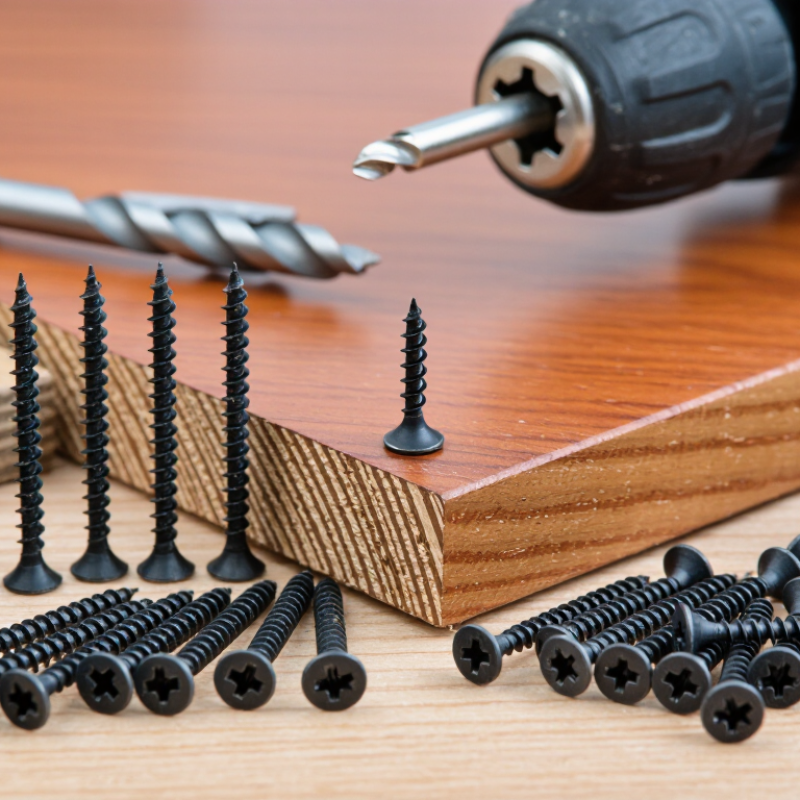
Black wood screws are wood fasteners with a dark surface finish. The color may come from black oxide, phosphate, or another coating, so appearance alone does not confirm corrosion resistance. Check the product specifications, especially for furniture used in damp rooms. Not always.
Their sharp points help start the screw, while the threads bite into wood fibers and draw pieces together. Many have tapered shanks and countersunk heads that sit neatly in a drilled recess. For hardwood, a pilot hole can reduce splitting and make driving easier. Choose a length that grips the second piece without poking through its far side. A screw that is too long can spoil a clean panel.
Tips: Match the screw to the wood and the joint, not just the finish. Test one in an offcut first. Drive slowly, keep the bit aligned, and stop when the head is flush. Overdriving can crush soft wood or damage the dark coating. I still find that a small test hole saves time, though it can feel unnecessary on a quick repair.
Materials and Coatings That Give Screws Their Black Finish
Black screws do not all get their color the same way. The finish may be black oxide, phosphate, or black zinc plating, and each behaves differently around moisture. A dark surface alone does not tell you how well a screw resists corrosion.
Black oxide is a thin chemical conversion layer on steel. It gives a subdued, low-glare finish, but usually offers limited rust protection without oil or another sealant. Phosphate coatings often look charcoal or nearly black. They can hold lubricant and suit indoor furniture, though damp storage or spills may still cause rust. Black zinc plating adds a plated layer and may provide better protection, depending on its thickness and sealing process. Read the product specifications rather than judging by color. Black is not a rating.
For a cabinet or bed frame kept indoors, appearance and fit may matter most. Check the screw’s steel grade, thread style, head shape, and stated coating before choosing. In humid rooms, workshops, or near unfinished wood that may absorb moisture, select a finish rated for those conditions. Test a spare screw on a hidden surface. Some coatings can mark pale wood, and black heads may show scratches where a driver slips. That detail is easy to overlook.
Head, Drive, Thread, and Point Designs
Black wood screws can disappear against dark furniture, but appearance is only part of the choice. A flat, countersunk head sits nearly flush in a prepared recess, while a pan head remains visible and spreads pressure over a wider area. For a clean joint, match the head to the surface and avoid driving it too deep. A small test on scrap helps. I have found that “flush” can still mean slightly proud when the recess is shallow.
The drive affects control during installation. Phillips drives are common, but the bit may slip if pressure is uneven. Square and star-shaped drives often hold the driver more securely, especially when several screws are needed. Use a well-fitting bit. Stop if it cams out; a damaged recess is difficult to repair neatly.
Thread and point design matter just as much. Coarse threads grip well in many softwoods, while hardwood often benefits from a pilot hole to reduce splitting. A sharp point starts easily, but it does not remove the need for care near board edges. Black finishes vary, and some offer limited corrosion protection, so check the product details before using screws where moisture is likely. Hand-tighten the final turns. Overtightening can crush the wood or strip the hole.
How to Choose Screws for Furniture and Woodworking
Choosing black wood screws for furniture starts with the joint, not the color. Match screw length to the material thickness, leaving enough bite without risking a point through the visible face. Coarse threads generally suit solid softwood; denser hardwood may need a pilot hole to reduce splitting. Check the head, too: a countersunk head sits flush, while a pan head remains visible. Small details matter.
The USDA Forest Products Laboratory’s Wood Handbook, General Technical Report FPL-GTR-282 (2021), explains that screw withdrawal resistance depends partly on wood density and penetration depth. The American Wood Council’s 2024 National Design Specification for Wood Construction likewise bases withdrawal design values on wood specific gravity, screw diameter, and embedment. These are useful guides, though furniture joints and materials vary. A black finish alone does not reveal corrosion resistance, so check the coating specification for damp rooms. Test on an offcut. It takes a minute. I would not skip it: a screw can split a narrow rail or sit awkwardly proud, even when its listed dimensions seem right.
Top Black Wood Screws for Furniture and Woodworking
How to Choose Screws for Furniture and Woodworking
Common U.S. wood screw gauges increase in diameter from #6 to #12. Choose a gauge and length suited to the joint and wood thickness; pilot-hole size depends on the screw’s core diameter and the wood.
Diameters shown are nominal major diameters in inches.
Installation Techniques and Common Mistakes
Choose a screw length that enters the second piece securely without emerging through its face. Check the wood thickness, then test the fit on an offcut. Dry-fit the pieces first. Mark each hole, and clamp the parts so they cannot shift as the screw bites. For hardwood, drill a pilot hole close to the screw’s core diameter; softer wood may need a smaller pilot. A countersink helps the head sit flush, but go slowly. Too deep, and the surrounding fibers can crush.
Use a driver bit that fits the screw head snugly, and keep the drill straight. Set the clutch low, then increase it only if the screw stalls. Black finishes can show scratches, so avoid letting the bit slip across the head. Stop when the head meets the surface. I still catch myself overtightening when a joint feels loose; that can strip the hole instead of improving the fit. Back out the screw, inspect the hole, and correct the alignment before trying again. If the screw turns without gripping, a longer fastener is not automatically the fix. Recheck the pilot size and wood condition, and test your repair on scrap first.