Discover the Best Snap Fasteners for Global Sourcing Needs?
Snap fasteners play a crucial role in various industries, from fashion to automotive. The global snap fastener market is projected to reach $5 billion by 2026, with a compound annual growth rate (CAGR) of 6.5%. This growth reflects the increasing demand for durable and reliable fastening solutions. Snap fasteners are favored for their ease of use and efficiency.
However, sourcing these fasteners can pose challenges. Manufacturers often seek suppliers that offer quality, consistency, and innovation. In a market crowded with options, choosing the right snap fasteners can be complex. Not all suppliers meet the high standards required for specific applications.
Sustainability is becoming increasingly important. Many companies are examining the environmental impact of their materials. This offers an opportunity for innovation. Purchasing decisions must consider not only price and quality but also ethical sourcing. As industries evolve, the role of snap fasteners will continue to adapt.
Understanding Snap Fasteners: Types and Applications
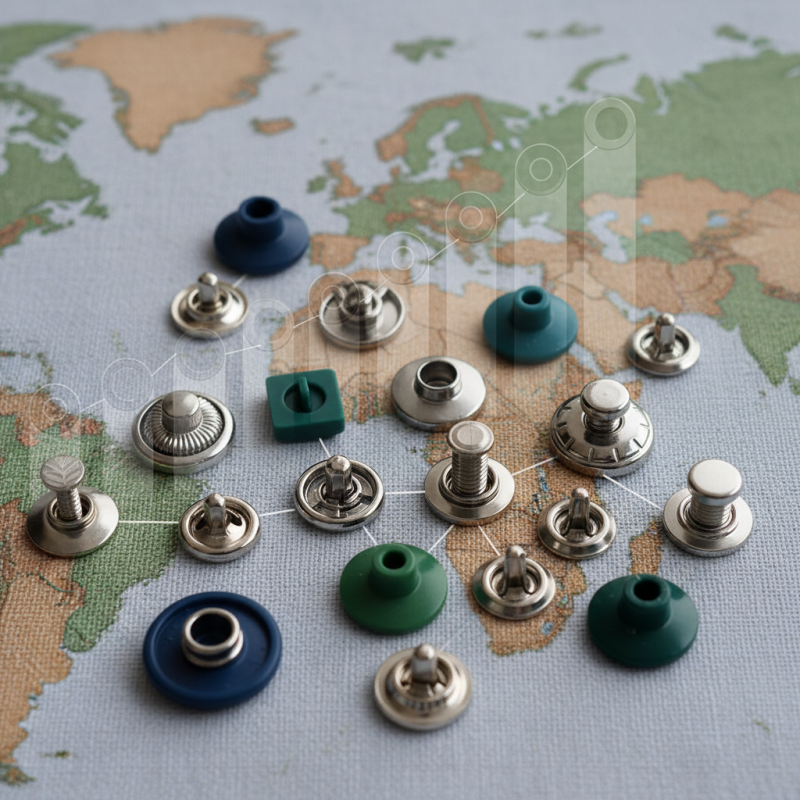
Snap fasteners are essential components in various industries. Their applications range from clothing to automotive and beyond. Understanding the types available is crucial for effective global sourcing. The market for snap fasteners is expected to grow significantly, projected to reach $3 billion by 2025, driven by trends in sustainable fashion and lightweight materials.
There are several types of snap fasteners, including dome snaps, socket and stud snaps, and split socket snaps. Each type serves unique purposes. For example, dome snaps are popular in apparel for their ease of use. They provide a secure closure while allowing for flexibility. Socket and stud snaps, on the other hand, are widely used in outdoor gear. Their robust design withstands harsh conditions.
While these fasteners offer multiple benefits, challenges exist. Sourcing high-quality materials that meet durability standards can be tricky. There is also the issue of varying manufacturing practices globally. Ensuring that suppliers maintain quality is paramount. A reliable supply chain allows for consistent product performance. The importance of thorough due diligence in selecting partners cannot be overstated.
Key Factors to Consider When Sourcing Snap Fasteners Globally
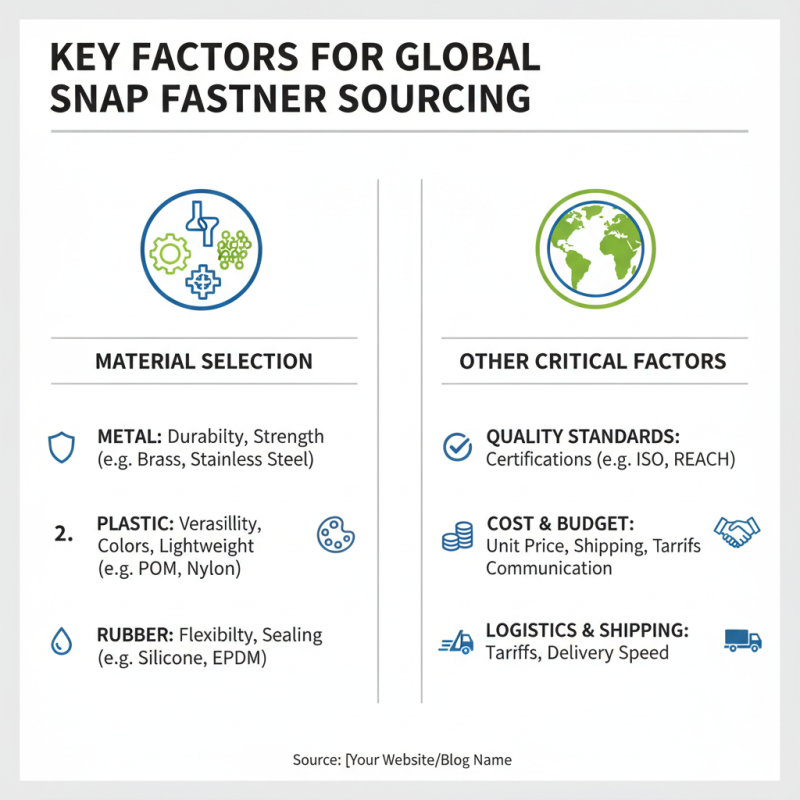
When sourcing snap fasteners globally, various key factors matter. Material selection is critical. Common materials include plastic, metal, and rubber. Each offers distinct benefits. For instance, metal fasteners are renowned for durability, while plastic ones provide versatility and color options.
Quality control is another vital aspect. According to a recent report by MarketsandMarkets, quality issues can account for nearly 25% of production delays in the fastener industry. Ensuring that suppliers meet quality standards is essential. Regular audits and certifications can mitigate risks. Establishing clear communication channels can help address potential quality concerns early.
Cost efficiency also plays a significant role. Price fluctuations in raw materials influence fastener prices. Research indicates that global pricing trends can vary by region. That creates challenges for buyers. They must analyze costs, quality, and supplier reliability. Balancing these factors is crucial to successful global sourcing. However, this requires ongoing assessment to adapt to changing market dynamics.
Top Global Suppliers of Snap Fasteners: A Comparative Analysis
When sourcing snap fasteners, it is essential to evaluate suppliers carefully. Each supplier varies in quality, price, and delivery times. Focus on those that have established a reputation in the industry. They tend to offer more reliable products. Checking reviews and seeking testimonials can provide insight into their reliability.
Consider your specific needs when choosing suppliers. Some specialize in lightweight materials, while others offer durable options. This diversity can be beneficial in meeting different project demands. Understanding the nuances can save time and reduce errors. Always ask for samples before making a bulk purchase. It helps ensure the fasteners align with your requirements.
Tip: Build relationships with multiple suppliers. This strategy can give you leverage in negotiations. It can also ensure you have options in emergencies. Regular communication strengthens these ties. Tip: Monitor trends in snap fasteners. New materials and designs emerge frequently. Staying updated allows you to adapt quickly to market demands.
Quality Standards and Certifications for Snap Fasteners
When sourcing snap fasteners, understanding quality standards and certifications is crucial. Snap fasteners, used in diverse industries, must meet specific requirements to ensure safety and performance. According to the International Organization for Standardization (ISO), certain specifications govern the manufacturing of these fasteners, particularly in textiles and automotive applications.
ASTM International highlights that snap fasteners should endure various stress and environmental factors. Materials must resist corrosion and deformation. A recent industry report indicates that over 30% of failing snap fasteners are due to inadequate material quality.
Ensuring compliance with relevant certifications is vital for global sourcing. Certified manufacturers often undergo rigorous testing to guarantee the durability and reliability of their products.
Challenges exist in maintaining quality across different regions. Quality consistency can be hard to achieve, especially with low-cost manufacturing options. Companies must vet suppliers thoroughly. Balancing cost and quality is an ongoing concern. As global demand for reliable fastening solutions rises, prioritizing quality standards will significantly influence sourcing success.
Innovative Trends in Snap Fastener Designs and Materials
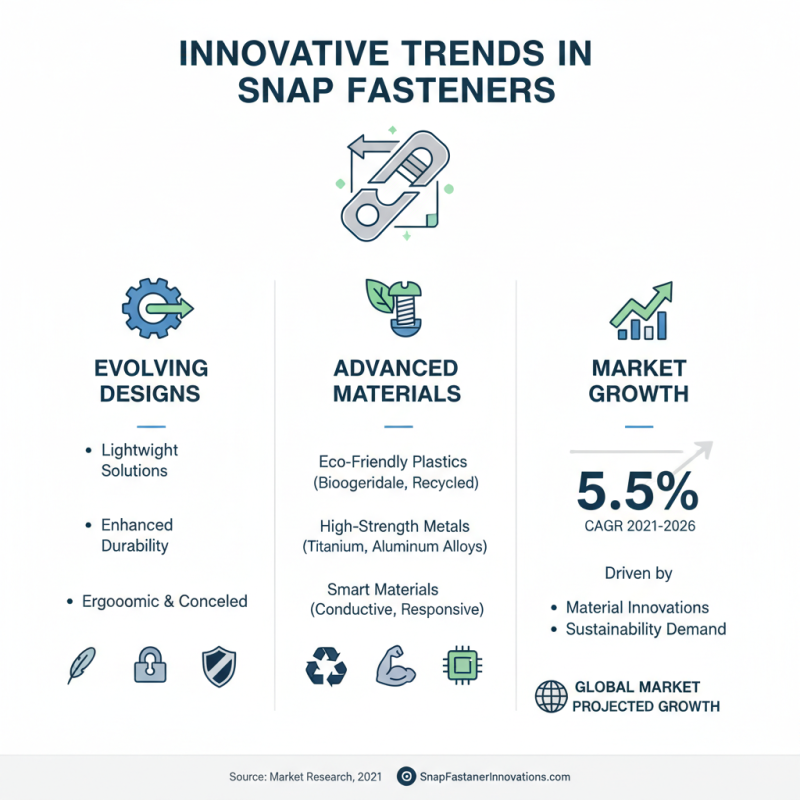
Snap fasteners are evolving, driven by innovative designs and materials. Recent studies indicate a growing demand for lightweight, durable fastening solutions. According to market research, the global snap fastener market is projected to grow at a CAGR of 5.5% from 2021 to 2026. This growth is largely fueled by advancements in materials, such as eco-friendly plastics and high-strength metals. These materials not only enhance product longevity but also reduce environmental impact.
Consider experimenting with various designs. Magnetic snap fasteners are gaining popularity due to their ease of use and secure hold. Their sleek profiles are ideal for modern apparel and accessories. Additionally, investing in custom designs can cater to specific consumer preferences. This personalization may increase product relevance in a crowded market, as noted by a recent trend report showing that customized products can see sales boosts of 20% or more.
Tips: Assess the environmental impact of materials used in snap fasteners. Look for certifications that ensure sustainability. Aim to balance durability with style. Keep customer feedback in the design loop to refine your product offerings. Often, the best ideas come from listening to end-users.