Top 10 Types of Weld Studs You Should Know About?
In the world of welding, understanding the various types of weld studs is crucial. According to expert John Smith, a renowned engineer in the welding industry, “Choosing the right weld stud can significantly enhance the strength and durability of your project.” With numerous options available, knowing the characteristics of each stud type is essential for effective application.
Weld studs serve distinct purposes in different industries. They are commonly used in construction, automotive, and manufacturing sectors. Each type of weld stud, whether it's a threaded, unthreaded, or insulation stud, offers unique benefits. Selecting the appropriate one can optimize performance and reliability. Yet, many professionals often overlook the specific advantages of each stud type, leading to less effective outcomes.
Consider the implications of your choices. A mismatch can result in project delays and increased costs. It’s vital to assess the requirements before making a decision. By exploring the top 10 types of weld studs, you’ll gain insights that could elevate your welding projects. This exploration will not only enhance your knowledge but also refine your technical skills.
Understanding Weld Studs: Definition and Purpose
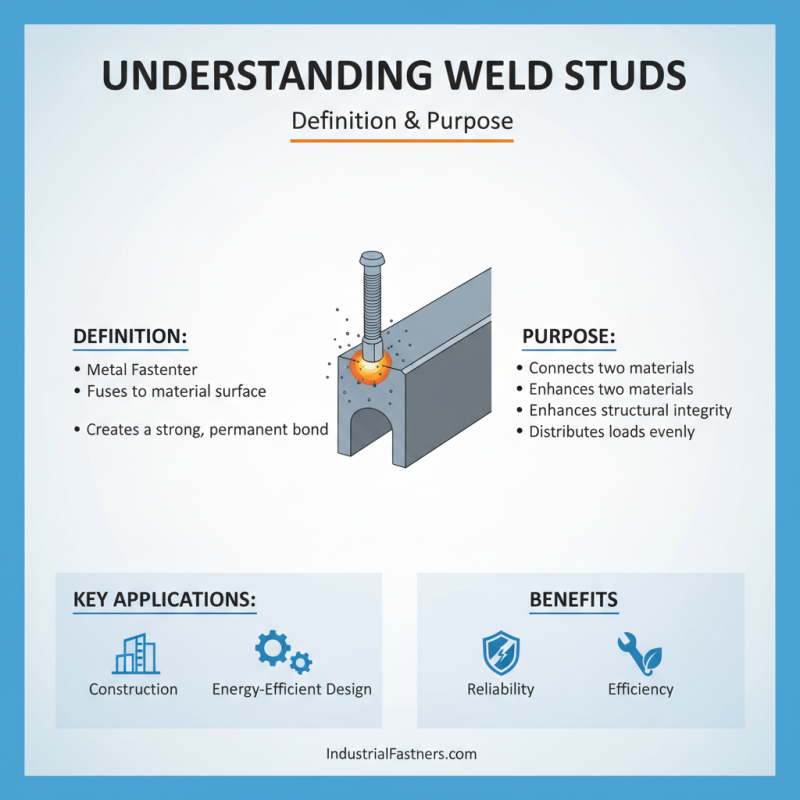
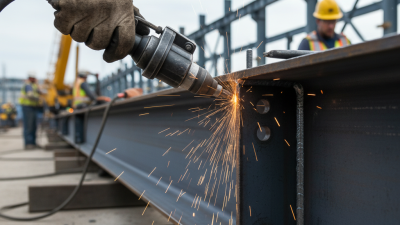
Weld studs serve a crucial role in various industrial applications. These fasteners provide a reliable means of connecting two materials, notably in construction and manufacturing. According to industry reports, weld studs can enhance structural integrity by distributing loads effectively across surfaces. They are often used in metal fabrication and are essential for energy-efficient design.
The purpose of weld studs extends beyond simple fastening. They create permanent connections with minimal heat input, which reduces distortion. This effectiveness is notably seen in the automotive sector, where studies have shown that weld studs contribute to lighter vehicle structures without sacrificing strength. Furthermore, manufacturers report lower assembly time, which can lead to increased productivity on the production line.
Despite their advantages, the selection of appropriate weld studs requires careful consideration. In some cases, improper stud selection leads to joint failures. Experts recommend thorough assessment of materials and environments to mitigate risks. Real-world examples highlight the importance of precise specifications and welding techniques to optimize performance, ensuring applications achieve their intended safety and durability standards.
Types of Weld Studs: An Overview of Common Varieties
Weld studs come in various types, each serving specific applications in manufacturing and construction. These studs are critical for creating strong, durable connections between materials. Understanding the common varieties can empower professionals in making informed choices.
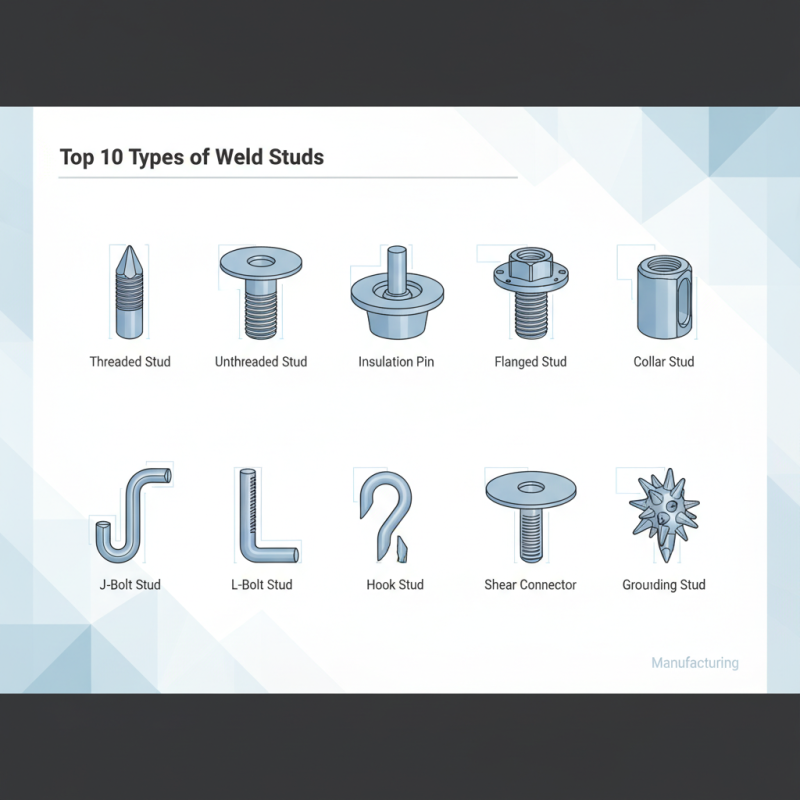
One popular type is the shear stud. These are often used in composite construction. Their design allows for strong interlocking between concrete and steel. Another widely used variety is the grounding stud. It ensures electrical connections are secure and reliable, which is crucial in electrical systems. Then, we have the insulated stud, which helps to minimize thermal transfer between connected surfaces.
Among the lesser-known types are the anchor studs. These are essential in anchoring structures to a foundation. In some cases, they may require additional inspections to ensure they meet safety standards. Each type of weld stud plays a unique role in different environments. It's essential for engineers to evaluate each type's strengths and weaknesses carefully. This analysis can often lead to better project outcomes and increased safety.
Applications of Weld Studs in Different Industries
Weld studs play a crucial role in various industries. They provide strong, permanent connections between different materials. In construction, weld studs are commonly used for structural steel assemblies. They anchor steel plates, ensuring stability and durability. This application is vital for high-rise buildings and bridges, where safety is a top priority.
In the automotive sector, weld studs are essential for chassis assembly. They allow quick and efficient connections, reducing assembly times. This method enhances vehicle robustness and longevity. However, precision is required. Misaligned studs can lead to structural weaknesses.
Another significant application is in electrical industries. Weld studs serve as attachments for electrical components, ensuring secure connections. They help in enhancing efficiency in power distribution systems. Despite their advantages, improper welding techniques could lead to failures. Ongoing training and quality control are necessary to mitigate this risk. Different environments and materials can impact performance, warranting careful consideration during planning.
Factors to Consider When Choosing Weld Studs
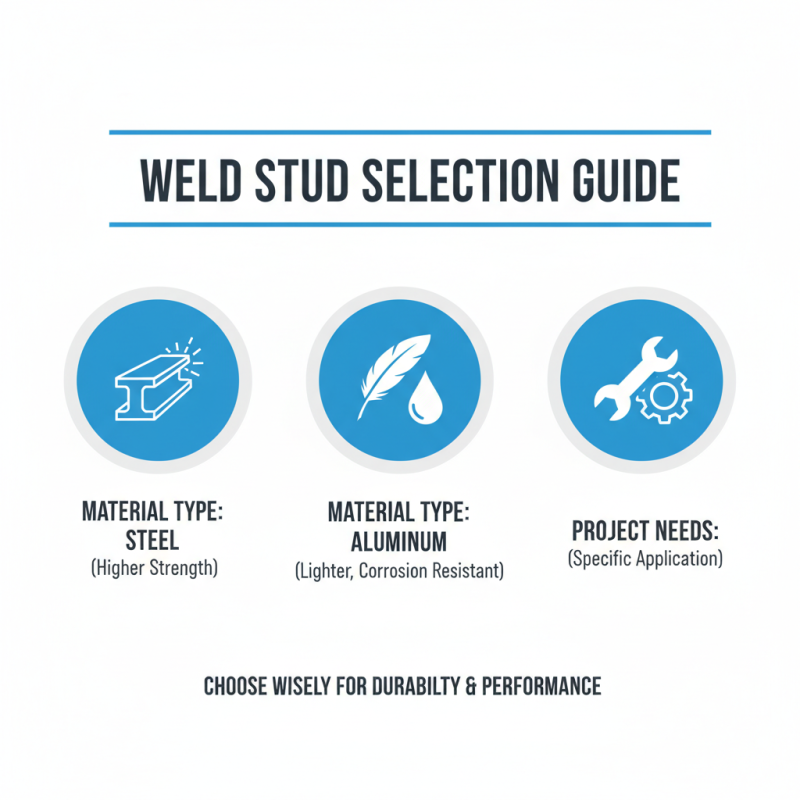
When selecting weld studs, various factors come into play. Primarily, you need to consider the material of the stud. Common materials include steel and aluminum. Each has distinct characteristics. Steel generally offers higher strength, while aluminum is lighter and resistant to corrosion. Think about your project's specific needs.
Next, the stud's coating is crucial. A good coating enhances durability and protects against environmental factors. Look for coatings that resist rust and wear. The application method is another key consideration. Certain studs are compatible only with specific welding processes. For instance, arc welding typically demands different studs than resistance welding.
Finally, load-bearing capacity matters. Assess the maximum load your application will encounter. Ensure the stud can handle this effectively. You might face challenges if the stud lacks sufficient strength. Testing and consulting industry standards is advisable. Such steps ensure your choice will withstand the rigors of its intended environment. Take time to review these factors for a successful selection.
Best Practices for Installing Weld Studs for Optimal Performance
Installing weld studs correctly is crucial for achieving optimal performance. Understanding your environment can influence the choice of stud type. For instance, stainless steel studs are excellent in corrosive areas, while carbon steel studs work well in less demanding environments. Always ensure proper surface preparation before welding. Clean surfaces enhance adhesion and bond strength.
The welding process itself demands attention. Control your heat settings to avoid damaging the base material. Overheating can lead to warping or weakening of the materials. Moreover, using the right type of welding machine improves efficiency. A consistent welding speed helps maintain quality. Remember to use appropriate personal protective equipment to ensure safety during installation.
Check your work frequently. Deviations in stud placement can compromise performance down the line. It’s also a good practice to test the welds after installation. This often reveals mistakes that can be easily corrected. Learning from each project enhances your skills and contributes to better outcomes in the future. Every installation offers lessons that refine techniques and improve results.
Top 10 Types of Weld Studs You Should Know About
This bar chart illustrates the popularity of the top 10 types of weld studs based on industry usage. Each type of stud serves specific purposes in welding applications, contributing to various project requirements and outcomes.