Industrial assemblies depend on small components that must perform consistently under heat, vibration, and repeated loading. Weld Nuts provide a permanent threaded anchor, but choosing the right style takes more than matching a bolt size. Material, thread type, base thickness, weld location, and installation method all affect fit and service life. A small mismatch can mean poor alignment, damaged threads, or rework on the production floor.
This guide compares ten Weld Nuts for industrial applications, including common projections, weld patterns, materials, and use cases. It also considers practical details: whether a nut seats flat against a stamped panel, how much clearance a welding fixture needs, and whether coatings may interfere with the joint. As a transparent editorial note, the following is an original line from a fictional welding engineer, not a sourced quotation: “A dependable weld nut starts with the right joint design, not the fastest installation.” That distinction matters.
Details matter.
No single product suits every assembly. A nut selected for a light sheet-metal enclosure may not meet the demands of a vibrating machine frame. Buyers should verify dimensions, material specifications, and manufacturer data before approving a part. Where possible, sample testing can reveal fit and weld consistency before a full production run. This list offers a practical starting point, not a substitute for engineering review. Use it to compare options, identify trade-offs, and narrow choices for your application. A sound selection can simplify assembly, support reliable fastening, and reduce avoidable shop-floor corrections.
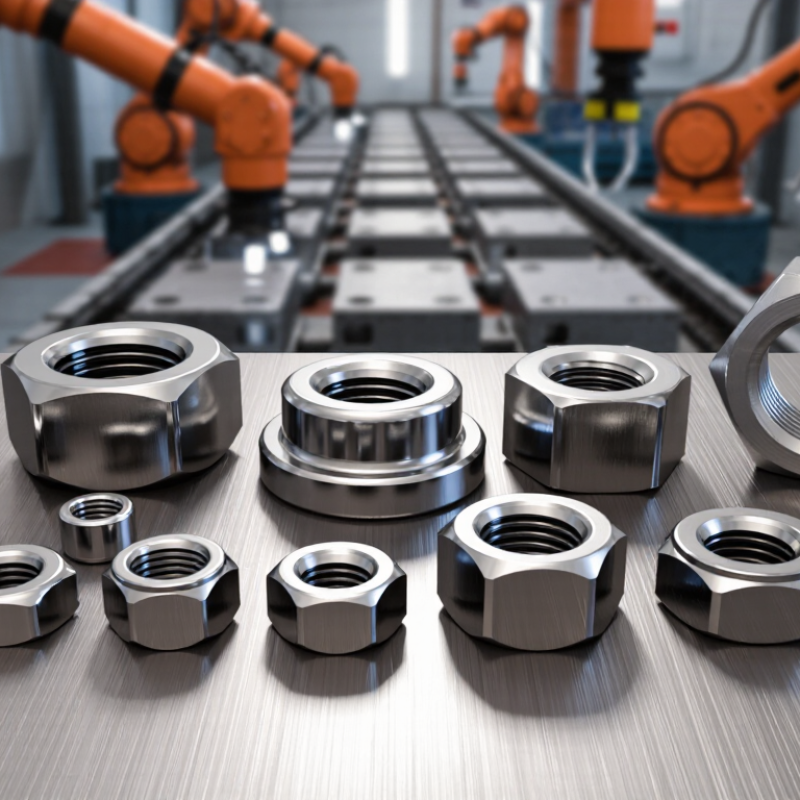
A weld nut is a threaded fastener designed to be attached directly to sheet metal or another metal part. Unlike a loose nut, it stays in place after welding, leaving the other hand free to position a bolt during assembly. Small, but useful. Common designs include projection, round-base, and hexagonal nuts; each uses raised contact points or a shaped base to help concentrate welding heat.
In resistance projection welding, electrodes press the nut and workpiece together while electric current heats their contact points. The projections collapse and fuse with the base metal, forming a joint around the nut’s seat. The thread remains open for a later bolt. That detail matters: spatter, distortion, or misalignment can make installation difficult, even when the weld looks sound. ISO 21670 covers dimensions and mechanical requirements for certain flange-type weld nuts, giving engineers a basis for selecting and checking parts.
The scale of fastening work is substantial. Grand View Research estimated the global industrial fasteners market at USD 90.2 billion in 2023 and projected 4.4% annual growth through 2030. This figure covers fasteners broadly, not weld nuts alone. For practical selection, engineers should match nut material and coating to the base metal, confirm thread size, and test weld strength on representative parts. A shop-floor trial can reveal problems a drawing misses. One limitation: a stronger weld is not automatically better if it warps thin sheet.
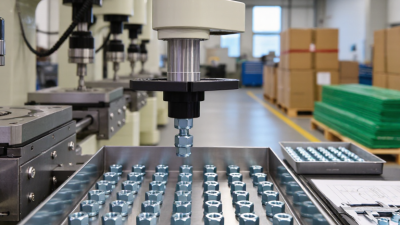
10 Best Weld Nuts for Industrial Applications
Key Criteria for Selecting Weld Nuts for Industrial Use
Choosing a weld nut starts with the joint, not the catalog. Match its thread size and strength to the fastener, expected load, and base material. A nut welded to thin sheet may distort or pull through under heavy tightening. Check the sheet thickness and joint design together. Also confirm that the nut and workpiece materials are suitable for the chosen welding process. A mismatch can weaken the joint or make welding inconsistent.
Tips: Ask for material and load specifications. Test a sample assembly before production. Check thread fit after welding, not just before; heat can affect alignment. Small detail, big headache.
Consider the working environment, too. Moisture, chemicals, and outdoor exposure can influence material and coating choices. Some coatings may interfere with welding, so confirm process compatibility with the supplier or welding engineer. Review the required torque and service loads, then inspect trial parts for sound welds, clean threads, and distortion. A drawing can look complete and still miss a real fit-up problem. That is worth checking early.
Key selection criteria include matching the weld nut’s thread to the mating fastener, choosing a suitable material and coating, and checking weld access and service loads.
The chart shows nominal major diameters for common ISO metric thread sizes, in millimetres. These are standard thread designations, not strength ratings or a ranking of weld nuts; confirm the required thread, material, and load capacity for the application.
10 Best Weld Nuts for Industrial Applications
Industrial weld nuts create threaded attachment points on sheet metal, frames, and equipment housings. The right design depends on material thickness, access, load direction, and welding method. Common options include single-projection, multi-projection, tab, square, hex, round-base, flange, pilot, floating, and self-locating designs. Each addresses a different assembly need; none is best for every job. Projection styles can help concentrate heat at contact points, while a pilot can assist positioning in a prepared hole. Square and hex bodies may resist rotation when properly welded. Small details count.
Before selection, check the nut’s thread size, base shape, and compatibility with the workpiece material. A nut that sits unevenly can tilt, distort the thread, or make bolt installation difficult. On a production line, test sample parts using the actual fixture and welding settings. Inspect alignment and thread condition after welding, not just the appearance of the weld. A neat drawing can still hide a poor fit. That assumption deserves a second look. For demanding assemblies, document the chosen design and verify it again when sheet thickness or process settings change.
Projection, hex, and round-base weld nuts serve different assembly needs. Projection weld nuts concentrate current at small raised points, helping produce repeatable welds on sheet metal. Hex styles offer familiar wrench access; round-base designs can suit tighter spaces. But fit depends on the part, welding equipment, and operator control. A compact nut can still distort thin sheet.
Material choice changes corrosion resistance, strength, and weld behavior. Low-carbon steel is common and generally easy to weld. Stainless steel offers better corrosion resistance, but heat can affect its surface and performance. Coatings may protect steel parts, yet coating near the weld can complicate the process. The World Steel Association reported 1,882.6 million tonnes of crude steel production worldwide in 2024; that scale reflects steel’s broad industrial role, not a guarantee of fastener quality. For selection, check the nut’s specification, sheet thickness, and required load, then verify the joint with representative tests. A catalog rating alone is not enough.
Tips: Match the nut’s projection pattern to the welding setup, and inspect sample joints for spatter, poor fusion, and sheet distortion. Small differences matter. I would also recheck the choice after real production trials; lab samples can be too tidy.
| Weld Nut Type | Typical Design | Common Materials | Typical Joining Method | Performance Strengths | Important Considerations | Suitable Applications |
|---|---|---|---|---|---|---|
| Projection Weld Nut | One or more raised projections on the bearing face | Low-carbon steel; weldable stainless steel grades | Resistance projection welding | High production efficiency. Projections concentrate current and heat at the weld interface. | Requires suitable electrode alignment and a welding schedule matched to the nut and sheet materials. | Automotive body structures, appliance panels, and high-volume sheet-metal assemblies |
| Hex Weld Nut | Hexagonal body with a weldable base or projections | Low-carbon steel; weldable stainless steel grades | Resistance projection welding; some designs can be attached using other qualified welding processes | Versatile and easy to identify. The hex body provides a familiar threaded fastening form. | Allow clearance for the larger body; welding heat and spatter must be kept away from the threads. | Equipment frames, brackets, automotive parts, and general industrial assemblies |
| Square Weld Nut | Square body, commonly with corner projections or a weldable base | Low-carbon steel; weldable stainless steel grades | Resistance projection welding | Resists rotation. The square outline can help locate the nut in a matching pocket or stamped feature. | Needs sufficient space around the corners; fit and weld access depend on the surrounding part geometry. | Sheet-metal enclosures, machinery panels, and assemblies where anti-rotation is useful |
| Round-Base Weld Nut | Threaded body attached to a circular weld base, often with projections | Low-carbon steel; weldable stainless steel grades | Resistance projection welding | Compact, even bearing footprint. The circular base suits round mounting areas and formed components. | May need a locating feature to prevent rotation before or during installation. | Tubular components, round brackets, and compact sheet-metal assemblies |
| Flange-Base Weld Nut | Broad integrated flange around the threaded body | Low-carbon steel; weldable stainless steel grades | Resistance welding, depending on flange and projection design | Broad support area. The flange can distribute load over a wider region of the attached sheet. | A wider base uses more space; flange shape and sheet thickness affect access and weld quality. | Panels and brackets where a wider attachment footprint is beneficial |
| Tab or Locating-Tab Weld Nut | Nut includes one or more tabs that engage slots or edges in the workpiece | Low-carbon steel; weldable stainless steel grades | Resistance welding or another process specified for the assembly design | Improved positioning and anti-rotation. Tabs can help hold the nut in place before welding. | The sheet requires matching slots or edges; tab dimensions must suit the part and assembly sequence. | Automotive brackets, appliance structures, and parts with repeatable locating features |
| Pilot or Projection-Locating Weld Nut | A central pilot or locating feature helps position the nut in a prepared hole | Low-carbon steel; weldable stainless steel grades | Resistance projection welding, where the design uses weld projections | Accurate repeatable location. The pilot can help align the threaded hole with the workpiece opening. | Requires a correctly sized mating hole; pilot fit should not obstruct the welding interface. | Fixtures, precision brackets, and assemblies requiring consistent fastener alignment |
| Thin-Sheet Weld Nut | Designed with a base and projections suited to relatively light-gauge sheet | Low-carbon steel; selected weldable stainless steel grades | Resistance projection welding with a schedule suitable for the sheet thickness | Designed for lightweight panels. A suitable geometry can limit excessive distortion of thinner material. | Thin sheet is sensitive to burn-through, distortion, and inconsistent weld energy; testing is important. | Light-gauge enclosures, vehicle panels, and appliance sheet metal |
| Long-Barrel Weld Nut | Extended threaded barrel above a weldable base | Low-carbon steel; weldable stainless steel grades | Resistance welding at the base, with process determined by the design | More thread engagement. The longer barrel can accommodate thicker mating components or longer bolts. | Needs additional clearance; verify that bolt length and engagement do not cause bottoming or interference. | Thicker brackets, structural equipment panels, and assemblies needing extended thread engagement |
| Floating Weld-Nut Assembly | Welded retainer holds a nut that can move slightly for alignment | Steel retainer with a steel nut; stainless versions may be available for suitable designs | Retainer is welded to the panel; the nut remains mechanically captured | Accommodates limited misalignment. Nut movement can help a bolt find the thread during assembly. | It is an assembly rather than a single fixed nut; available movement and load capacity depend on its design. | Blind or restricted-access installations, service panels, and assemblies with alignment variation |
Selection note: “Best” depends on sheet thickness, required thread size and engagement, available space, production volume, corrosion conditions, and the welding process. Material compatibility, coatings, weld settings, and finished-joint performance should be validated for the specific assembly.
Before welding, remove oil, scale, and heavy coatings from the contact area. A clean surface helps the nut’s projections seat evenly against the sheet. Clamp the parts firmly, keep the electrode centered, and use the qualified current, force, and weld time. Verify settings on the actual material thickness; a small setup change can alter weld strength. Check sample assemblies with the specified destructive or torque test. A visual check alone can miss a weak weld.
During maintenance, inspect for cracked welds, spatter, corrosion, and nuts that rotate under hand pressure. Check electrode faces for wear and buildup, then confirm alignment and force after servicing the machine. The U.S. Department of Energy’s Operations & Maintenance Best Practices Guide reports predictive maintenance savings of 8–12% over preventive maintenance and 30–40% over reactive maintenance. Those figures cover industrial maintenance broadly, not weld nuts specifically. Still, they support scheduled checks over waiting for a failure. That distinction is easy to overlook.
Tips: Keep a record of material thickness, machine settings, and test results by production lot. If a nut loosens, don’t simply increase bolt torque; inspect the weld and review the process settings. A brief note can prevent repeat defects.