2026 Best Weld Nuts for Global Buyers How to Choose?
Choosing the best weld nuts for global buyers requires an understanding of specific needs. Weld nuts, essential components in various industries, play a critical role in fastening systems. Their design and materials significantly affect performance and reliability.
When selecting weld nuts, factors like material strength, corrosion resistance, and size specifications matter. Global buyers should consider the applications for which the weld nuts are intended. A mismatched weld nut can lead to failures in assemblies, impacting overall project success. It’s a reminder to analyze specifications carefully.
Buyers should also be aware of the varying standards across different markets. This inconsistency can complicate sourcing and quality assurance. Recognizing these challenges is crucial in making informed choices. Trustworthy suppliers who understand these nuances can guide you efficiently. Reflect on previous experiences to inform future purchases.
Understanding Weld Nuts and Their Applications in Manufacturing
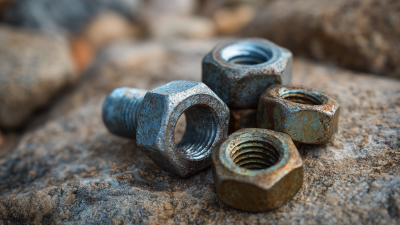
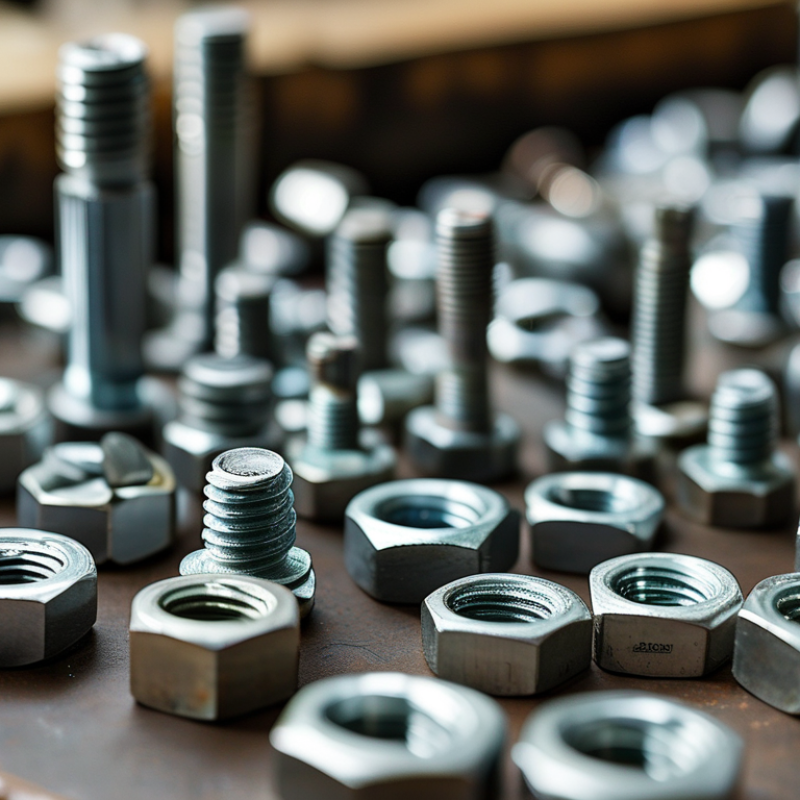
Weld nuts are essential components in various manufacturing processes. They ensure secure connections between different parts. Understanding their applications is crucial for selecting the right type. Often, they find use in automotive, aerospace, and furniture industries. Their ability to withstand significant stress makes them reliable for heavy-duty applications.
Tips for choosing weld nuts:
- Assess the environment. Different materials resist corrosion differently.
- Consider the load requirements. Ensure the nut can handle expected forces.
- Look into various sizes. Compatibility with your components is key.
It's important to note that not all weld nuts are the same. Variations in design and material can affect performance. Some weld nuts work well in specific environments but fail elsewhere. Testing is vital for ensuring the right fit. Errors can occur if miscalculations are made regarding load and application.
Keep an eye on standards in your industry. Non-compliance may lead to safety issues or product failure. Documentation is often necessary to prove compliance. Diligence in this area can save time and costs later.
2026 Best Weld Nuts for Global Buyers How to Choose? - Understanding Weld Nuts and Their Applications in Manufacturing
| Type of Weld Nut |
Material |
Plating Options |
Typical Applications |
Load Capacity |
Dimensions (mm) |
| Standard Weld Nut |
Steel |
Zinc Plated |
Automotive Frames |
15 kN |
M6 x 10 |
| Hex Weld Nut |
Stainless Steel |
Passivated |
Heavy Equipment |
20 kN |
M8 x 12 |
| Stud Weld Nut |
Carbon Steel |
Hot Dip Galvanized |
Construction |
25 kN |
M10 x 15 |
| Flanged Weld Nut |
Aluminum |
Anodized |
Aerospace |
10 kN |
M5 x 8 |
| Weld Nut with Collar |
Bronze |
Natural Finish |
Marine Applications |
30 kN |
M12 x 18 |
Key Factors to Consider When Choosing Weld Nuts for Different Projects
When selecting weld nuts for various projects, consider specific factors that influence your decision. Material and strength are critical. Choose materials that suit the environment, like stainless steel for corrosion resistance. For heavy-duty applications, high-strength steel offers durability. Pay attention to the nut's load capacity based on your project's requirements.
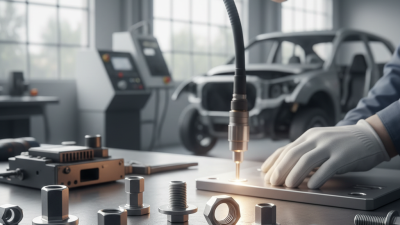
Quality matters significantly. Look for reliable manufacturers with solid reputations. Certifications can indicate quality and compliance with industry standards. Inspect weld designs closely. Poorly designed weld nuts can lead to failures.
Tips: Test the weld nuts before full-scale use. Conduct sample welds to assess performance. This ensures suitability for your project. Engage with other professionals. Their insights can help you understand commonly faced issues. Collect feedback on new designs. Real-world experiences can guide better choices. Always stay updated on the latest industry standards. Adapting to changes can enhance your selection process.
Types of Weld Nuts and Their Unique Features for Global Buyers
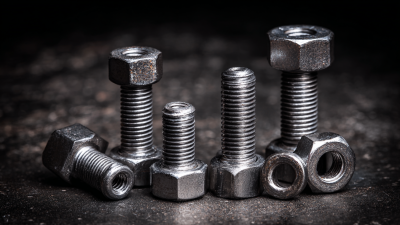
Weld nuts come in various types, each designed for specific applications. A common type is the hex weld nut. This fastener features a hexagonal shape, making it ideal for wrench tightening. It provides strong torque and holds up well under heavy loads. These nuts are commonly used in automotive and metal fabrication industries.
Another noteworthy type is the round weld nut. Its unique shape allows it to be welded in confined spaces. This versatility is essential for projects requiring precise installation. Round weld nuts are often used in manufacturing equipment where space is limited. They can help reduce components while maintaining structural integrity.
Considerations matter when choosing weld nuts. Ensure the material fits your application; options include steel and stainless steel. Think about the weldability; some materials bond better than others. Look into the size and thread specifications, as these will impact performance. A good understanding of these factors can enhance your projects significantly.
Quality Standards and Certifications for Weld Nuts in the Global Market
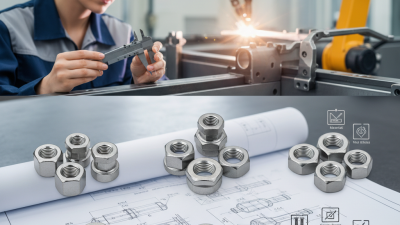
When choosing weld nuts for global markets, understanding quality standards is crucial. Certifications guarantee that weld nuts meet specific performance requirements. These can include tensile strength, corrosion resistance, and dimensional accuracy. Buyers should seek weld nuts that adhere to international standards such as ISO or ASTM. These standards ensure consistent quality and reliability in various applications, from automotive to construction.
Testing methods play a vital role in quality assurance. Manufacturers must conduct rigorous inspections throughout the production process. This includes visual checks and mechanical testing. Documentation of these tests is essential for transparency. However, not all manufacturers may provide this information readily. Buyers must ask for quality certifications, ensuring the products meet required specifications.
Different industries may have unique demands. A common oversight is not understanding these needs fully. For example, automotive applications may prioritize fatigue strength while electronics focus on electrical conductivity. Researching industry-specific requirements can save time and cost. Aim for suppliers who display both expertise and a commitment to quality, even if their processes aren't perfect. Understanding these nuances can lead to informed purchasing decisions.
Comparative Analysis of Leading Brands of Weld Nuts for Buyers
When selecting weld nuts, understanding the differences among leading brands is crucial. Each brand has unique attributes that impact performance. For instance, some weld nuts offer superior strength due to their material composition, while others excel in corrosion resistance. Buyers must consider their specific application needs.
Considering the manufacturing process can reveal a lot. High-quality weld nuts undergo rigorous testing for durability and reliability. However, some brands may cut corners, leading to potential failures. It’s essential to look for certifications that indicate compliance with international standards. Such certifications can add a layer of assurance in your purchasing decision.
Price does not always reflect quality. Some budget-friendly options might serve well in less demanding applications. Yet, investing in more robust options for critical projects is usually wise. It's about finding that balance. Reflecting on past experiences with different brands can help. Take note of any issues faced. This reflection aids in making informed choices for future purchases.