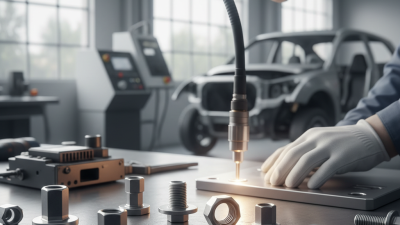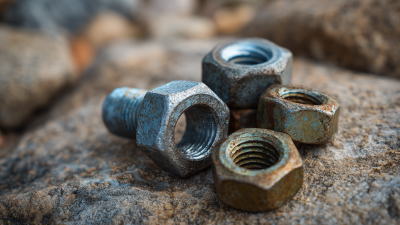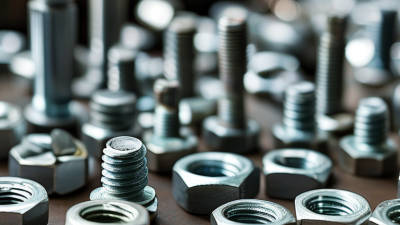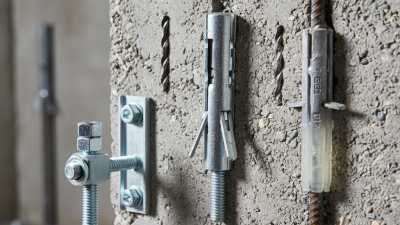
Choosing the right China best Weld Nuts manufacturer and supplier requires more than comparing online prices. In real sourcing work, small details often decide project success. Thread accuracy, weld projection height, base thickness, and surface treatment must match the assembly process. A nut may look acceptable in a sample tray but fail during automated welding or torque testing.
Reliable Chinese manufacturers usually provide material certificates, dimensional inspection reports, and production traceability. They should explain whether their Weld Nuts use low-carbon steel, stainless steel, or another suitable alloy. Coating options, such as zinc plating, also deserve careful review. The selected finish must support corrosion resistance without affecting thread engagement. Ask for samples. Test them on your actual sheet metal.
Factory experience matters. A capable supplier understands stamping, thread forming, projection welding, tooling maintenance, and packaging protection. During evaluation, review equipment, inspection methods, production capacity, and previous application experience. ISO certification can support credibility, but it should not replace practical verification. Audit the details.
No supplier is perfect.
Even experienced factories may face tooling wear, delayed material arrivals, or inconsistent batch results. That is why clear drawings, approved samples, measurable quality standards, and final inspections are essential. This guide examines how to identify a dependable China Weld Nuts manufacturer and supplier. It also considers communication, customization, delivery reliability, and long-term technical support. The “best” choice depends on your application, not advertising language alone.
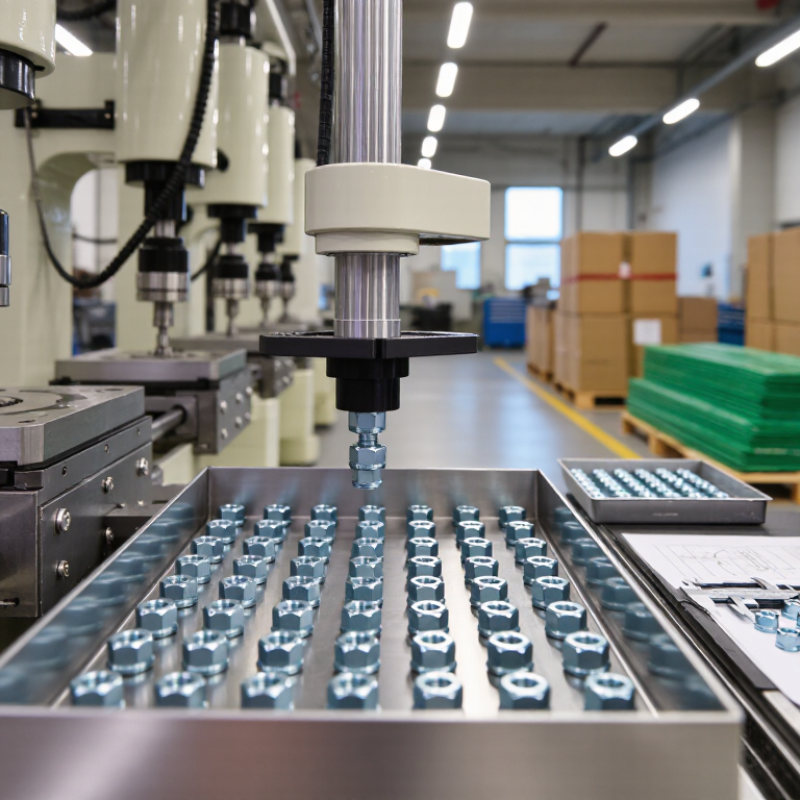
A weld nut is a threaded fastener designed to become part of a metal panel. It is welded directly onto the panel’s surface. The weld creates a permanent anchor for a bolt. It stays put.
Common designs include projection weld nuts, round-base nuts, and nuts with locating pilots. Small raised projections focus welding heat in specific areas. These projections melt and join the nut to the sheet. After cooling, the internal thread remains available for repeated bolt installation.
In practical fabrication, accurate positioning matters more than speed. The nut should sit flush against a clean, properly prepared surface. A fixture can prevent movement during resistance welding. Misalignment may cause cross-threading or uneven clamping later. I have seen simple positioning errors create expensive assembly delays. That risk is easy to underestimate.
Selecting the correct weld nut requires checking thread size, panel thickness, material compatibility, and corrosion conditions. Thin sheet metal may distort under excessive heat. More welding is not better. Heat control deserves careful review. For load-bearing joints, engineers should verify pull-out strength and torque performance through suitable testing. A reliable installation also protects the thread from weld splash and deformation. When the panel must remain attractive, the welding marks and backside access need consideration before production begins.
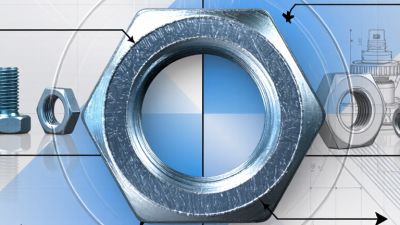
China offers a broad range of weld nuts for automotive, appliances, machinery, and sheet-metal assemblies. Common choices include hexagon weld nuts, square weld nuts, round-base weld nuts, flange weld nuts, and T-shaped nuts. Projection weld nuts use small welded projections, creating stable contact points during resistance welding. Floating weld nuts add limited movement, helping correct minor hole misalignment. Blind and one-side weld nuts suit assemblies where the rear surface is difficult to reach.
Selection should follow the joint design, not only the catalog name. ISO 21670 covers hexagon weld nuts with flanges, while DIN 929 remains a common reference for hexagon weld nuts. Grand View Research valued the global fasteners market at about USD 90.6 billion in 2023, showing the scale of demand for reliable joining components. China’s automobile industry produced over 30 million vehicles in 2023, according to data from the China Association of Automobile Manufacturers. That volume supports strong local demand for weldable fastening parts.
In practical sourcing, inspect thread gauges, projection height, base flatness, and weld consistency. Material options often include low-carbon steel and stainless steel, with coatings selected for corrosion conditions. Yet catalog descriptions can be confusing. I would request samples and run a real weld trial. No drawing can fully predict heat distortion, spatter, or nut rotation. That step is easy to skip. It should not be.
| Weld Nut Type | Typical Shape / Feature | Common Thread Range | Common Materials | Typical Applications | Relevant Standards or Specifications |
|---|---|---|---|---|---|
| Projection Weld Nut | Weld projections concentrate current and support resistance welding. | M3–M12; #6–1/2 in. in inch-thread versions | Low-carbon steel, stainless steel | Automotive panels, sheet-metal assemblies, appliance housings | DIN 929; ISO 21670; customer drawings |
| Square Weld Nut | Square body provides a broad welding surface and helps resist rotation. | M4–M16; common inch sizes available | Low-carbon steel, stainless steel | Frames, brackets, chassis parts, general fabrication | DIN 928; ISO metric or ASME inch thread requirements |
| Hexagonal Weld Nut | Hexagonal body offers good torque resistance after welding. | M3–M16; #6–5/8 in. commonly specified | Low-carbon steel, stainless steel | Industrial equipment, vehicle components, metal cabinets | DIN 929; ISO 21670; specified mechanical-property requirements |
| Round-Base Weld Nut | Circular base distributes welding load over a compact area. | M4–M12; custom sizes by drawing | Low-carbon steel, stainless steel | Thin sheet metal, brackets, electrical enclosures | Manufacturer drawing; ISO metric thread tolerances |
| T-Weld Nut | T-shaped profile with a flange or legs for positioning and welding. | M4–M12; inch sizes also available | Low-carbon steel, stainless steel | Furniture hardware, frames, tubular and formed sections | Application-specific drawing; metric or unified thread standards |
| Flange Weld Nut | Extended flange increases bearing area and improves load distribution. | M4–M16; custom thread sizes available | Low-carbon steel, stainless steel | Automotive structures, machinery, heavy sheet-metal parts | Drawing-controlled dimensions; ISO 898-2 property classes where applicable |
| Flush Weld Nut | Designed to sit close to or flush with the sheet surface after installation. | M4–M10; custom sizes by application | Low-carbon steel, stainless steel | Low-clearance assemblies, covers, panels, enclosures | Application-specific drawing and welding procedure |
| Floating Weld Nut | Captive nut allows limited lateral movement to compensate for hole misalignment. | M4–M12; common automotive thread sizes | Low-carbon steel, stainless steel | Automotive trim, access panels, equipment covers | Manufacturer drawing; specified float and retention requirements |
| Self-Clinching Weld-Ready Nut | Press-installed captive nut for sheet metal; selected when welding is unsuitable. | M2.5–M10; #2–3/8 in. common | Carbon steel, stainless steel | Electronics, control cabinets, precision sheet-metal assemblies | Manufacturer installation specifications; not a resistance-welded nut |
Note: Thread ranges and material options are typical industry offerings in China. Exact dimensions, welding projections, surface finish, strength grade, tolerances, and inspection requirements should be confirmed against the applicable standard or approved technical drawing.
Weld nut manufacturing begins with suitable low-carbon or stainless steel strip, selected according to strength, corrosion exposure, and welding conditions. The material is cut into blanks, then formed through precision stamping or cold heading. This creates the nut body and welding projections. Thread tapping follows after forming, because clean threads are essential for reliable assembly. Edges are removed carefully. Sharp burrs can damage mating bolts or reduce contact during welding.
Heat treatment may be used when higher strength is required, but excessive heat can distort the thread. Surface finishing, such as zinc plating, is controlled to maintain corrosion resistance without blocking the internal thread. Production technicians check dimensions with calibrated gauges. They also inspect projection height, nut flatness, and thread accuracy under suitable lighting. Small variations matter.
Quality testing combines visual inspection with mechanical checks. Go and no-go gauges verify thread fit, while torque testing measures resistance during bolt installation. Push-off and tensile tests evaluate weld strength on representative panels. A nut may look perfect and still fail under load. This is where sampling plans can expose hidden problems. Inspection records should link each batch to its material, tooling, operator, and test results. No inspection system is infallible. Tool wear, plating buildup, or inconsistent welding pressure can create defects between checks. Reviewing failed samples and adjusting process limits helps manufacturers improve reliability rather than simply reject parts.
Weld nuts are typically produced by cold forming or machining, followed by thread forming, projection preparation, surface treatment, and inspection. The chart shows nominal ISO metric coarse thread pitches commonly used for weld nuts. Quality control generally includes visual inspection, dimensional checks, thread go/no-go gauging, and weld-strength testing according to the product drawing or purchasing specification.
The values represent nominal coarse thread pitch in millimetres: the distance between adjacent thread crests. Actual weld-nut dimensions, welding parameters, and acceptance limits depend on the thread size, nut design, base material, and applicable technical specification.
Choosing a reliable Chinese weld nut supplier requires more than comparing prices. A professional supplier should understand thread accuracy, welding strength, material grades, and surface protection. Ask for material certificates, dimensional reports, and batch traceability before placing a large order. Clear drawings matter. Even a small thread error can stop an assembly line.
Request production samples and test them under real working conditions. Check welding stability, torque resistance, zinc coating consistency, and deformation after heat exposure. A capable factory should explain its inspection process, equipment, and acceptable tolerance ranges. Certifications can support credibility, but they should not replace physical verification. A polished website proves very little. Communication speed is useful, though technical answers matter more. Sometimes a low-cost supplier looks attractive, but inconsistent batches may create higher costs later. No supplier is perfect, and your evaluation should record both strengths and weaknesses.
Tips: Confirm the weld nut standard, steel grade, thread size, and monthly capacity. Request a small trial order first. Review inspection records, packaging photos, and shipment protection. Use an independent inspection when the application is safety-sensitive. Do not rely only on promises. A supplier willing to discuss failures openly may be more dependable than one claiming zero defects.
Chinese-made weld nuts are widely used in automotive production, especially in body panels, battery trays, seats, and interior assemblies. OICA reported approximately 93.5 million motor vehicles produced worldwide in 2023. China contributed about 30.2 million units, making it the largest manufacturing base. That volume creates steady demand for repeatable fastening components. The International Energy Agency also reported that China represented more than 60% of global electric car sales in 2023. Electric vehicles require many secured attachment points around battery systems and lightweight panels.
The appliance and electronics industries are another important market. Weld nuts support threaded connections inside refrigerators, washing machines, air conditioners, cabinets, and equipment frames. China’s large export manufacturing network serves both domestic and overseas assembly plants. UN Comtrade data consistently places China among the leading exporters of machinery, electrical equipment, and related manufactured goods. These reports do not measure weld nut consumption directly. They show the scale of the industries that purchase them.
Construction equipment, metal furniture, agricultural machinery, and industrial enclosures also use Chinese-made weld nuts. In practical sourcing, buyers should check thread accuracy, weld strength, coating thickness, and batch traceability. A low unit price means little if a nut spins during installation.
Small parts, large consequences.
Some suppliers provide reliable samples but weaker production control; this remains an issue worth challenging. Factory audits, inspection records, and application testing are more dependable than catalog claims.