Company News

What Are the Best Types of Black Screws in 2026?

Black Screws can look similar on a store shelf, yet their coatings and base materials serve different purposes. Black oxide offers a dark, low-build finish, while black zinc and coated systems may provide different levels of corrosion protection. The right choice depends on the screw’s material, the surrounding environment, and the job—not color alone.

Technical references help separate appearance from performance. ASTM F1941/F1941M covers electrodeposited coatings on mechanical fasteners, and ASTM F2329/F2329M addresses hot-dip zinc coatings. ISO 4042 also specifies requirements for electroplated fastener coatings. These standards provide useful engineering context, but they do not make every black finish equally durable. A screw beside a dry interior cabinet faces different conditions from one exposed to damp air or repeated handling. Small details matter.

Fastener engineer Bill Eccles of Bolt Science emphasizes the importance of correct preload and joint design in fastened connections. Applied here, that guidance is a reminder: a black finish cannot prove that a screw is strong or suitable. Check the substrate, coating specification, drive type, and manufacturer’s corrosion data. Looks are not enough.

This guide compares common Black Screws by finish, typical use, and practical limitations. It also flags where product descriptions can be vague. One caution: coating names alone may not reveal real-world service life. The best choice is not always the darkest—or the cheapest.
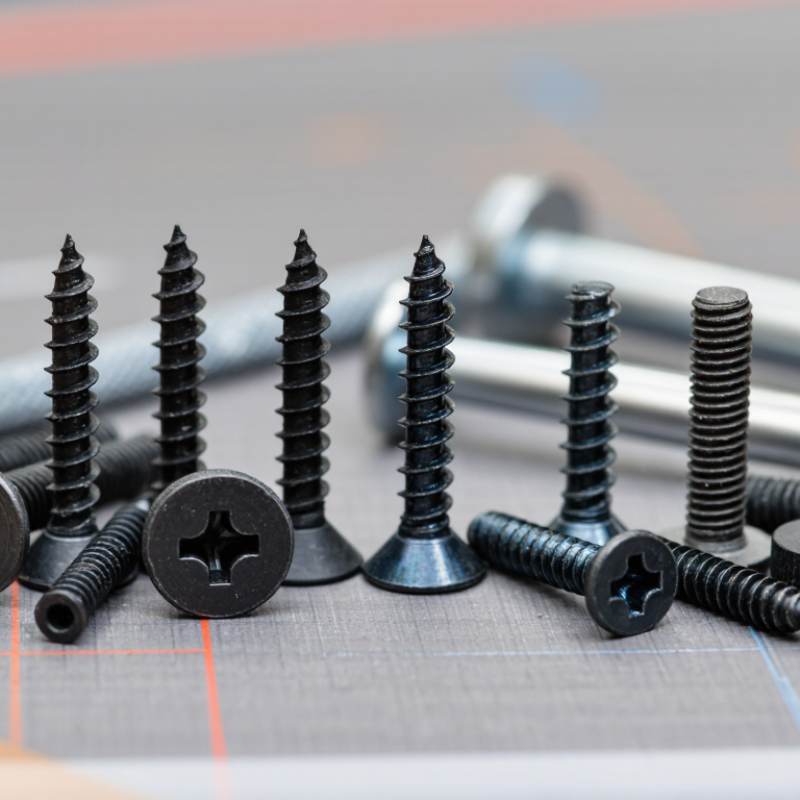
What Are the Best Types of Black Screws in 2026?

What Are Black Screws and How Do Their Coatings Work?

What Are Black Screws and How Do Their Coatings Work?

Black screws get their color from a surface treatment, not from a single material. Black oxide is a thin conversion layer formed on steel. It creates a dark, low-glare finish but offers limited corrosion protection on its own. A light oil or wax is often added to help shield the surface. Black zinc plating adds a zinc layer beneath a dark passivation finish, providing better protection when the coating remains intact.

Other options include phosphate coatings and black paint or polymer finishes. Phosphate helps retain oil and can reduce wear, while painted coatings create a more visible barrier. Each finish has trade-offs. A screw that looks rugged may still rust quickly in damp conditions. Choose based on the material being fastened, expected moisture, and product specifications; appearance alone is not a reliable guide.

Tips: For indoor furniture, black oxide may suit dry, low-moisture settings. For outdoor use, check the stated corrosion rating and installation guidance. Avoid scraping coated heads with an ill-fitting driver. I’ve seen a tiny chip around the slot become the first rusty spot.
Typical Coating Thickness of Black Screw Finishes

Approximate thickness ranges vary by process and specification. Black oxide is a thin conversion coating; phosphate and plated finishes generally add more coating thickness. Thickness alone does not determine corrosion resistance or suitability for an application.

Which Materials and Finishes Are Used for Black Screws?

Black screws are commonly made from carbon steel, alloy steel, or stainless steel. The base metal matters more than the color. Carbon steel offers strength at a practical cost, while stainless steel can resist corrosion better in damp settings. Yet stainless grades vary, and some black finishes can change surface behavior. Check the material specification, not just the product photo. That small detail matters.

Common finishes include black oxide, black phosphate, black zinc, and polymer or powder coatings. Black oxide is thin and often sealed with oil or wax; alone, it offers limited rust protection. Black phosphate has a matte, slightly textured surface and is often used indoors or beneath paint. Black zinc provides a protective coating, while thicker polymer finishes may affect fit in tight holes. There are trade-offs. A black finish is not a corrosion rating. For humid or outdoor use, compare coating test data with the actual conditions, and inspect edges where the finish is damaged. Color can hide wear. It cannot prevent it.

What Are the Main Types of Black Screws Available in 2026?

Black screws are identified by their finish, not by one shared metal or performance level. Black oxide screws have a thin conversion coating that darkens steel but offers limited corrosion protection without oil. Black phosphate screws are common in drywall and interior framing; their matte finish grips compound well, but damp locations can still cause rust. Color is not protection.

Black zinc-plated screws add a sacrificial zinc layer, while black ceramic or polymer coatings can provide a tougher barrier when the product is rated for exterior exposure. Black-coated stainless screws pair a corrosion-resistant base metal with a dark finish, though coating damage may expose bright metal underneath. Check the manufacturer’s stated use, substrate, and coating thickness. ASTM F1941/F1941M covers electrodeposited coatings on threaded fasteners; ASTM F2329/F2329M covers hot-dip galvanizing. These standards help compare specifications, not guarantee service life. The NACE IMPACT study estimated global corrosion costs at US$2.5 trillion annually, or 3.4% of global GDP. That figure covers many industries, not screws alone, but it shows why finish choice matters. I would not treat a brief salt-spray result as a direct forecast of years outdoors.

What Are the Best Types of Black Screws in 2026? - What Are the Main Types of Black Screws Available in 2026?

Black Screw Type Typical Base Material and Finish Corrosion Resistance Common Applications Selection Notes
Black oxide steel screws Steel with a black oxide conversion coating, often supplied with an oil or wax treatment. Low without supplemental protection; the finish is mainly decorative and can provide limited protection when oiled. Indoor machinery, tools, furniture, and assemblies where a dark, low-glare appearance is wanted. Use in dry conditions. Check the product specification for any oil treatment and corrosion testing.
Black phosphate screws Usually hardened steel with a black phosphate conversion coating. Limited on its own; phosphate coatings are not a substitute for a weather-resistant coating. Interior drywall fastening and other dry, indoor construction applications. Keep away from persistent moisture and exterior exposure unless the screw is specifically rated for those conditions.
Black zinc-plated screws Steel with an electroplated zinc layer and a black conversion finish or topcoat. Generally better than plain black oxide or phosphate, but performance varies with coating thickness and specification. Indoor hardware, fixtures, and light-duty assemblies where a black finish and some added protection are needed. The coating can be damaged during installation. Confirm suitability for outdoor or damp locations rather than relying on color alone.
Black-coated stainless steel screws Stainless steel with a black surface treatment, such as a specified PVD or other engineered coating. The stainless substrate offers corrosion resistance, but the result depends on the stainless grade, coating, and exposure. Visible trim, fittings, and selected outdoor or humid environments where both a dark appearance and stainless substrate are desired. Check the stainless grade and coating durability. Stainless steel is not immune to corrosion, especially in chloride-rich environments.
Black ceramic-coated screws Typically steel with a black ceramic-based protective coating; construction-grade products may be designed for exterior use. Can be suitable for exterior service when the complete product is rated for it; performance depends on the coating system and test data. Decking, fencing, and exterior wood fastening when the screw’s rating matches the project conditions. Verify exterior suitability and compatibility with treated lumber. Coating damage or incompatible metals can affect service life.
Black-painted or epoxy-coated screws Steel with a black paint, powder, or epoxy-based topcoat; some products include an underlying corrosion-protective layer. Varies widely; an intact coating can shield the substrate, while chips and scratches may expose the steel. Decorative fittings, panels, and applications that need a color-matched head or coated appearance. Choose a coating specified for the exposure and installation method. Avoid damaging the finish with unsuitable tools or overdriving.

Choosing tip: Select a screw by its base material, coating specification, load requirements, and exposure conditions—not by black color alone. For outdoor, marine, or chemically exposed installations, follow the fastener manufacturer’s stated ratings and the project requirements.

How Do You Choose the Right Black Screw for Each Application?

Choosing a black screw starts with the material it must hold, not its color. For wood, coarse threads usually grip well; for thin sheet metal, use a screw designed to form or cut threads in metal. Machine screws need a matching threaded hole or nut. Drywall screws are made for drywall and framing, not for every load-bearing connection. Color is not protection.

Next, match the finish to the environment. Black oxide gives a dark, low-glare surface, but typically offers limited corrosion resistance unless protected with oil or another coating. Black phosphate is common for indoor applications, while black-coated stainless steel may suit damp locations if its coating and rating fit the exposure. Check the product specifications; “black” alone tells you little. Outdoors, moisture can find a scratch.

Then consider head shape, drive type, length, and load. A countersunk head sits flush in a prepared recess; a pan head stays raised. Choose a screw long enough to engage the supporting material without risking hidden wiring or pipes. In dense wood, a pilot hole can reduce splitting. I’d test an unfamiliar finish on a spare piece first: coatings can mark easily, and that detail is easy to miss.

Which Black Screw Types Perform Best Indoors and Outdoors?

What Are the Best Types of Black Screws in 2026?

Indoors, black phosphate screws are common for drywall and other dry, sheltered applications. Their dark finish blends neatly with black hardware, but it offers limited protection from moisture. Black oxide screws suit indoor furniture and fittings when appearance matters more than corrosion resistance. Dry rooms are different. For cabinets or exposed fixtures, choose a screw whose material and load rating match the job, not just its color.

Outdoors, look for black screws with a coating specifically rated for exterior exposure. Coated carbon-steel screws can work well on decks or fences, but performance varies with the coating and local conditions. Stainless-steel screws with a black finish may resist corrosion better in damp settings, though the finish itself can scratch. Check compatibility with pressure-treated wood, which can speed corrosion in unsuitable fasteners. Salt air and standing water call for extra caution. “Black” describes appearance, not protection.

Tips: Read the manufacturer’s corrosion and application details before buying. Check the screw head and shank for coating damage, especially after driving. Use a pilot hole near board edges to reduce splitting. If a screw will be exposed to rain, do not assume an indoor black finish is enough.