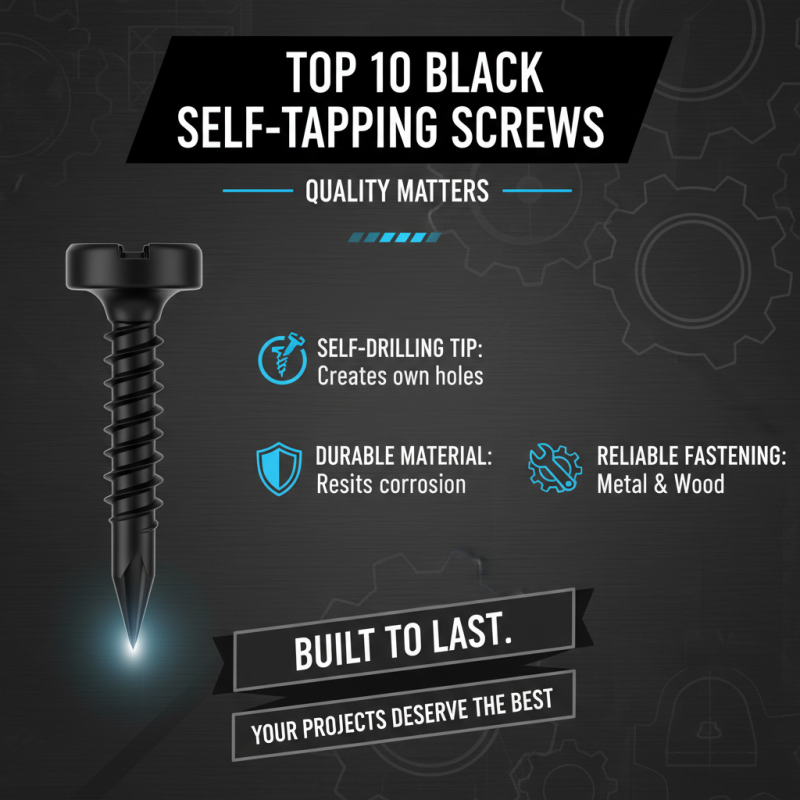
Top 10 Black Self Tapping Screws for Your Projects?
When it comes to construction and DIY projects, choosing the right fasteners is crucial. Black Self Tapping Screws have become a favorite for many. Their ability to create their own holes makes them incredibly convenient. You won't need to pre-drill the material, saving you time and effort.
These screws offer excellent durability and strength. They resist corrosion, making them suitable for various environments. However, not all black self tapping screws are created equal. It's important to select the right type for your specific project. Quality can vary widely, impacting your project's success. Think about factors like material compatibility and screw size.
While Black Self Tapping Screws are beneficial, they do have their drawbacks. Misalignment during driving can lead to damage. They can also strip if too much force is applied. Understanding these nuances will help you make informed choices. Always consider the unique needs of your project.
Overview of Black Self Tapping Screws and Their Applications
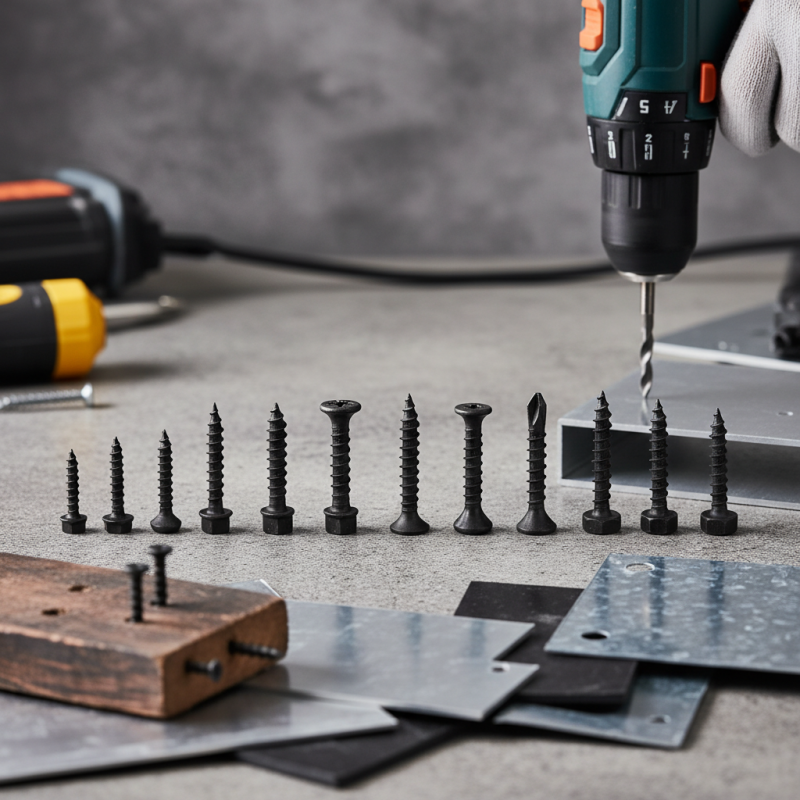
Black self-tapping screws are versatile fasteners widely used in various projects. They work by creating their own threading as they penetrate materials, making them especially useful for metal, wood, and plastic applications. These screws often feature a black oxide coating, enhancing their corrosion resistance and aesthetic appeal.
In construction and automotive industries, black self-tapping screws serve crucial roles. They secure components and provide a sleek finish. However, choosing the right size and type can be challenging. A common mistake is selecting a screw that is too short for the application. This can lead to weak connections and potential project failures, which highlights the importance of careful selection.
Home improvement projects also benefit from these fasteners. They are ideal for installing fixtures or assembling furniture. Yet, improper installation can lead to stripped threads or breakage. It's essential to use the correct drill size and ensure the material can handle the screw. Learning from these challenges can enhance your experience and outcomes in future projects.
Key Features to Consider When Choosing Black Self Tapping Screws
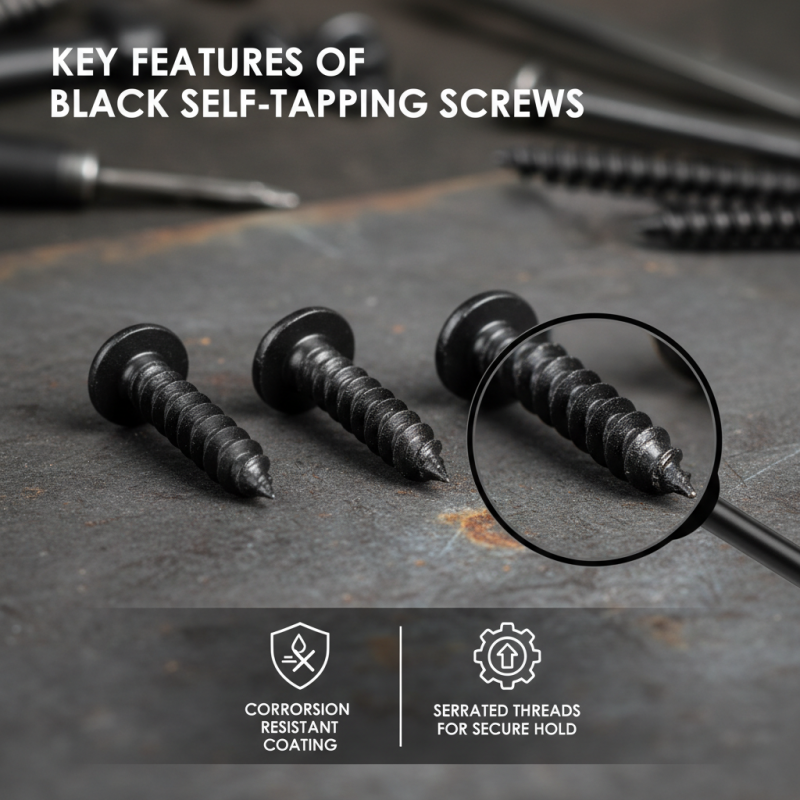
When selecting black self-tapping screws, several features play a critical role in performance and durability. The coating of these screws is essential for corrosion resistance. A high-quality black oxide finish can provide protection against rust and enhance aesthetic appeal. Look for screws with serrated threads. These can grip more effectively in various materials, ensuring a secure hold.
Another vital aspect is the screw head design. Flat heads offer versatility in many applications, while pan heads may provide a better aesthetic finish. Consider the screw length and diameter carefully. These dimensions affect the screw's strength and suitability for specific projects.
When choosing, always check for certifications. This can be a sign of quality and reliability. Conducting a pull-out test can reveal how well the screws hold in your chosen material.
Tips: Stick to reputable suppliers. This helps avoid inferior products that may fail during use. Always test different types to see what works best for your project. Remember, not all screws are created equal.
Top 10 Recommendations for High-Quality Black Self Tapping Screws
When it comes to selecting black self-tapping screws for your projects, quality matters. These screws feature a sharp point that allows them to create their own holes in various materials. This is essential for reliable fastening, especially in metal and wood applications. Look for screws made from robust materials that resist corrosion. This durability ensures that your projects withstand the test of time.
Consider the threading design, as it directly impacts performance. Some screws have fine threads, while others have coarse ones. Fine threads provide better holding power in thin materials, whereas coarse threads work well in thicker components. If you're not sure which to choose, test different types on similar materials to see what works best. Don't forget about the head shape either; flat, pan, or round heads all serve different purposes.
There is always room for improvement and reflection in the selection process. Perhaps you have faced issues with stripping threads or breaking screws in the past. This experience can inform your future choices. Pay attention to the length and gauge of the screws, as these factors can significantly influence the success of your project. It’s often about trial and error, but learning from each attempt will lead to better results.
Comparative Analysis of Material Quality and Durability
When selecting black self-tapping screws, material quality is crucial.
Stainless steel is often favored for its rust resistance and strength. However, it may not always be the best choice for every project. Some projects may require screws made of carbon steel, which can offer superior holding power. Keep in mind that carbon steel screws need proper coating to prevent corrosion.
Durability also varies among different screw types. For outdoor use, select screws with protective finishes. These can significantly extend lifespan and performance. A galvanized or coated screw can resist environmental elements better than an untreated one. Yet, over time, wear and tear may reveal weaknesses in even the best options.
Choosing the right self-tapping screw is not just about cost. Reflect on the specific demands of your project. Do your research before making a choice. It's essential to weigh everyday performance against long-term reliability. Consider consulting experts or reliable sources. Quality over convenience can save headaches in the long run.
Tips for Proper Installation and Usage of Self Tapping Screws
When using self tapping screws, proper installation is crucial. Ensure you choose the right size and gauge for your materials. This can prevent issues during drilling. Always pre-drill pilot holes in harder materials. This step can enhance accuracy and reduce the risk of cracking.
One effective tip is to keep the screws well lubricated. This minimizes friction when driving them into the material. A little wax or soap can work wonders here. It also improves the screw's ability to penetrate surfaces smoothly.
Pay attention to your power tool settings. Too high a torque can strip screw heads. Too low might not drive them in fully. Find a balance through practice and adjustment. Remember, installation is not always straightforward. Mistakes happen, and sometimes, screws cannot hold as expected. Reflect on what went wrong to improve future projects. Adjustments might be needed based on the type of material used.
Top 10 Black Self Tapping Screws for Your Projects
This bar chart illustrates the quantity of various sizes of black self tapping screws available commonly in packs. It's essential to select the right size based on your specific project needs for optimal performance.