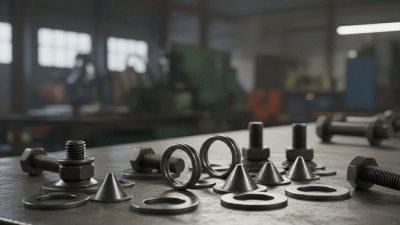
Industrial buyers rarely notice an elevator bolt until a bucket loosens, a belt slips, or maintenance stops production. Elevator Bolts secure buckets to conveyor belts, so head shape, shank length, material, and fit all matter. A low-profile head can reduce interference with conveyed material. The correct shank length should grip the belt and bucket without leaving excess thread exposed. Small parts matter.
Grand View Research estimated the global conveyor belt market at US$6.9 billion in 2023 and forecast a 4.5% compound annual growth rate through 2030. This market estimate describes the wider conveyor industry, not elevator-bolt sales. Still, it points to the scale of equipment where dependable fasteners support routine operation. A forecast is not a guarantee.
This guide compares 10 Elevator Bolts for industrial buyers, with attention to dimensions, steel grade, finish, and application. A bolt that works well in a dry grain elevator may not suit a damp, abrasive plant. Buyers should verify belt thickness, bucket-hole size, operating conditions, and manufacturer specifications before ordering. Price matters, but so do installation time and replacement access. No single bolt is best for every line. Real-world wear can also differ from catalog claims, so inspect samples and review maintenance records where possible.
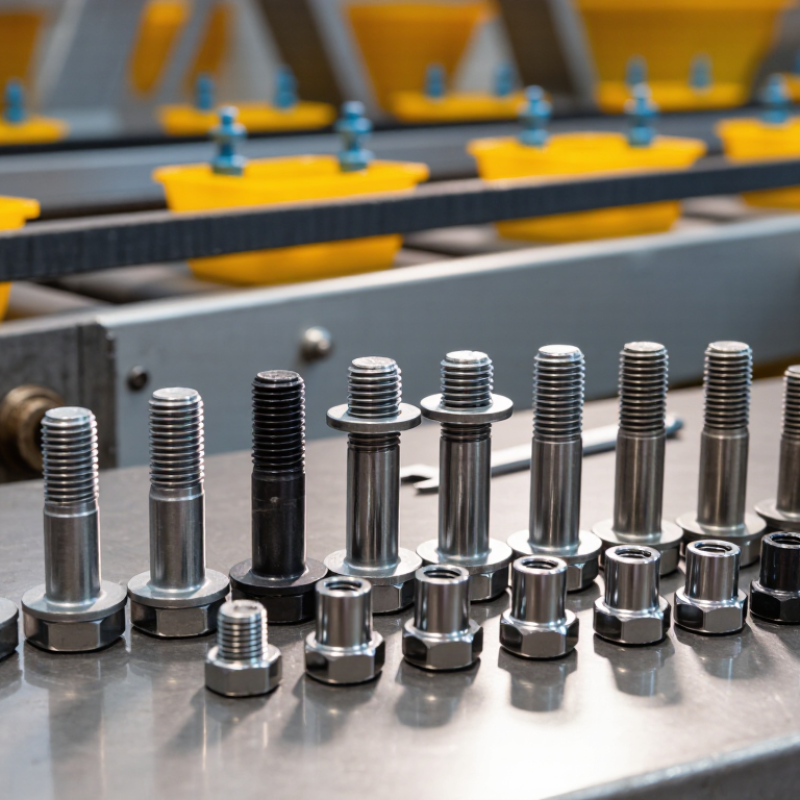
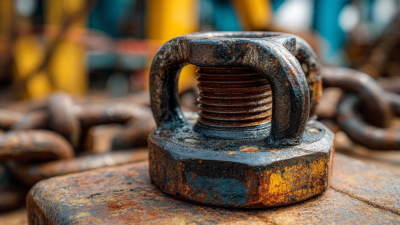
An elevator bolt has a broad, low-profile head and a square neck beneath it. The head spreads contact across a belt or bucket surface, while the neck helps resist rotation during tightening. A threaded shank passes through the materials and accepts a nut on the opposite side. These parts are simple, but their fit matters.
In bucket elevators, bolts commonly secure buckets to conveyor belts. The smooth head sits against the material-handling side, reducing snag points as grain, pellets, or other bulk materials move past. Head diameter, shank length, thread size, and material all affect suitability. A bolt that is too long may interfere with nearby parts; one that is too short may leave inadequate thread engagement. Small details matter.
Industrial buyers should match the bolt to the belt thickness, bucket holes, operating environment, and maintenance plan. Corrosive moisture may call for a different material than a dry indoor installation. Check the equipment drawings and specified tightening guidance rather than relying on appearance alone. In practice, access for inspection can be awkward, and replacement intervals are not always predictable. That uncertainty deserves attention during selection.
Elevator bolts work under belt tension, vibration, and repeated contact with pulleys. Start with shank diameter, length, head diameter, and square-neck dimensions. The neck must seat cleanly in the belt hole; a loose fit can let the bolt spin during installation. Check head profile too. A low, broad head spreads contact across the belt surface, but an oversized head may interfere with nearby parts. Fit matters here.
Material strength needs a defined grade, not just “steel.” ASTM A307 specifies a minimum tensile strength of 60,000 psi for Grade A bolts. For comparison, ISO 898-1:2013 sets an 800 MPa minimum tensile strength for property class 8.8 fasteners. These figures apply to their stated classes, not every elevator bolt. Confirm the supplier’s material and test documentation before comparing quotes.
For corrosive or damp service, specify the coating and verify its thickness; coating buildup can affect fit. Also define the load, belt thickness, and operating environment. A strength number alone cannot predict service life.
I would still measure a sample. Small dimensional differences can cause trouble.
10 Best Elevator Bolts for Industrial Buyers?
How to Choose Elevator Bolts for Different Operating Conditions
Choosing elevator bolts starts with the belt and bucket, not a strength rating alone. Check belt thickness, bucket-hole diameter, and the required bolt-head profile. A low-profile head can reduce snagging, while a suitable bearing surface helps spread pressure across the belt. For heavy or abrasive loads, verify the bolt’s material grade and dimensions against equipment specifications. Fit matters.
Moisture, dust, and temperature change the choice. In damp areas, consider corrosion-resistant material or a compatible protective finish. Confirm that the finish suits the surrounding equipment and process. For hot service, check the fastener’s stated temperature limits; coatings and belt materials may respond differently. Abrasive grain can wear exposed hardware faster than a clean, dry line. Real service conditions are rarely neat.
Tips: Measure the belt and bucket holes before ordering. Check clearance behind the belt, then tighten to the equipment maker’s torque guidance. Reinspect after initial operation for looseness, belt damage, or a shifting bucket. Keep a record of wear and replacement intervals. It is easy to blame a bolt when alignment is the real problem, so inspect both. A small uncertainty remains: old equipment may have been modified, making measurements more useful than assumptions.
Industrial buyers should judge elevator bolts by the job they must perform, not by appearance alone. A useful shortlist includes standard flat-head bolts, low-profile designs, square-neck styles, high-strength steel, stainless steel, galvanized finishes, corrosion-resistant alloys, coarse-thread options, fine-thread options, and bolts matched to a specific belt system. These are selection categories, not interchangeable products.
Fit comes first. Check the bucket holes, belt thickness, pulley clearance, and bolt length against the equipment drawing. A head that sits poorly can catch or wear; a shank that is too long may interfere with nearby components. For dusty or damp sites, compare coating and base material, since a protective finish can wear at contact points. Confirm load and tensile requirements from reliable technical data. Do not assume that a heavier-looking bolt is automatically stronger.
Small details matter. During inspection, look for loose fasteners, damaged threads, cracked buckets, and belt wear around each hole. Replace components that no longer seat securely, and follow the conveyor maker’s installation guidance for tightening. No shortlist is perfect; operating speed, material flow, and maintenance access change the choice. Buyers sometimes focus only on unit price. That can be a costly miss. A clear specification helps procurement compare equivalent bolts, though field conditions may still reveal gaps worth reviewing.
For industrial buyers, elevator-bolt reliability depends on fit and installation, not appearance alone. Match bolt diameter, length, head style, and material to the belt, bucket, and operating environment. Confirm the specified head orientation and square-neck engagement before tightening. Misalignment can damage belt holes. Use the equipment maker’s torque guidance and a calibrated wrench; excessive force may crush the belt or distort a bucket. Fit matters. Keep mating surfaces clean, and check that each head sits evenly against the belt. In dusty or damp service, material compatibility deserves extra attention.
Inspect fasteners during planned maintenance, with the equipment isolated and verified safe to access. Look for loose nuts, polished movement marks, corrosion, elongated holes, cracked buckets, and belt-edge damage. A quick glance can miss wear behind a bucket, so inspect accessible faces from more than one angle. Record the location and condition of defects; maintenance notes are sometimes incomplete, but even a simple dated record helps reveal recurring failures. Replace a bolt when its shank, threads, or head is worn, rather than tightening it indefinitely. If a hole has stretched or the belt is torn, replacing the fastener alone will not restore a sound connection. Select a compatible replacement and check neighboring hardware before restarting the elevator.
Use the hole diameter as a fit-planning reference when selecting metric fasteners. Confirm the applicable standard and equipment requirements before drilling or replacing bolts.
Values shown are normal-series clearance-hole diameters from ISO 273: M6 6.6 mm, M8 9 mm, M10 11 mm, M12 13.5 mm, M16 17.5 mm, and M20 22 mm. Inspect installed fasteners for looseness, wear, corrosion, and damage; replace defective hardware with a compatible specification.