
Company News

2026 Best Snap Fasteners Suppliers for Global Buyers

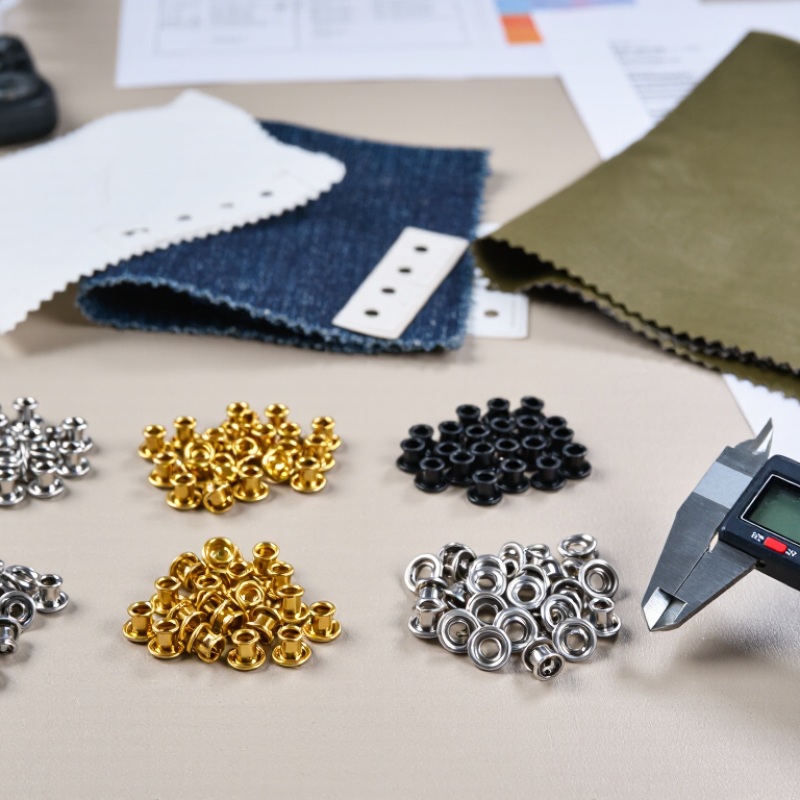
Snap Fasteners look small on a garment, yet a weak spring or rough edge can cause returns, repairs, and unhappy customers. For global buyers, choosing a supplier means checking more than unit price. Metal composition, coating consistency, die compatibility, packaging, and lead-time reliability all deserve attention. Small details matter.

The market operates within a much larger materials supply chain. Textile Exchange’s Materials Market Report 2024 estimates global fiber production reached 124 million tonnes in 2023, with further growth projected by 2030. The report does not measure snap demand, but it illustrates the scale of the apparel ecosystem these components serve. UNCTAD’s Review of Maritime Transport 2024 reports that more than 80% of world merchandise trade by volume travels by sea. Shipping delays can therefore affect even a carefully planned fastener order.

This 2026 supplier guide focuses on practical checks buyers can make: request samples, compare finish and closing force, confirm production tolerances, and ask how defects are handled. Test snaps on the actual fabric. A sample may perform well on a thin swatch but fail on layered denim or a coated jacket panel. Certifications and inspection records help, but they are not guarantees; buyers should verify that documents cover the relevant product and facility. A lower quote can be tempting. It may also hide costs in rework, inconsistent batches, or missed delivery windows. The suppliers below are presented as candidates for comparison, not as a universal ranking.
2026 Best Snap Fasteners Suppliers for Global Buyers

2026 Snap Fastener Supplier Landscape: Product Types, Uses, and Supply Regions

2026 Best Snap Fasteners Suppliers for Global Buyers

Snap fasteners come in several forms, including sew-on, prong, spring, and press-stud designs. Their materials range from brass and stainless steel to coated alloys and molded plastic. Each choice affects grip, corrosion resistance, weight, and appearance. A small prong fastener may suit a cotton shirt, while a stronger spring snap can work better on a canvas bag. For outdoor clothing, buyers should check how finishes hold up to moisture and repeated use.

Supplier regions often specialize in different parts of the supply chain. East Asian manufacturers commonly offer broad product ranges and high-volume production. European suppliers may focus on technical specifications, consistent finishing, or smaller production runs. North American sources can be useful when shorter shipping routes or regional stock matter. These are broad patterns, not guarantees. Ask each supplier for material details, dimensional drawings, sample pieces, and production tolerances. A shiny finish alone proves little.

Tips: Test snaps on the actual fabric, not just a sample card. Check opening force after repeated use. Request corrosion-test information when relevant, and confirm packaging and lead times in writing. One detail is easy to overlook: installation tools must match the fastener design.

2026 Best Snap Fasteners Suppliers for Global Buyers - 2026 Snap Fastener Supplier Landscape: Product Types, Uses, and Supply Regions

Supplier landscape overview by product category and sourcing region. Regions indicate established manufacturing and export bases, not a supplier ranking; availability, specifications, and compliance vary by manufacturer.

Product type Common materials Typical uses Attachment / closure method Common supply regions Buyer checks
Sew-on snap fasteners Brass, stainless steel, plated steel, and plastic Shirts, babywear, lightweight garments, and craft projects Each half has sewing holes and is stitched to the fabric East Asia, South Asia, Europe, and North America Hole layout, sew-through clearance, corrosion resistance, and opening force
Prong / ring-spring snaps Brass, steel, stainless steel, and copper alloys Denim, jackets, workwear, bags, and accessories Prongs pass through the material and are secured with a matching socket or stud East Asia and South Asia; also available from European and North American suppliers Fabric thickness range, prong length, setting-tool compatibility, and pull-off strength
Cap-and-socket press fasteners Brass, stainless steel, plated steel, and aluminum Outerwear, uniforms, canvas goods, and leather accessories Installed with a press and dies matched to the fastener size and material East Asia, South Asia, and Europe Cap diameter, base-metal specification, finish, setting process, and corrosion test requirements
Screw-post / stud fasteners Brass, stainless steel, and plated steel Leather goods, belts, footwear, cases, and heavier accessories Post and screw clamp material layers together; some designs are removable East Asia, South Asia, Europe, and North America Post length, thread fit, material thickness, load requirements, and resistance to loosening
Plastic snap fasteners Polyacetal (POM), nylon, and other application-suitable thermoplastics Babywear, rainwear, sportswear, outdoor products, and washable textiles Sewn on or mechanically set, depending on the design East Asia, South Asia, Europe, and North America Resin type, temperature range, laundering performance, color consistency, and setting method
Magnetic snap closures Permanent magnets with steel, brass, or other metal housings Handbags, wallets, pouches, and some garment closures Typically attached through folded tabs or mounting plates East Asia, South Asia, Europe, and North America Magnetic holding force, enclosure finish, installation space, and suitability near sensitive devices

Procurement note: Confirm samples, dimensional drawings, material and finish specifications, production tolerances, packaging, minimum order quantity, lead time, and applicable chemical or product-safety requirements before placing a bulk order.
Match the Four Components—Cap, Socket, Stud, and Post—to Buyer Requirements

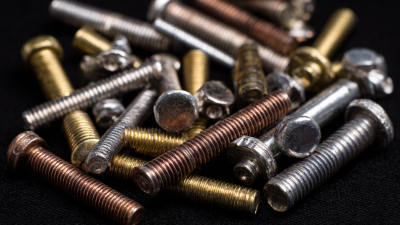
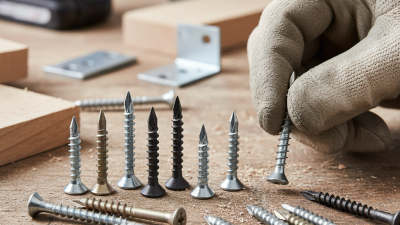
A snap fastener is only as dependable as the fit between its four parts: cap, socket, stud, and post. The cap provides the finished face, while the socket engages the stud and helps determine opening force. The post anchors the assembly through fabric, leather, or another specified material. Small details matter.

When requesting quotes, share material thickness, intended use, and expected opening frequency. A short post may not clinch securely; an overly long one can leave a loose, uneven joint. Ask suppliers to confirm cap diameter, socket depth, post length, finish, and compatible setting dies. Request samples using your actual fabric, not a substitute. Test repeated opening and closing, then check pull strength across several pieces. One sample is not proof.

Global buyers can compare inspection records, packaging protection, production consistency, and lead times alongside unit price. Clarify acceptable variation and how defects are handled before approving a bulk run. A stronger grip can make opening harder. A decorative finish may wear at contact points. Even a careful specification can miss a real-use detail, so revise it when field feedback reveals a problem.

Compare Brass, Stainless Steel, and Zinc-Alloy Fasteners by Application

Brass snap fasteners suit garments, bags, and upholstery where a warm finish and smooth feel matter. Brass resists corrosion in ordinary indoor use, but it can tarnish and may deform under repeated force. Zinc-alloy snaps are often chosen for detailed shapes and decorative finishes. They can work well on lightweight accessories, though coating wear may expose the base metal. Test the actual finish against sweat, washing, and abrasion.

Stainless steel is a strong option for outdoor gear, marine-adjacent use, and frequent laundering. Grade and environment matter: chloride exposure can still cause corrosion, so confirm the alloy and test conditions. The World Stainless Association reported 58.4 million tonnes of stainless-steel production in 2023. That signals broad material supply, not fastener-specific availability or performance. A useful reminder. Ask suppliers for material specifications, finish details, and cycle-test results before comparing prices.

Tips: Match the metal to the fabric and exposure. Test snaps on the finished product, not a loose sample; thin fabric can tear even when the fastener holds.

Verify ASTM D4846 Unfastening-Force Results and ISO 9227 Corrosion Tests

For global snap fastener sourcing, request complete test reports, not a single pass statement. ASTM D4846 results should identify the tested fastener, specimen setup, conditioning, and measured unfastening force. Ask whether the fastener was installed on a representative fabric or test fixture. Substrate thickness and installation pressure can change the result. Small details matter.

Compare results across multiple specimens and production lots. Check the reported force range, not just the average, and confirm the units and test method revision. A supplier should explain how the samples were selected and whether testing was performed by an independent laboratory. If the report omits these details, request clarification before comparing suppliers. Paperwork can look neat while leaving important gaps.

For corrosion resistance, ISO 9227 reports should specify the test type, exposure duration, sample preparation, and evaluation criteria. Salt-spray hours alone do not predict service life. Inspect whether corrosion appeared on the fastener, its coating, or the cut edges, and ask for clear photographs. Match the test conditions to the product’s intended environment. A coastal garment and an indoor bag do not face the same exposure. Even good laboratory results need cautious interpretation.

2026 Best Snap Fasteners Suppliers for Global Buyers — Verify ASTM D4846 Unfastening-Force Results and ISO 9227 Corrosion Tests

Nominal chamber temperatures for ISO 9227 salt-spray test methods

ISO 9227 specifies nominal chamber temperatures of 35°C for NSS and AASS tests and 50°C for CASS tests. Test duration and acceptance criteria depend on the applicable product specification; ISO 9227 does not set one universal pass limit. ASTM D4846 unfastening-force results should be verified from the supplier’s test report, including measured force and test details.

Screen Global Suppliers by MOQ, Lead Time, Traceability, and Compliance

For global buyers sourcing snap fasteners in 2026, compare suppliers using more than unit price. Ask for the minimum order quantity by size, finish, and material. A low MOQ can help with a trial, but confirm whether mixed specifications count as one order. Request a written lead-time estimate that separates sampling, production, and shipping. “Ready in four weeks” means little if the sample approval stage is excluded.

Traceability matters when a fastener fails in use. Ask whether production lots link to material certificates, inspection results, and shipment records. For example, a carton label should connect to a batch number you can verify in the supplier’s documents. Check compliance evidence against your product’s destination and use; request relevant test reports and confirm their dates and scope. Documents need context.

Tips: Send the same inquiry sheet to each supplier. Include target quantities, snap diameter, base material, finish, packaging, and delivery location. Compare actual replies, not just promises. Ask how shortages or late shipments are reported. Small details matter. A supplier’s scorecard is useful, but it can hide changing capacity or vague recordkeeping. Recheck key evidence before placing a larger order.