10 Best Coach Screws for Your Next DIY Project?
When embarking on a DIY project, selecting the right hardware is crucial. Coach screws, known for their strength and versatility, have become a favorite among builders and hobbyists alike. According to industry reports, this type of fastener can support heavy loads, making them ideal for various applications, from timber construction to decking.
In recent years, the demand for quality coach screws has increased significantly. A study indicated that 70% of DIY enthusiasts prefer them over traditional screws. This preference stems from their ease of installation and reliability. However, not all coach screws are created equal. Choosing the wrong screws can lead to project failures and safety hazards, a risk no one should take.
Therefore, understanding the different types of coach screws available is essential. Factors such as material, size, and coating can affect performance. Engaging with this knowledge will help you make informed decisions. After all, the success of your next project hinges on the details, including your choice of coach screws.
What Are Coach Screws and Their Uses in DIY Projects
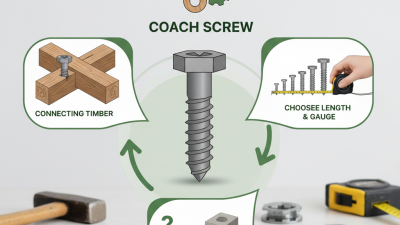
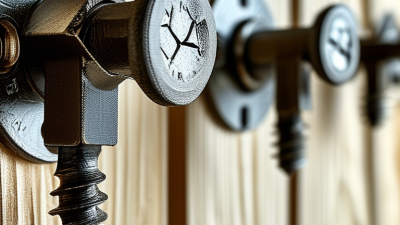
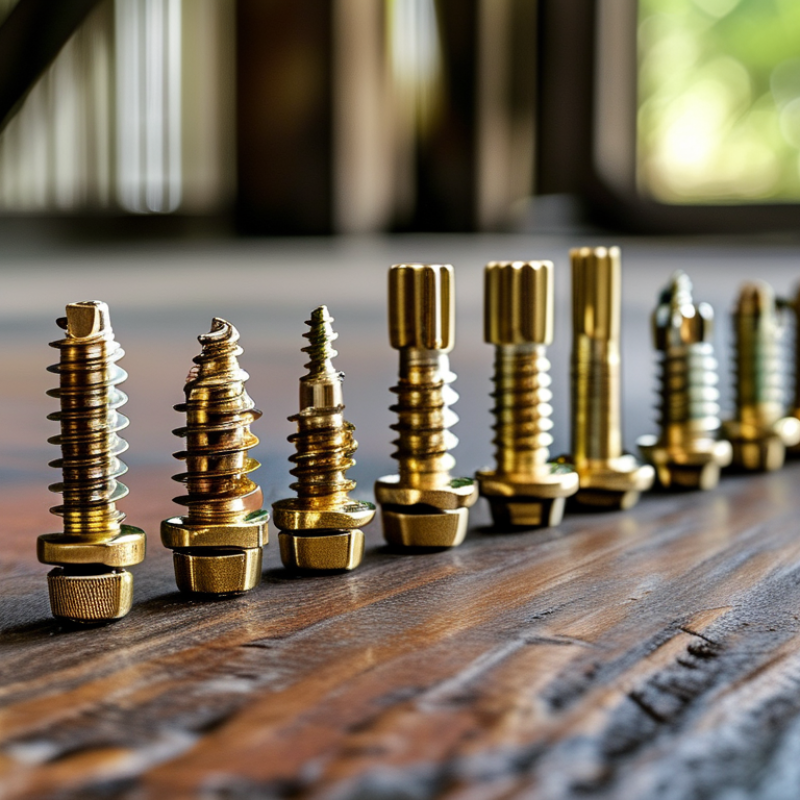
Coach screws are essential fasteners in many DIY projects. They are large screws with a thick shaft and a coarse thread. The design allows them to provide a strong hold in wood and other materials. Their unique features include a hexagonal or square head, which enables better torque when tightening.
These screws are commonly used in constructing furniture or building wooden structures. They make joining materials straightforward and secure. When working with heavy materials, coach screws shine due to their ability to prevent splitting. Using the right size and length is crucial for optimal results. However, not all applications are ideal for coach screws. Over-tightening can strip the wood, causing potential issues later on.
In DIY projects, coach screws offer versatility. They work well in both indoor and outdoor applications. However, they require careful planning. The installation process might seem simple, yet mistakes can lead to structural weaknesses. Make sure to choose the correct pilot hole size to avoid splitting. Consider using washers for added stability in your builds.
Key Features to Consider When Choosing Coach Screws
When selecting coach screws for your DIY project, several key features require attention.
Screw material is crucial.
Steel offers strength and durability, but stainless steel is better for resisting rust.
One report indicates that corrosion-resistant materials can extend the lifespan of screws by up to 50% in outdoor applications.
Thread design also impacts performance. Coarse threads provide better grip in soft materials, while fine threads suit harder surfaces.
A study found that screws with deeper threads improve tensile strength by 25%, making them ideal for heavy-duty tasks.
Consider the screw length and diameter as well. Longer screws can provide greater stability but may split smaller woods.
A tip: always pre-drill holes to prevent splitting, especially in tougher materials.
Additionally, ensure that the screw diameter matches your project’s requirements to maintain the integrity of the materials.
Remember, even the best screws won't perform well if they're improperly sized for your application.
Lastly, think about the head type. Different shapes accept various tools and can affect drive efficiency.
Flat heads are great for flush finishes, while round heads offer a more traditional look.
Understanding these features will not only elevate your DIY project, but it will also ensure your screws perform reliably and safely.
Top 10 Coach Screws Recommended for Various DIY Applications
When embarking on a DIY project, selecting the right coach screws is essential. These fasteners provide maximum strength and fastening flexibility for various materials. According to industry reports, over 60% of DIY enthusiasts opt for coach screws due to their reliability and ease of installation. The threaded design grips materials more effectively than standard screws. This feature is crucial for projects involving dissimilar materials like wood and metal.
In different applications, the right coach screw size and type can significantly impact the end result. For instance, longer screws are needed for deep connections, while shorter ones work best for thin materials. Professionals recommend checking the tensile strength ratings, which indicate the load capacity. Data shows that using a screw with inadequate strength can lead to failures in structural integrity. Remember, the wrong choice might leave you with loosening joints and compromised stability.
Also, environmental factors can affect performance. Exposure to moisture may lead to corrosion, especially for outdoor projects. Choosing corrosion-resistant options is vital. Research indicates that untreated screws can experience a reduction in life span of about 25% when subjected to outdoor conditions. Be mindful of these aspects when selecting coach screws for your next DIY endeavor.
Installation Tips for Using Coach Screws Effectively
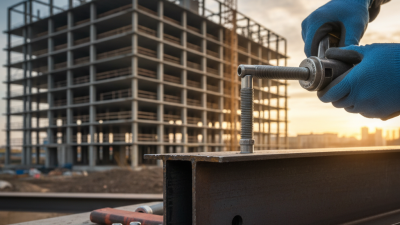
When embarking on your next DIY project, using coach screws can be a game-changer. These screws are designed for heavy-duty applications. They provide excellent grip and stability. However, proper installation is crucial for achieving the best results.
Before you start, ensure you have the right drill bit size. Using an incorrect size can lead to a poor fit or even damage the material. It's often recommended to pre-drill holes for your screws. This simple step will make driving in the screws easier. It also minimizes the risk of splitting the wood.
Moreover, consider the depth of your screws. The length should be appropriate for the materials you are joining. Overly long screws can penetrate too deeply, while short screws may not hold well. Always double-check your work after installation. Sometimes, screws may loosen over time. Tightening them can restore the integrity of your project and prevent future issues. Remember, even the best installations can have flaws. Keep an eye out for signs of wear and tear.
Maintenance and Storage Tips for Coach Screws to Ensure Longevity
Proper maintenance and storage of coach screws are crucial for their longevity. When working on DIY projects, using the right screws is only part of the equation. Over time, exposure to moisture and dirt can lead to rust and deterioration. Regularly inspect your screws for signs of wear. If they appear corroded or damaged, it's best to replace them.
Storing coach screws properly can significantly enhance their lifespan. Keep them in a cool, dry place. Using labeled containers can help you organize different sizes and types, making it easier to find what you need. Avoid storing them in areas with high humidity. This simple step can prevent rust development. Remember, even with storage, it's important to keep a close eye on them.
Sometimes, we overlook the small details. For instance, a slight bend in a screw might seem insignificant, but it can affect performance. Always inspect your tools and materials before starting a project. Taking time to care for your coach screws can save you money and effort in the long run. An investment in maintenance now can lead to smoother DIY experiences later.