Top Dry Wall Screws for 2026 What Buyers Need to Know
When it comes to home improvement, choosing the right materials is essential. Dry Wall Screws are often overlooked but are vital for a successful project. These screws have a unique design, specifically tailored for securing drywall to wooden or metal studs. The right choice not only ensures stability but also affects the overall finish of your walls.
In 2026, buyers face a plethora of options. Each type of Dry Wall Screw has distinct features, impacting durability and ease of use. A lack of knowledge can lead to mistakes, like selecting screws that don’t match your drywall type. This can cause problems down the line, affecting both aesthetics and integrity.
Understanding the nuances of Dry Wall Screws is key for any DIY enthusiast or professional. Quality matters in construction. Investing in high-quality screws can save time and money. As you explore the top options for 2026, remember to consider their specifications carefully. Selecting the right screw might seem trivial, but it plays a crucial role in your project’s success.
Top Dry Wall Screws: Key Innovations for the 2026 Market
In 2026, the drywall screw market is evolving rapidly. Key innovations focus on enhancing strength and reducing installation time. According to a recent industry report, the demand for corrosion-resistant screws is expected to rise by over 40%. This aligns with the growing emphasis on durability and environmental factors in construction.
Recent advancements include specialized coatings that enhance screw performance. These coatings increase resistance to rust and wear, addressing long-term durability concerns. Many contractors have reported that these innovations significantly reduce replacement rates. This shift is pivotal, as over 30% of construction project delays are linked to material failures.
Installing drywall with new screws can be more efficient. For example, self-drilling screws are gaining popularity. They can save time during installations, potentially boosting productivity by 25%. However, there are challenges. Not all products perform consistently, and not all contractors are trained in new techniques. As the market grows, continuous education is essential for optimal use of these innovations.
Understanding Different Types of Dry Wall Screws and Their Applications
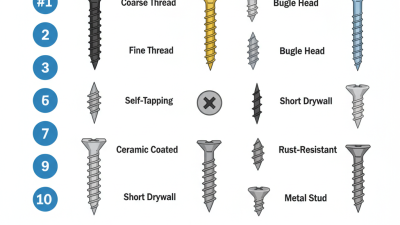
When choosing drywall screws, it's crucial to understand their various types and applications. There are primarily two types: coarse-thread and fine-thread screws. Coarse-thread screws work well with wooden studs, offering strong grip. Fine-thread screws are better suited for metal studs, ensuring a tight hold without damaging the material. Knowing the correct type is vital for a successful installation.
Tip: Always match your screw type with the material used. This simple step can save time and prevent future issues.
Another consideration is the length of the screws. Generally, drywall screws range from 1 inch to 3 inches. A longer screw may be necessary for thicker drywall or if you need to attach it directly to a stud. However, using a too-long screw can lead to damage.
Tip: Test different lengths to find the best fit for your project. Measure carefully and double-check your selections.
In addition to these factors, head types also vary among screws. Bugle heads help distribute pressure evenly, reducing the chance of paper tearing. Regular flat heads may not offer the same benefits. Understanding these details enhances your installation process.
Material Strength: Analyzing the Composition of Dry Wall Screws
When selecting drywall screws, understanding the material strength is crucial. The composition determines their durability and performance. Most screws are made from steel, which offers excellent strength. However, the finish on the screws plays a significant role too. Zinc-coated screws, for instance, resist corrosion better. This feature is vital in humid environments, yet it may not be sufficient in extreme weather.
Another important aspect is the screw design. Self-drilling tips are common, but they can vary in effectiveness. A sharp tip penetrates the drywall easily, saving time during installation. Some users find that screws with coarse threads grip better, providing more stability. However, this might require more effort during the insertion process.
Pay attention to the length of the screws as well. Standard lengths range from 1 to 2.5 inches. A screw that’s too long can damage the structure behind the drywall. Conversely, a screw that’s too short will fail to hold properly. It’s a balance that requires careful consideration based on your project needs. Ultimately, while many factors contribute to the right choice, the composition and design of drywall screws cannot be overlooked.
Dry Wall Screws Material Strength Analysis for 2026
Consumer Preferences: Trends Influencing Dry Wall Screw Selection
When selecting drywall screws in 2026, consumer preferences are evolving. Homeowners and professionals alike are looking for durability and functionality. Screws with rust-resistant coatings appeal to many. These features extend the lifespan of screws in various climates and conditions.
Ease of use also plays a significant role. Many consumers prefer self-drilling screws. They minimize the need for pre-drilling, saving time on projects. Comfort with handling tools shapes choices too. Some users feel uncertain about using power tools. They lean towards screws that can be installed with minimal effort.
Eco-conscious buyers are making their voices heard. There’s a growing demand for screws made from recycled materials. This trend reflects a shift towards sustainability. However, some consumers worry about compromise on strength. Balancing environmental concerns with performance is a challenge. Awareness of such issues is vital for manufacturers. They need to consider these aspects in their product development.
Future Projections: Market Growth and Demand for Dry Wall Screws in 2026
As we look toward 2026, the demand for drywall screws is expected to rise. The construction industry is projected to experience significant growth. Housing developments and commercial projects will drive this demand. Industry experts emphasize the need for quality screws that meet diverse project requirements.
When selecting drywall screws, consider the material. Coated screws offer better resistance to rust. Self-drilling screws can save time during installation. Additionally, the length and gauge should match your application. Familiarity with local building codes can enhance compliance and safety.
Tips for Buyers: Prioritize screws that provide consistent performance. Check reviews and ratings from credible sources. Testing different types on sample materials can identify the best fit. Investing time in research can prevent future issues. Aim for solutions that balance cost and quality effectively. As projects evolve, so should your choices.
Top Dry Wall Screws for 2026: What Buyers Need to Know - Future Projections: Market Growth and Demand for Dry Wall Screws in 2026
| Screw Type |
Material |
Length (inches) |
Head Type |
Drive Type |
Estimated Price ($) |
Projected Market Demand (Units) |
| Standard Drywall Screw |
Steel |
1.25 |
Flat |
Phillips |
5.00 |
150,000 |
| Coated Drywall Screw |
Steel with Coating |
1.5 |
Bugle |
Square |
6.00 |
200,000 |
| Self-Drilling Drywall Screw |
Carbon Steel |
2.0 |
Flat |
Torx |
7.00 |
180,000 |
| Lightweight Drywall Screw |
Aluminum |
1.0 |
Bugle |
Philips |
5.50 |
120,000 |
| High-strength Drywall Screw |
Tempered Steel |
3.0 |
Flat |
Square |
8.00 |
100,000 |