Best Threaded Rivets for Your Global Sourcing Needs?
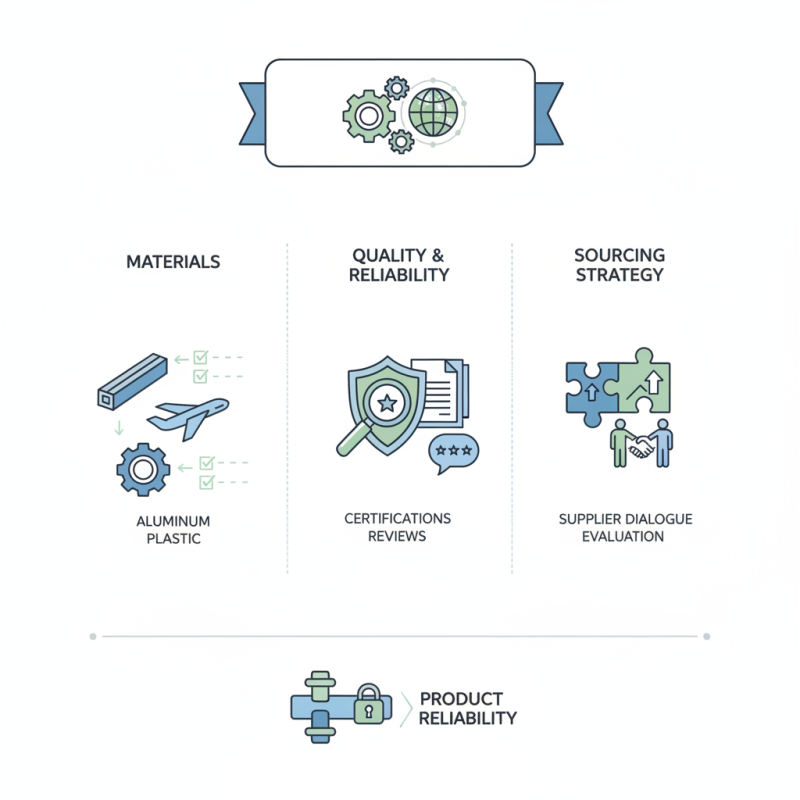
When considering the best threaded rivets for global sourcing needs, various factors must be evaluated. Threaded rivets play a crucial role in ensuring strong, durable connections in diverse applications. Understanding the specifications and qualities of these fasteners can enhance product reliability.
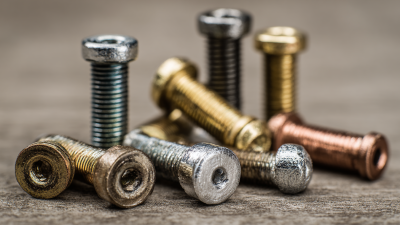
Quality threaded rivets are designed for versatility. They come in various materials, including steel, aluminum, and plastic. Each material offers unique advantages. For example, steel rivets provide strength, while aluminum rivets are lightweight and resistant to corrosion. Sourcing the right type can be challenging.
Many suppliers claim to provide the best products. However, not all live up to their promises. It is vital to assess a supplier’s reputation and past performance. Look for certifications and customer reviews. These indicators can help ensure reliability. Yet, there are often gaps in expectations versus reality. Continuous evaluation and open dialogue with suppliers are essential for improvement in sourcing strategies.
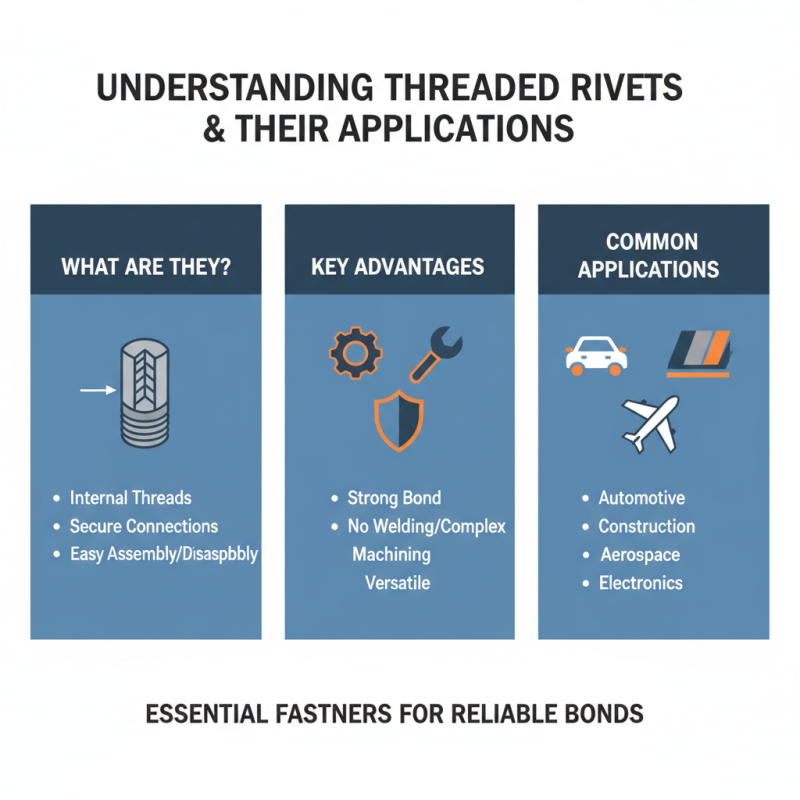
Understanding Threaded Rivets and Their Applications
Threaded rivets are essential fasteners in various industries, known for their secure connections. These rivets feature internal threads that allow for easy assembly and disassembly. Their unique design makes them ideal for materials that require a strong bond without the need for welding or complex machining.
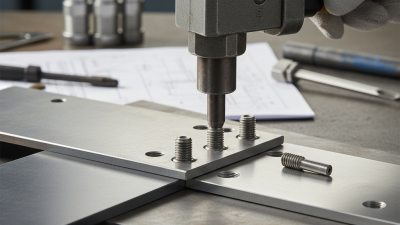
The applications of threaded rivets are diverse. In aerospace, they are used for lightweight structures, providing strength while minimizing weight. In automotive manufacturing, they offer reliability for exterior panels and components. However, improper installation can lead to failure. It is crucial to ensure that the rivet is correctly aligned and secured.
Even with their advantages, potential challenges exist. For instance, choosing the wrong size or material can compromise the integrity of the assembly. Understanding the specific requirements of your project is vital. Consulting with experts can help navigate these complexities and find the right threaded rivet for your needs.
Types of Threaded Rivets for Global Sourcing
When it comes to global sourcing, understanding the types of threaded rivets is essential. These fasteners are critical in various industries, including automotive and aerospace. A recent industry report indicated that the global fastener market is projected to reach $115 billion by 2027, with threaded rivets making up a significant portion of that growth.
There are several types of threaded rivets, each designed for specific applications. For example, blind rivets are popular for their ease of use in tight spaces. They can be installed from one side of the material, making them ideal for assembly lines. However, they may not provide the same strength as traditional threaded rivets. Another type is the locking rivet, which is engineered to resist loosening under vibration. This characteristic is crucial for applications in high-stress environments.
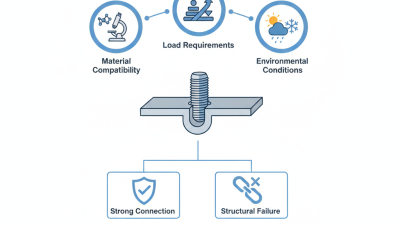
Choosing the right type of threaded rivet can be challenging. Factors such as material compatibility and load requirements must be considered. Research from the Industrial Fasteners Institute highlights that improper selection can lead to higher failure rates. Engineers must stay informed about current standards and innovations. There is always room for error, especially when materials and technologies continue to evolve rapidly. Making informed decisions is vital for ensuring reliability in assembly processes.
Key Materials Used in Threaded Rivets Production
Threaded rivets are essential for many applications. The materials used in their production significantly influence their performance. Most commonly, manufacturers utilize steel, aluminum, and brass. Each material has unique properties that cater to various needs.
Steel is highly durable and corrosion-resistant. It is often used in heavy-duty applications, ensuring long-lasting strength. Aluminum, on the other hand, is lightweight. It is ideal for applications where weight reduction is vital. Brass provides excellent electrical conductivity, making it suitable for specific electronic components.
Tips: Consider the end-use of the rivets. Do you need strength, weight savings, or conductivity? Match the material accordingly. An incorrect choice can lead to failures.
In production, consistency in material quality is crucial. Variances can result in weak points or premature failure. Invest time in quality control to ensure reliability. Engaging with reputable suppliers can help mitigate these risks. Remember, not all materials are created equal. Reflect on the specific requirements of your projects.
Factors to Consider When Sourcing Threaded Rivets
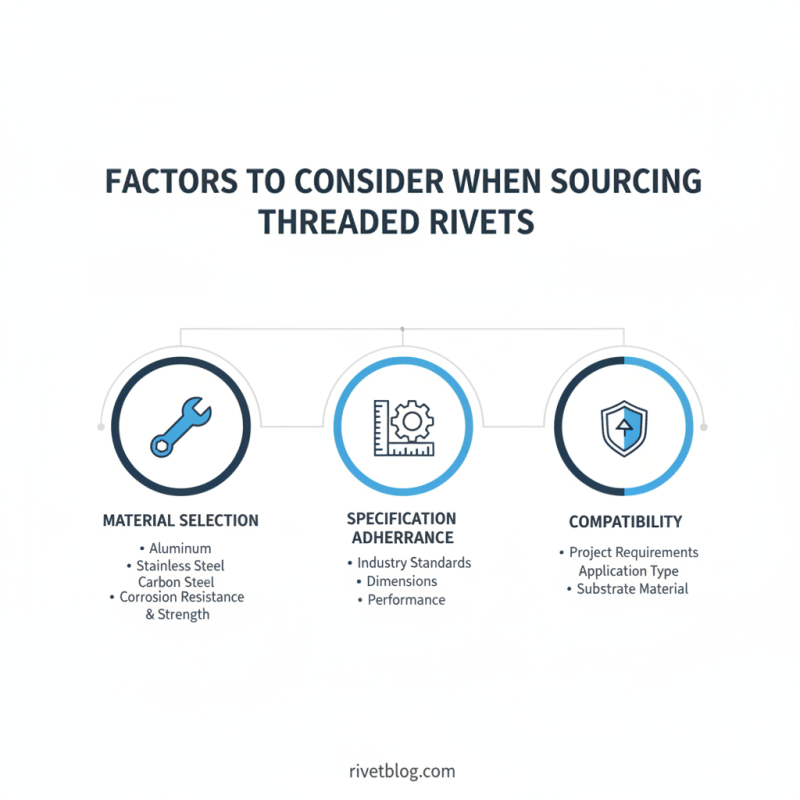
When sourcing threaded rivets, it's essential to consider various factors to ensure optimal performance and compatibility with your projects. Material selection is crucial. Aluminum, stainless steel, and carbon steel offer different properties. Choose based on corrosion resistance and strength. Specification adherence is vital. Ensure your rivets meet industry standards for dimensions and performance.
Tip: Always request material certificates before finalizing your order. This guarantees the quality and helps in verifying compliance.
Next, evaluate the design of the rivets. The head shape and grip range can influence the installation process and final product durability. Consider your specific application. Not all rivets perform equally under stress or in challenging environments.
Tip: Test different rivet designs in small batches. Gather feedback from your assembly team on ease of use and effectiveness. This step is crucial in avoiding larger-scale production issues later.
Lastly, supplier reliability is paramount. Research your suppliers extensively. Read reviews and ask for references. A trustworthy supplier can provide consistent quality and timely deliveries. This partnership will significantly impact your overall project success.
Top Suppliers and Manufacturers of Threaded Rivets Worldwide
When looking for top suppliers and manufacturers of threaded rivets, quality is key. These components play a significant role in various industries. From automotive to aerospace, threaded rivets are essential for secure connections. However, not all suppliers meet the same standards.
Selecting a reliable supplier is challenging. Factors such as production capacity and delivery times vary widely. Some manufacturers prioritize cost over quality, which can lead to issues later. It's crucial to find suppliers who understand the importance of precision. They should provide detailed specifications and comply with industry standards.
A solid relationship with suppliers leads to better outcomes. Open communication helps address concerns. Suppliers who listen to feedback often make necessary adjustments. It fosters trust and ensures that the products meet exact requirements. Therefore, choosing the right manufacturer is not just about the product but the partnership.
Best Threaded Rivets for Your Global Sourcing Needs
| Supplier Region |
Material Type |
Diameter (mm) |
Length (mm) |
Tensile Strength (MPa) |
Corrosion Resistance |
Annual Production Capacity (Million pieces) |
| North America |
Aluminum |
6.4 |
50 |
350 |
Yes |
15 |
| Europe |
Steel |
8.0 |
40 |
500 |
No |
20 |
| Asia |
Titanium |
5.0 |
30 |
600 |
Yes |
10 |
| South America |
Plastic |
7.0 |
25 |
200 |
No |
5 |