Best Weld Studs for Reliable Strong Connections?
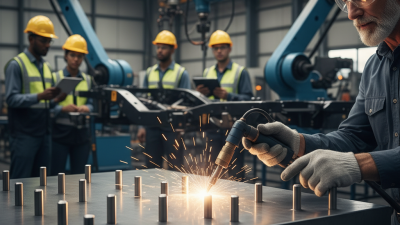
In the world of construction and manufacturing, weld studs play a crucial role in creating robust connections. Expert John Thompson, a leading authority in the field, states, "The quality of weld studs can make or break a project.” His insight emphasizes the importance of selecting reliable weld studs for every application.
Weld studs are versatile fasteners used in various industries. They provide strong bonds and stability. However, not all weld studs are created equal. Understanding the differences can be overwhelming. There are numerous types available, each designed for specific conditions. A misstep in choosing the right type may lead to failures.
It’s vital to prioritize quality when selecting weld studs. Consider factors like materials, strength, and application. The right weld studs enhance durability and reliability. Yet, many overlook these details, leading to unforeseen challenges. Building strong connections requires more than just application; it demands expertise in selecting the best weld studs.
Types of Weld Studs and Their Applications
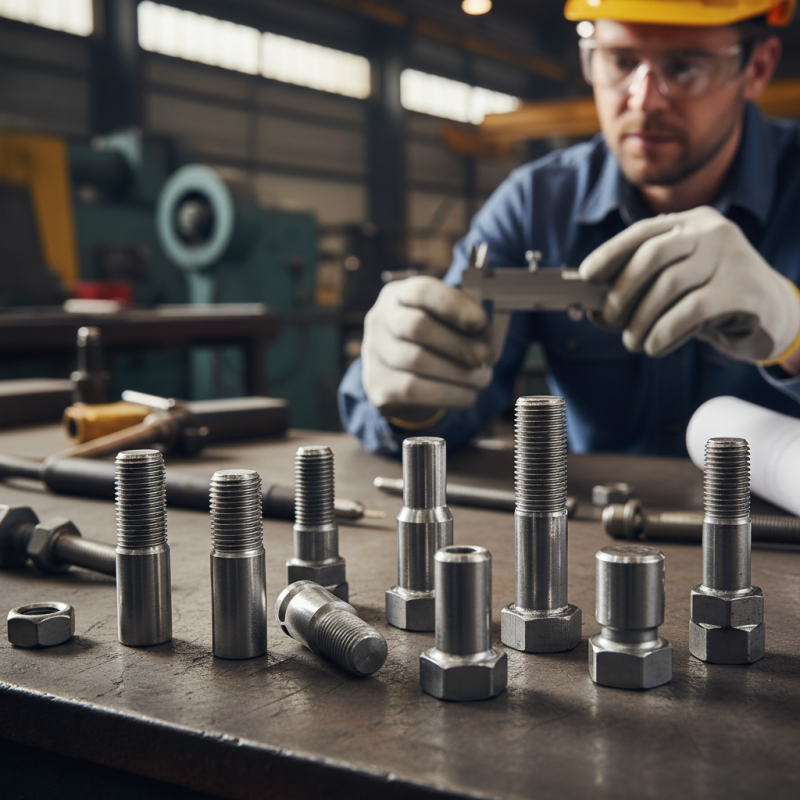
When it comes to weld studs, various types are suited for specific applications. Commonly used weld studs include threaded, unthreaded, and shear studs. Each variety offers unique advantages, catering to different needs in construction and manufacturing.
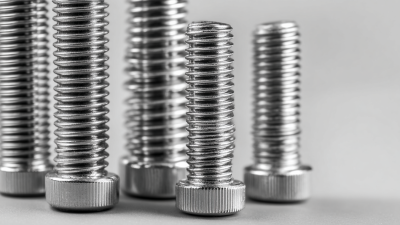
Threaded studs provide strong attachment points for bolts or nuts. They are ideal for projects requiring disassembly. Unthreaded studs, on the other hand, create a permanent bond and are suitable for load-bearing applications. Shear studs are used in composite steel decks. They enhance load resistance and connection strength in structures.
Tips: Always consider the material type. The choice between stainless steel or carbon steel can affect performance. Also, ensure proper surface preparation before installation. This dramatically impacts the strength of the joint. Testing connections under real-life conditions is also beneficial. This helps identify potential weak points and allows for necessary adjustments.
Weld studs can sometimes lead to failures if not installed correctly. Poor alignment or inadequate weld penetration are common issues. Regular inspection and quality control are essential. This can help prevent costly repairs and enhance safety.
Factors Influencing the Selection of Weld Studs
When selecting weld studs, several critical factors come into play. The tensile strength of the stud material is paramount. Steel studs consistently show varying tensile strengths, which can impact their performance under load. According to industry reports, weld strength can drop by 30% if the proper stud material is not chosen. This underlines the importance of material selection in ensuring reliable connections.
Another factor is the stud size and head design. Larger heads can distribute stress better, reducing the risk of pull-out failures. The American Welding Society states that improper size selection contributes to 25% of weld failures. Additionally, the weld type affects the overall connection integrity. Full penetration welds typically provide stronger bonds than partial penetration ones. However, achieving full penetration can be challenging and may require skilled labor.
Environmental conditions also play a significant role. Factors like humidity and temperature can affect welding quality. For instance, moisture can lead to defects, reducing the connection's reliability. Regular assessments and adjustments during work can prevent issues. Understanding these aspects helps in making informed decisions, ensuring stronger and more reliable connections in various applications.
Best Weld Studs for Reliable Strong Connections
Evaluation of Weld Studs: Strength and Reliability
When evaluating weld studs, strength and reliability are paramount. Unlike other fastening methods, weld studs create a permanent connection that withstands stress. It's crucial to select the right materials and techniques to ensure optimal performance. For example, using high-strength steel can enhance load-bearing capabilities, while proper surface preparation minimizes defects.
Tips: Always inspect the materials before use. Look for signs of corrosion or damage. Assess your welding technique. Inconsistent heat can weaken the joint.
Moreover, testing the welds under simulated conditions can reveal potential weaknesses. Experienced welders understand that even minor inconsistencies can lead to failure. Rigorous quality checks during the welding process can prevent issues later on.
Tips: Keep a record of your weld inspections. Track any recurring problems. Continuous learning from mistakes can lead to improved reliability.
Best Weld Studs for Reliable Strong Connections
| Stud Type |
Material |
Tensile Strength (ksi) |
Shear Strength (ksi) |
Corrosion Resistance |
Application |
| Carbon Steel |
Steel |
70 |
40 |
Low |
General Construction |
| Stainless Steel |
304 |
80 |
50 |
High |
Marine Applications |
| S235JR Steel |
S235JR |
50 |
30 |
Moderate |
Heavy Equipment |
| High Strength Alloy |
Alloy Steel |
100 |
60 |
Medium |
Aerospace |
| Copper Coated |
Copper |
40 |
20 |
Low |
Electrical Applications |
Best Practices for Installing Weld Studs
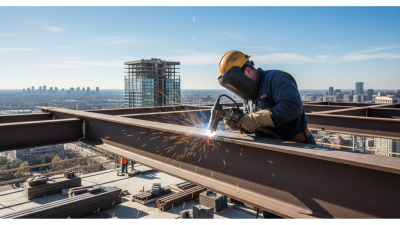
When it comes to installing weld studs, precision is crucial. The American Welding Society emphasizes that poor installation can lead to weak connections and costly failures. Studies indicate that up to 30% of weld failures are linked to improper technique. Consistent training on best practices can mitigate these risks.
Correct surface preparation is essential. Clean and smooth surfaces enhance adhesion. A study by the Welding Research Council showed that surface contaminants can reduce weld strength by 40%. It’s important to inspect the surfaces thoroughly before starting any welding operation. Also, the alignment of the stud is a critical factor. Misalignment can lead to stress concentrations that compromise the weld.
Monitoring welding parameters closely is another vital practice. The heat input must be controlled to avoid overheating. Excess heat may alter the properties of the base material, which can lead to unexpected failures. Furthermore, post-weld inspections are essential for ensuring quality. Techniques like ultrasonic testing can detect subsurface defects that are not visible externally. Even with these practices, there remains a potential for human error. Addressing these concerns through refresher training can lead to improvement.
Maintenance and Inspection of Welded Connections
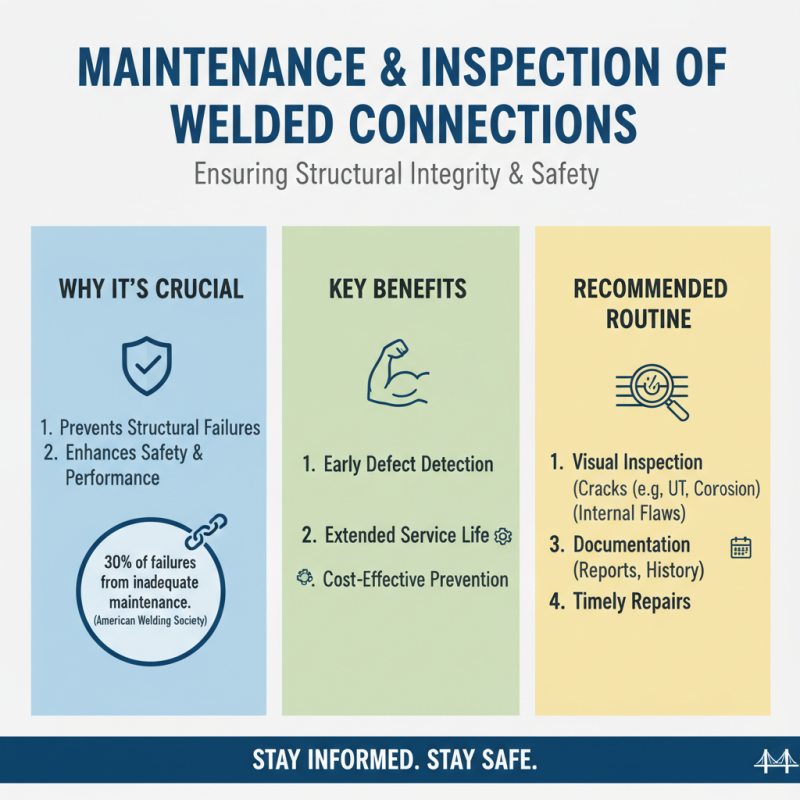
Inspecting welded connections is crucial for ensuring structural integrity. Regular maintenance checks contribute significantly to safety and performance. According to the American Welding Society, approximately 30% of welding failures occur due to inadequate maintenance. Therefore, a structured inspection routine is important for identifying potential issues before they escalate.
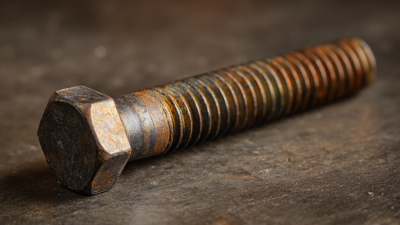
Focus on visual inspection first. Look for signs of distortion, cracking, or excessive corrosion. The use of ultrasonic testing can reveal internal flaws that might not be visible. Data from the National Institute of Standards and Technology emphasizes that inspecting weld quality can reduce the likelihood of catastrophic failures by up to 40%. Periodic maintenance allows for the timely replacement of weak components, enhancing overall durability.
**Tip:** Establish a clear log for all inspections performed. Documenting findings will help track performance trends and detect recurring issues more effectively.
Regular training for personnel involved in inspections is critical. They should stay updated on the latest inspection techniques. Engaging them in practical scenarios will refine their skills. Ensure that everyone understands the importance of their role in maintaining weld integrity.
**Tip:** Implement a checklist before each inspection. It can streamline the process and minimize oversight.