2026 How to Choose Neoprene Washers for Your Projects?
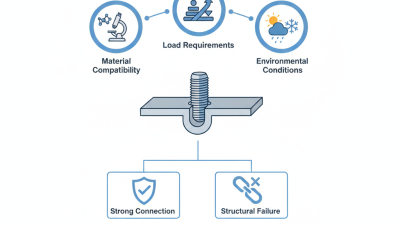
Choosing the right Neoprene Washers for your projects can be challenging. They are essential for creating strong seals in various applications. Understanding their properties is crucial for optimal performance. Neoprene Washers offer resistance to water, oil, and chemicals, making them versatile.
Consider the size and thickness of the washers. They must fit your specific needs. Too thick or too thin can result in failures. Testing different options is a good practice. Gather practical insights from your experiences to determine what works best.
Quality matters when selecting Neoprene Washers. Not all products are made equally. Look for reliable suppliers and read reviews. The wrong choice can lead to costly repairs or replacements. Reflect on past projects. Were the washers effective? This reflection guides better decisions in future applications.
Types of Neoprene Washers and Their Applications
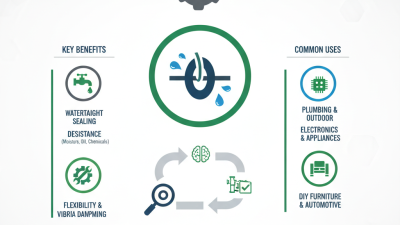
When selecting neoprene washers, understanding their types and applications is crucial for project success. Neoprene washers are highly versatile, known for their resistance to water, ozone, and various chemicals. They are commonly used in automotive, plumbing, and electrical applications. According to a recent industry report, nearly 30% of all sealing applications in manufacturing utilize neoprene. These washers' ability to provide excellent sealing and vibration dampening makes them suitable for various environments.
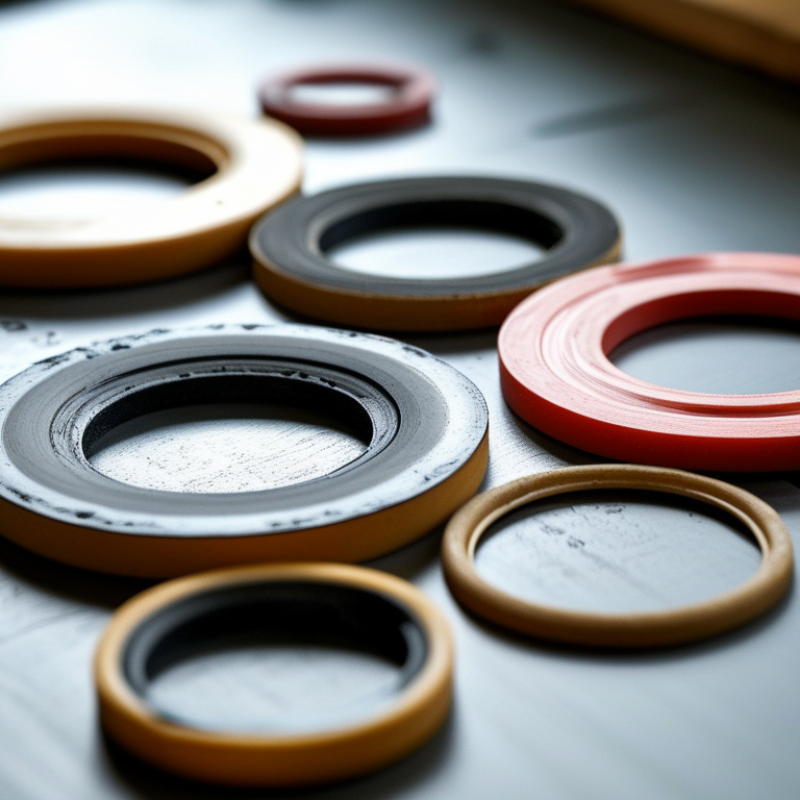
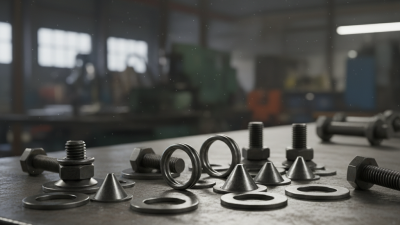
Different types exist, including standard flat washers, bonded washers, and custom shapes. Flat washers are typically used in machinery to distribute load. Bonded washers are great for applications requiring a watertight seal. Custom shapes allow engineers to meet specific design requirements. Understanding the material thickness and durometer is essential for ensuring optimal performance.
Tip: Always consider the operating environment. Industrial settings may require washers that can withstand extreme temperatures or corrosive substances.
Tip: Consult technical datasheets for specifications. Each washer's advantages depend on its size and hardness.
Selecting the right neoprene washer can be complex. The wrong choice may lead to leaks or premature failure. Evaluate your project requirements carefully before making a decision.
Key Factors to Consider When Choosing Neoprene Washers
When choosing neoprene washers for your projects, several key factors demand your attention. The hardness of neoprene significantly affects its performance. Softer washers provide better flexibility, while harder washers offer higher load-bearing capacity. Consider the specific demands of your application. If you need a tight seal, softer washers could be ideal. However, for structural support, harder options may be the right choice.
Another critical factor is the thickness of the washer. Thicker washers can absorb more shock and provide better sealing capabilities. Yet, excessive thickness might lead to difficulties in fitting and alignment. Take precise measurements to ensure compatibility with your project specifications. Testing different thicknesses on similar projects can also reveal valuable insights.
Lastly, don’t overlook the temperature resistance. Neoprene is versatile, but extreme heat or cold can affect its elasticity and strength. Evaluate the operating environment of your project. If conditions are unpredictable, it may be wise to conduct experiments to assess performance under varying temperatures. This trial and error could lead to unexpected but important learning about the material’s behavior in your specific context.
Sizing Neoprene Washers for Optimal Fit and Performance
Choosing the right neoprene washers for your projects requires careful sizing. Neoprene washers are known for their durability and flexibility. Proper sizing ensures they fit snugly, providing effective sealing and cushioning. According to industry reports, a mismatch in size can lead to leaks or reduced performance.
When measuring washers, consider the inner and outer diameters. The thickness is equally important. A washer that is too thick may not fit well, while one that is too thin may fail under pressure. Studies suggest that a snug fit enhances the washer's ability to absorb shock. An inappropriate size can compromise the integrity of your project.
User feedback indicates that many professionals overlook these details. It's a common pitfall to assume that all neoprene washers are interchangeable. However, even slight variations can affect performance significantly. This calls for a more meticulous approach. Sizing isn’t just about numbers; it’s about understanding the role each component plays in the overall design. Always test your chosen size under realistic conditions to gauge its effectiveness.
Durability and Resistance Features of Neoprene Washers
When considering neoprene washers for your projects, durability and resistance are crucial features to examine. Neoprene is known for its excellent resistance to oils, chemicals, and the elements. This versatility makes it ideal for both indoor and outdoor applications. Neoprene’s flexibility allows it to maintain a strong seal, preventing leaks effectively. However, not all neoprene is created equal, and variations exist based on thickness and formulation.
Tips: Check the temperature range of the neoprene. Extreme temperatures can affect performance.
In addition to chemical resistance, evaluate the wear resistance of the washer. Over time, constant friction can erode materials. Selecting a neoprene washer with a suitable thickness can provide better longevity. A thicker washer may resist wear more effectively, yet it might require more space. Sometimes, achieving the right balance is tricky.
Tips: Consider the application environment. A humid setting may require special formulations.
While neoprene washers offer many benefits, they’re not immune to deterioration. Sunlight exposure can weaken their structure. Regular inspection and maintenance of the washers can help identify potential issues early. The right choice depends on project specifics, so careful consideration is necessary.
Cost-Effectiveness and Sourcing Neoprene Washers for Projects
When selecting neoprene washers for your projects, cost-effectiveness is essential. These washers provide excellent resistance against water and chemicals, making them a popular choice. However, pricing can vary significantly based on the source. Researching suppliers is key. Look for manufacturers that offer competitive pricing without compromising quality. Bulk purchasing can also lead to savings.
Quality should not be overlooked in the pursuit of affordability. Sometimes, cheaper products may lack durability. Consider conducting a small test order to evaluate performance. The right balance between cost and quality leads to long-term satisfaction. It is also worth seeking feedback from others who have used neoprene washers. Their experiences can guide your decisions.
Sourcing neoprene washers from reliable suppliers is crucial. Some online retailers promise quick delivery, but verify their reputation first. Customer reviews can reveal inconsistencies in service or product quality. Be wary of deals that seem too good to be true. Often, they are. Proper sourcing strengthens project reliability and performance.
2026 How to Choose Neoprene Washers for Your Projects?
| Dimension (inches) |
Thickness (mm) |
Adujustable Temperature (°C) |
Cost per Unit ($) |
Best Use Cases |
| 1.0 x 0.5 |
2.0 |
-30 to 100 |
0.10 |
Plumbing, Electrical Sealing |
| 2.0 x 1.0 |
3.0 |
-20 to 80 |
0.15 |
Automotive, HVAC Applications |
| 3.0 x 1.5 |
4.0 |
-10 to 90 |
0.20 |
General Assembly, Sealing Applications |
| 4.0 x 2.0 |
5.0 |
0 to 100 |
0.30 |
Industrial Machinery, Food Processing |
| 5.0 x 3.0 |
6.0 |
-40 to 120 |
0.40 |
Marine, Electronics |