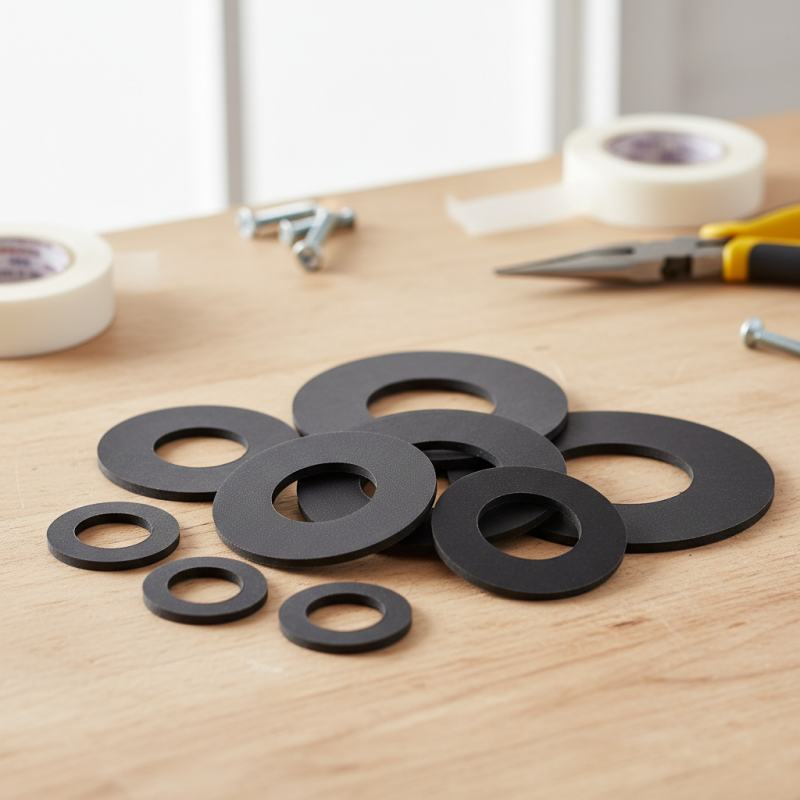
Why Neoprene Washers Are Essential for Your DIY Projects?
When embarking on DIY projects, the choice of materials can make all the difference. Neoprene washers are often overlooked, yet they play a crucial role. Renowned industry expert James Hargrove once remarked, "Neoprene washers provide unique flexibility and durability that standard washers simply cannot match." This quote captures the essence of why these washers are essential for any serious DIY enthusiast.
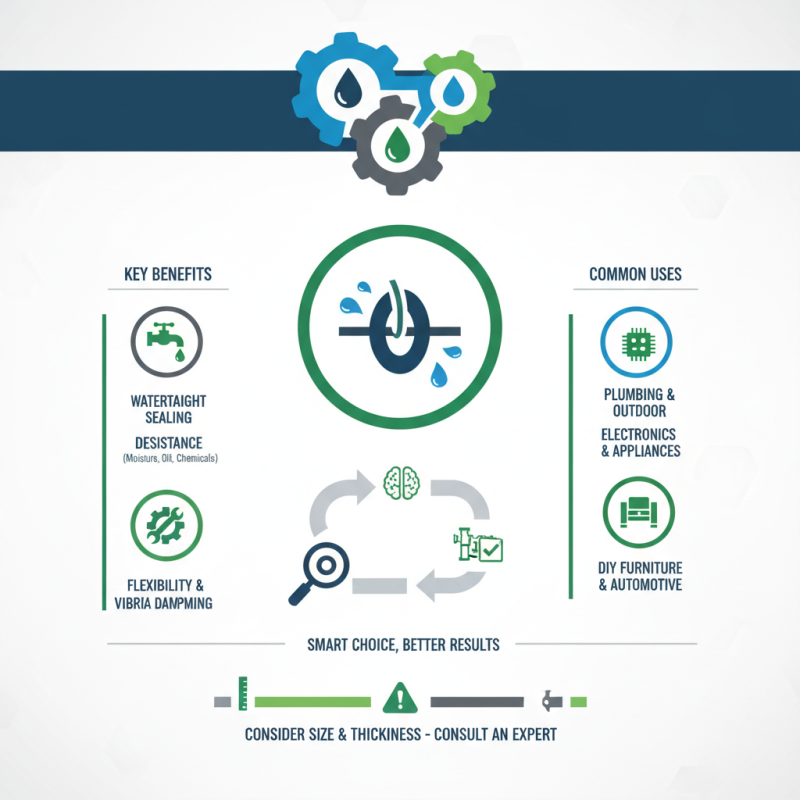
Neoprene washers excel in creating watertight seals. Their rubbery composition makes them ideal for plumbing, outdoor furniture, and electronic equipment. They resist moisture, oil, and chemicals, ensuring long-lasting use. Small and lightweight, these washers pack a punch in performance, proving that even the smallest components matter. However, one must consider the right size and thickness for each specific application. Not every neoprene washer is suited for every situation.
Sometimes, DIYers underestimate their importance. Inadequate sealing or gear failure can lead to project setbacks. Choosing quality neoprene washers builds reliability and performance. A bit of research can prevent mistakes. When in doubt, consult an expert or supplier to find the perfect fit. Ultimately, incorporating neoprene washers in projects can lead to smoother operations and improved results.
The Composition and Properties of Neoprene Washers
Neoprene washers are made from a synthetic rubber known for its unique properties. They are highly resistant to water, chemicals, and temperature extremes. According to the International Rubber Study Group, neoprene exhibits an elongation of 300% before breaking, making it an excellent choice for sealing applications in various DIY projects.
The composition of neoprene includes chloroprene, which enhances its durability and elasticity. This material is effective in preventing leaks in plumbing and is commonly used in automotive applications. In a study conducted by the American Society for Testing and Materials, neoprene outperformed other materials in terms of longevity and resistance to degradation under harsh conditions.
However, while the benefits are clear, some DIY enthusiasts may overlook sizing and compatibility when choosing washers. Neoprene may not adapt well to all environments, particularly where high heat is constant. People should consider these factors carefully. The environmental impact of neoprene also deserves attention. Ensuring proper disposal and recycling can make a difference in project sustainability. Overall, neoprene washers can greatly enhance the reliability of DIY projects when selected and used thoughtfully.
Why Neoprene Washers Are Essential for Your DIY Projects? - The Composition and Properties of Neoprene Washers
| Property |
Description |
Applications |
| Chemical Resistance |
Resistant to oils, solvents, and various chemicals. |
Plumbing, automotive, and industrial applications. |
| Durability |
Long-lasting performance in demanding environments. |
Heavy machinery, marine, and outdoor usage. |
| Temperature Resistance |
Can withstand a wide temperature range. |
Electrical applications and HVAC systems. |
| Flexibility |
Retains shape and functionality under stress. |
Gaskets and seals in various equipment. |
| Water Resistance |
Excellent barrier against water penetration. |
Outdoor furniture, wet environments, and seals. |
Common Applications of Neoprene Washers in DIY Projects
Neoprene washers are versatile components in various DIY projects. Their resistance to heat, water, and chemicals makes them ideal for plumbing tasks, automotive applications, and electronics assembly. According to a report by Freedonia Group, the demand for rubber products, including neoprene, is projected to grow by 3.8% annually through 2025. This indicates a clear trend toward durability in home improvement.
In plumbing, neoprene washers help create watertight seals, preventing leaks. They can withstand high pressure and fluctuating temperatures, ensuring longevity. In automotive projects, these washers contribute to the effective functioning of gaskets and seals. The resistance to oil and fuel makes neoprene a popular choice for vehicle maintenance tasks. A study by Grand View Research highlights that the automotive sector accounted for 30% of neoprene demand in 2022.
Neoprene washers are essential for electrical connections as well. Their insulating properties prevent short circuits, which can be costly. However, improper installation can lead to failures. A report by MarketsandMarkets reveals that the electronics sector is increasingly leaning on neoprene components, with a predicted growth rate of 6% annually. Understanding the specifics of how and where to use neoprene washers can make a significant difference in the performance of DIY projects.
Benefits of Using Neoprene Washers over Other Materials
Neoprene washers are increasingly popular in DIY projects. Their unique properties set them apart from other materials. Unlike metal or plastic washers, neoprene offers excellent flexibility and resilience. This rubber-like material can withstand extreme temperatures and resist degradation from environmental factors.
One significant advantage is their water resistance. Neoprene does not absorb water, making it ideal for outdoor applications. This quality ensures durability and effectiveness in various conditions. Neoprene washers also provide a superior grip, preventing slippage during assembly. This can reduce the chance of leaks or mechanical failures.
Using neoprene washers does come with reflections. While they are durable, they can wear out over time, especially in harsh conditions. It’s essential to inspect them regularly. Neoprene is not as cost-effective as some materials, which might be a concern for budget-conscious DIYers. Overall, the benefits of neoprene washers make them a reliable option for many projects.
Installation Tips for Neoprene Washers to Ensure Effectiveness
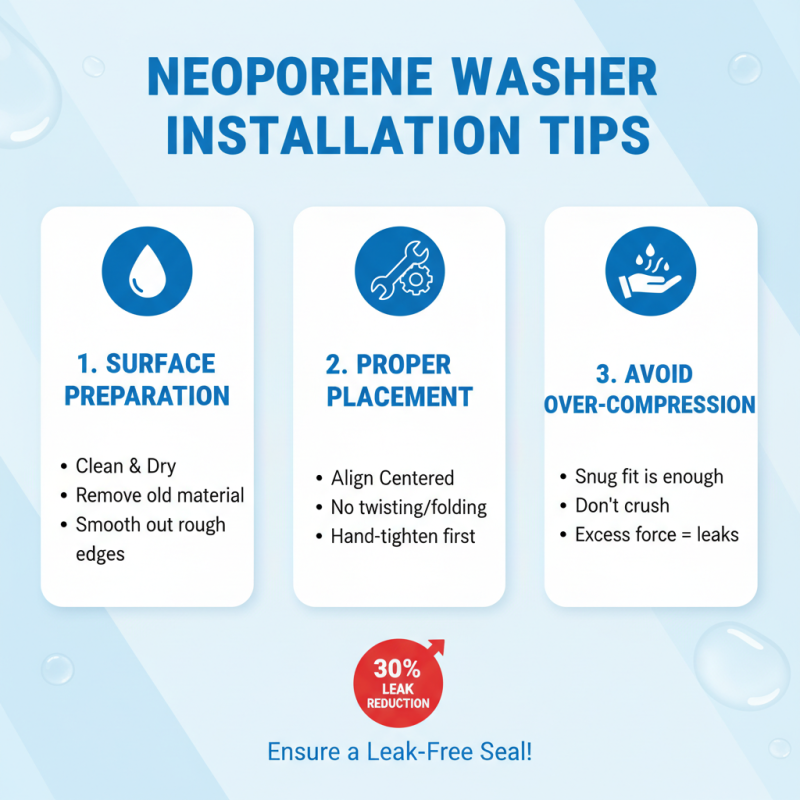
Neoprene washers are pivotal in ensuring a leak-free seal in various DIY projects. Their flexibility and resistance to environmental factors make them a go-to choice for plumbing and automotive repairs. However, proper installation of these washers is crucial to maximize their effectiveness. For instance, industry reports indicate that improper installation can lead to a 30% increase in leakage, which is often overlooked by DIY enthusiasts.
When installing neoprene washers, the surface must be clean and dry. Dirt or oil reduces the washer’s effectiveness. Compressing the washer to the required thickness is also vital. It ensures a proper seal while preventing over-compression, which can damage the washer. Research shows that a washer squeezed beyond its limit has a 50% higher chance of failing, leading to costly repairs later.
Be mindful of the size and thickness of the washer. Using the wrong dimensions can compromise the integrity of your project. It is often tempting to substitute different materials, but this can lead to unexpected failures. Regular checks after installation can prevent future issues, ensuring that your DIY projects remain durable and professional-looking.
Maintenance and Care for Neoprene Washers to Extend Longevity
Neoprene washers are a popular choice in various DIY projects due to their durability and flexibility. To maximize their lifespan, regular maintenance is crucial. Research indicates that proper care can extend the life of neoprene products by up to 50%. A key step is to keep them clean and free from debris. Dirt and chemicals can degrade neoprene faster than expected.
Inspecting neoprene washers regularly is essential. Look for signs of wear such as cracks or stiffness. The American Society for Testing and Materials (ASTM) suggests that neoprene should be replaced every 3 to 5 years in high-use applications. Keeping them dry is also vital. Moisture can lead to mold growth, which can compromise their integrity.
Check the installation as well. Over-tightening can cause deformation. It's best to maintain snug fits without excess force. Some project leaders recommend creating a rotation schedule for washers. This practice ensures that no single washer bears the brunt of wear and tear. Small changes in care habits can lead to significant improvements in durability.
Importance of Neoprene Washers in DIY Projects
This chart illustrates the importance of various features of neoprene washers essential for DIY projects. Each feature is rated on a scale from 1 to 10, highlighting the significance of these washers in terms of water resistance, heat resistance, noise reduction, durability, and cost-effectiveness.