Company News

Top Small Screws for Global Buyers How to Choose?

Selecting the right Small Screws is not a minor purchasing task. A two-millimeter error can cause loose panels, damaged threads, or costly production delays. Global buyers must compare diameter, length, head style, drive type, material, coating, and thread standard before requesting quotations. Appearance alone is not enough.

Industry data supports this careful approach. UN Comtrade records screws and related fasteners under HS code 7318, showing how widely these products move across international supply chains. Grand View Research’s fasteners market analysis also highlights continued demand from construction, automotive, electronics, and machinery manufacturing. These sectors require different performance levels. A zinc-plated steel screw may suit indoor furniture, while stainless steel is more appropriate for humid equipment or outdoor assemblies. ISO 898-1 helps buyers evaluate mechanical properties for carbon and alloy steel fasteners. ASTM standards can also guide material and testing expectations.

Small details matter.

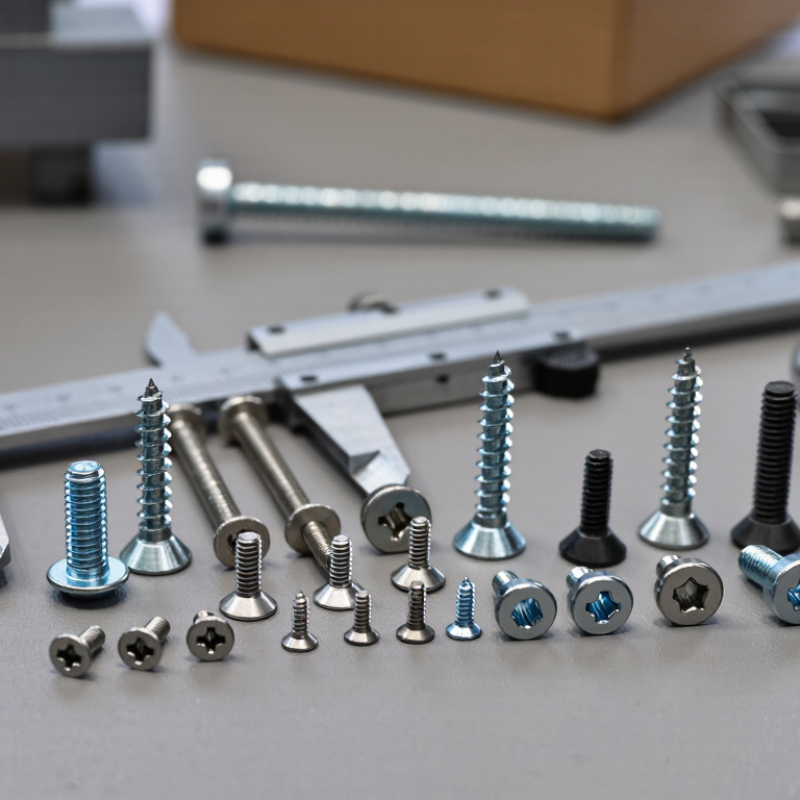
Experienced sourcing teams should verify sample dimensions with calipers, inspect thread uniformity, and confirm salt-spray or torque requirements. They should also request mill certificates, inspection records, packaging specifications, and traceable lot numbers. Supplier claims are useful, but documented evidence is stronger. I have seen buyers focus heavily on unit price and overlook coating thickness or drive compatibility. That decision often becomes expensive later.

This guide explains how global buyers can compare Small Screws more reliably. It considers technical fit, supplier capability, compliance documentation, and practical delivery risks. No single specification works everywhere. The best choice depends on the assembly, environment, standards, and expected service life.
Top Small Screws for Global Buyers How to Choose?

What Small Screws Are and Where They Are Commonly Used

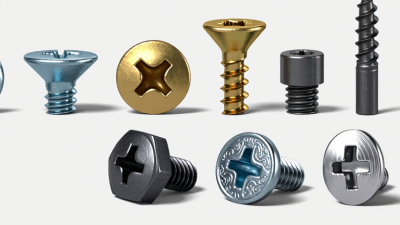
Small screws are compact fasteners designed for precise assembly where space is limited. Their diameters often range from under one millimeter to several millimeters. They may have machine threads, wood threads, or self-tapping points. Head shapes include flat, pan, oval, and hex styles.

These screws are common in electronics, watches, spectacles, small appliances, furniture fittings, and medical equipment. A tiny screw can secure a circuit cover or hold a hinge in place. Material choice matters. Stainless steel resists moisture, while carbon steel provides strong clamping force. Aluminum and brass are useful when low weight or electrical conductivity is important. Buyers should confirm thread diameter, pitch, length, head diameter, drive type, coating, and tolerance. I have seen orders delayed because the length included the head. That detail is easy to miss.

Tips: Measure a sample screw with a thread gauge and caliper. Check whether the mating hole is threaded or unthreaded. Request inspection records for size, hardness, and surface finish. Small errors matter. Packaging also deserves attention. Separate compartments prevent mixed sizes, while dry storage reduces corrosion. Selection is not always perfect; actual assembly testing may reveal a head that strips or a thread that binds. That feedback should improve the next order.

Top Small Screws for Global Buyers How to Choose? - What Small Screws Are and Where They Are Commonly Used

Small Screw Type Common Size Range Typical Head / Drive Common Materials Common Applications Why Buyers Choose It Important Selection Point
Machine Screw M1.6–M5; approximately #0–#10 in inch sizes Pan, flat, or countersunk head; Phillips, slotted, or hex socket Carbon steel, stainless steel, brass Control panels, appliances, electronic assemblies, brackets, and enclosures Provides consistent clamping with a nut or tapped hole Match the thread diameter, pitch, length, and mating thread standard
Self-Tapping Screw Approximately 1.4–5 mm diameter; short to medium lengths Pan, wafer, or flat head; pointed or blunt tip Hardened carbon steel, stainless steel Thin sheet metal, plastic housings, electrical boxes, and light-duty assemblies Forms or cuts its own mating thread, reducing the need for a pre-tapped hole Select a thread profile suitable for metal or plastic and control installation torque
Thread-Forming Screw M2–M5; commonly used in prepared holes Pan or countersunk head; cross or hexalobular drive Case-hardened carbon steel, stainless steel Thermoplastics, die-cast alloys, and thin metal components Displaces material to create a thread and can improve resistance to loosening Use the hole diameter recommended for the specific material and screw geometry
Thread-Cutting Screw M2–M5; available in short and medium lengths Pan, flat, or hex head; cutting flute or sharp thread Hardened carbon steel, stainless steel Aluminum, brass, zinc alloys, and some rigid plastics Cuts a thread while driving and can reduce tapping operations Check chip clearance, base-material thickness, and the risk of cracking plastics
Self-Drilling Screw Approximately 2.9–5.5 mm diameter Hex washer, pan, or modified truss head; hex or cross drive Hardened carbon steel, coated steel, stainless steel Overlapping sheet metal, light-gauge steel frames, ducting, and roofing components Drills, taps, and fastens in one operation when material thickness is suitable Choose the correct drilling-point length and rated material thickness
Micro Socket Head Screw M1.2–M4; often supplied in short lengths Low cylindrical head with internal hex socket Alloy steel, stainless steel, titanium for specialized uses Precision instruments, small mechanisms, robotics, optics, and compact equipment Small head footprint and reliable torque transfer in limited access areas Confirm wrench size, head height, clearance, and required clamp load
Shoulder Screw Typically M2–M5; shoulder diameter is specified separately Socket or slotted head with an unthreaded precision shoulder Alloy steel, stainless steel Hinges, rollers, guides, spacers, linkages, and pivoting parts Acts as a fixed-diameter axle or locating pin while the threaded end secures it Specify shoulder diameter, shoulder length, thread length, and tolerance
Thumb Screw M2–M6; equivalent inch sizes are also common Knurled or winged head for hand tightening Stainless steel, carbon steel, brass, engineering plastics Removable covers, access panels, fixtures, and adjustment mechanisms Allows tool-free installation and repeated removal Do not use for high-load joints unless the design permits hand-tightening
Small Screw Selection Checklist: Confirm the diameter, thread pitch, length, head style, drive type, base material, corrosion environment, required strength, installation torque, and applicable metric or inch thread standard before purchasing.
Note: “Small screw” is a practical purchasing term rather than one universal technical classification. In many applications, it refers to compact fasteners approximately M1–M6 or their inch equivalents; the appropriate size depends on the joint design and load requirements.

Key Materials, Sizes, Threads, and Head Types Explained

Small screws often decide whether a product feels reliable or unfinished. Material selection comes first. Stainless steel resists moisture, while carbon steel provides strength at a lower cost. Brass suits electrical and decorative applications, but it may deform under heavy torque. For outdoor use, confirm coating thickness and corrosion-test records instead of trusting surface appearance.

Size must match the joint, not just the hole. Measure diameter, length, and usable thread length carefully. Metric and imperial dimensions are not interchangeable, even when they look similar. Coarse threads install quickly in softer materials, while fine threads offer better adjustment in metal. Machine screws need prepared holes or nuts; self-tapping screws form threads during installation. I have seen short screws fail because only two threads engaged. That detail is easy to overlook.

Tips: Choose the head type around the tool and surface. Pan heads suit general assembly, flat heads sit flush, and socket heads provide strong drive access in tight spaces. Check Phillips, slotted, hex, or Torx compatibility before ordering. Request samples, a dimensional drawing, hardness data, and batch traceability. Test actual torque and pull-out strength. A visual inspection is not enough. Allow a small tolerance for plating thickness and production variation; perfection on paper can still fail during assembly.

How to Match Small Screws With Different Applications

Choosing small screws starts with the joint, not the screw box. In field assembly, I check the material, load, access, and expected movement before selecting a size. A 2 mm screw may suit a thin electronics cover, but it can strip soft plastic. For metal panels, fine threads often provide cleaner engagement. Coarse threads can grip wood or softer substrates more effectively. Measure the available depth carefully. A screw that bottoms out can leave the joint loose. It sounds obvious, yet rushed prototypes still show this mistake.

Tips: Match the head to the tool and available clearance. A pan head spreads pressure across a small surface, while a countersunk head sits flush when the material allows it. Choose stainless steel for moisture exposure, but confirm its strength and compatibility with nearby metals. Use a pilot hole in brittle plastic or hardwood. Keep torque controlled. Over-tightening can crack a housing or deform a washer. Test five samples under realistic vibration. One successful installation proves very little.

For moving parts, thread length matters as much as diameter. Leave enough engagement without contacting wires, springs, or hidden channels. I also inspect plating, burrs, and thread consistency because tiny defects appear during automated assembly. My early selections are not always right. A short trial, removal test, and torque record usually reveal more than a catalog table. Record the final dimensions, driver type, and failure observations for repeat orders.

Which Quality Standards and Supplier Details Global Buyers Need

Top Small Screws for Global Buyers: How to Choose?

Small screws demand more than a low price and attractive sample. Global buyers should match each screw with its application, material, load, and environment. For metric fasteners, ISO 898-1 may apply to carbon steel mechanical properties, while ISO 3506 covers many stainless-steel grades. Thread tolerances should follow the required ISO specification. Coating requirements may also involve corrosion testing and restricted-substance declarations.

Ask suppliers for a current quality certificate, material test report, and certificate of conformity. These documents should identify the production lot, material grade, size, coating, and inspection date. Request thread-gauge results, dimensional records, torque data, and salt-spray results when corrosion matters. A certificate alone proves little. The traceability must reach the actual batch.

Supplier transparency matters just as much. Confirm factory location, production capacity, minimum order quantity, sampling policy, lead time, packaging method, and export experience. Clear carton labels should show part number, quantity, lot number, and country of origin. Photos of gauges and packing areas can reveal useful details. However, images are not an audit. A virtual inspection helps, but an independent factory assessment is stronger.

Do not ignore small inconsistencies. One sample may pass while a later lot shows burrs or unstable plating. I have seen buyers approve samples without defining acceptance limits, then face disputes during mass production. Write measurable specifications before ordering, including allowable thread damage, hardness range, coating thickness, and inspection levels. Supplier claims deserve verification. Dialogue matters, but records matter more.

How to Compare Prices, Samples, Packaging, and Delivery Terms

Top Small Screws for Global Buyers: How to Choose?

Small screws can look identical in a catalog, yet their performance may differ greatly. Compare prices only after confirming material, diameter, length, thread type, and surface treatment. A lower quote may exclude tooling, inspection, or export packaging. Ask whether prices cover samples, production, and delivery separately. Request a clear quotation with currency, minimum order quantity, payment terms, and validity period.

Samples reveal details that photographs cannot show. Check thread smoothness, head shape, coating consistency, and fit with your matching component. Measure several pieces with a caliper, not just one screw. I once trusted a sample that looked perfect, but the batch had uneven plating. That mistake reminded me to request samples from the actual production line.

Tips: Compare equal quantities and specifications. Ask for pre-production samples. Confirm carton strength, inner-bag labels, moisture protection, and piece counts. Delivery terms need careful reading. Clarify the shipping method, estimated lead time, destination responsibility, and customs documents. A short lead time may mean limited inspection. That trade-off is easy to miss. Keep written records of approved samples and packaging photos. My own comparisons are never flawless, so I leave time for inspection and possible delays. A reliable supplier should answer technical questions directly and explain changes before production.

Top Small Screws for Global Buyers: How to Choose?

This comparison uses an indicative 0–100 buyer score for standard small carbon-steel screws. The score combines typical export price levels, sample lead time, packaging flexibility, and delivery reliability. A higher score indicates a more favorable purchasing condition.

Price benchmarks reflect common bulk-order ranges of approximately US$12–38 per 1,000 pieces. Sample lead times typically range from 3–10 days, while production and sea delivery often require 15–35 days and 25–45 days respectively. Buyers should confirm coating, thread type, carton weight, minimum order quantity, and Incoterms before placing an order.