Company News

Top 10 Types of Small Screws and Their Uses

Small screws rarely attract attention until one fails. A loose hinge, cracked circuit board, or rattling cabinet panel can reveal their importance. These small components control alignment, clamping force, and product durability. Yet choosing the right screw involves more than matching its diameter.

Fastener engineer John H. Bickford wrote, “The bolted joint is one of the most common and one of the least understood mechanical assemblies.” His observation also applies to many screw joints. Small Screws may look similar, but their threads, heads, drives, materials, and finishes serve different purposes. A tiny pan-head screw suits some electronics, while a countersunk screw creates a flush surface in a wooden panel. An incorrect driver can damage the head before the joint feels secure.

This guide examines the top 10 types of Small Screws and their practical uses. It considers where each type performs well, where it can disappoint, and which details deserve closer inspection. We will look at machine screws, self-tapping screws, wood screws, miniature set screws, and other common designs. Their applications range from precision instruments to furniture hardware.

The list is not perfect.

Real projects involve vibration, moisture, soft materials, tight spaces, and imperfect tools. A screw that works beautifully in a dry indoor enclosure may corrode outdoors. A smaller screw may save space but provide less holding strength. Careful selection remains essential. The best choice depends on the material, load, installation method, and expected service conditions.

Top 10 Types of Small Screws and Their Uses

What Defines a Small Screw: Size, Thread, Head, and Drive Features

Small screws are defined by more than their overall length. Their size includes diameter, length, and sometimes head height. A 2 mm screw may suit a small electronic housing, while a 4 mm screw may hold a cabinet hinge. Measure the fastener and the material together. A tiny screw can still cause splitting in thin wood.

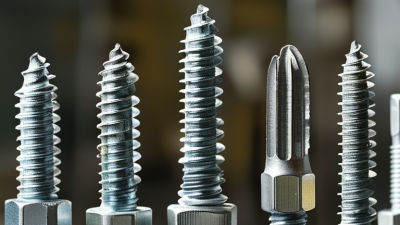
Thread design strongly affects performance. Fine threads work well in metal and provide precise adjustment. Coarse threads grip wood, plastic, and softer materials more effectively. Self-tapping screws create threads as they enter a prepared hole. Self-drilling screws use a drill-like point for thin sheet metal. Machine screws need a matching threaded hole or nut. Thread length also matters. Too short reduces holding power, while excessive length can damage hidden components.

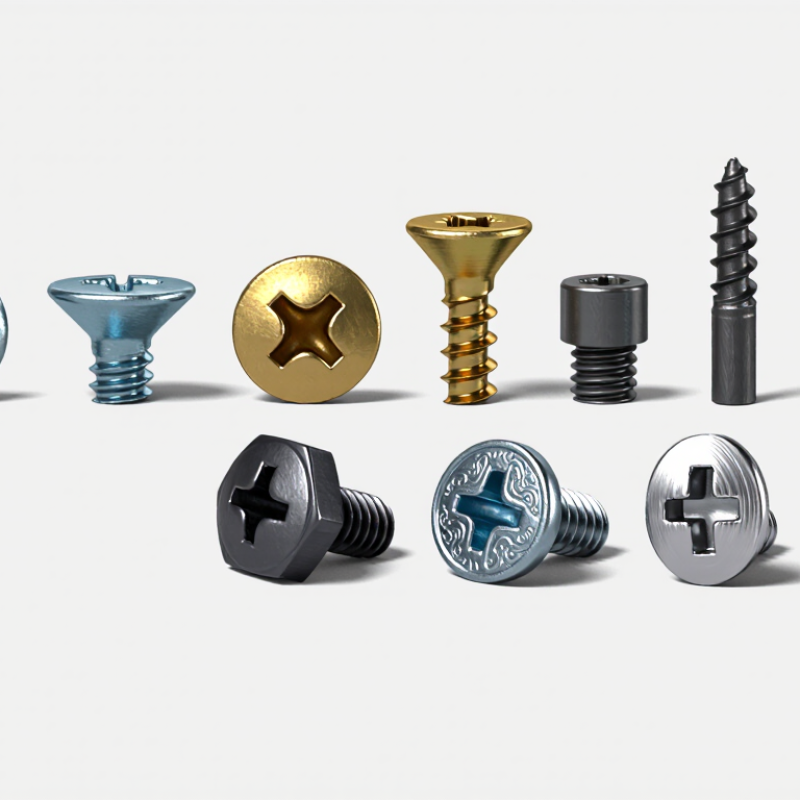
The head and drive determine access, pressure, and installation control. Flat heads sit nearly flush, making them useful for panels and hinges. Pan heads leave a raised surface and spread pressure over a wider area. Round, washer, and truss heads serve similar roles when surface coverage matters. Common drives include slotted, Phillips-style, hex, and star-shaped recesses. A matching driver should fit firmly, not wobble. That small detail prevents stripped recesses and scratched surfaces. In practice, I sometimes choose a screw by habit, then reconsider after checking the substrate. The “best” small screw is rarely universal.

How Small Screws Are Classified by Design and Material

Top 10 Types of Small Screws and Their Uses

Small screws are classified by head design, drive style, thread shape, and material. Flat-head machine screws sit flush in countersunk holes, while pan-head screws leave a low, rounded profile. Round-head screws suit light-duty assemblies where appearance matters. Socket-head screws provide strong tightening in narrow spaces. Set screws hold shafts without using a projecting head. Shoulder screws add a smooth, accurate spacing surface.

APPLICATIONS Self-tapping screws cut threads into plastic or thin metal. Sheet-metal screws have sharp threads for panels and enclosures. Thread-forming screws press material aside, reducing loose chips in softer plastics. Wood screws use deeper threads and pointed tips for timber. Miniature screws fit instruments, hinges, small electronics, and delicate mechanisms. The right design depends on access, load, vibration, and the material being joined.

Material changes performance significantly. Stainless steel resists moisture, carbon steel offers high strength, and brass provides useful conductivity. Aluminum reduces weight, while nylon protects sensitive surfaces and limits electrical contact. A workshop mistake taught me this clearly: I selected a hard screw for a soft plastic housing, then damaged the mounting hole. Thread shape matters as much as strength. Check diameter, pitch, length, drive fit, and corrosion conditions before installation. A screwdriver that feels slightly loose is already a warning.

Ten Common Small Screw Types and Their Practical Uses

Top 10 Types of Small Screws and Their Uses

Ten Common Small Screw Types and Their Practical Uses

Small screws look similar, but thread design and head shape control their performance. Grand View Research’s 2024 fasteners analysis valued the global fasteners market above USD 90 billion in 2023. That scale reflects their essential role in furniture, electronics, vehicles, and construction.

Machine screws join threaded holes in metal housings and control panels. Self-tapping screws form threads in thin metal or plastic. Wood screws grip timber with deep, tapered threads. Drywall screws fasten boards to metal or wood framing. Sheet-metal screws secure ducts, brackets, and light enclosures. Set screws hold gears or collars against shafts without using a head. Tiny but useful.

Shoulder screws provide a fixed gap for hinges and moving parts. SEMS screws combine a captive washer with the screw, reducing assembly steps. Thumb screws allow tool-free adjustment on covers and laboratory fixtures. Precision miniature screws fit cameras, circuit boards, watches, and small instruments. Their smaller heads demand careful torque control.

In field work, I have seen overtightening crack plastic posts and strip soft alloys. That mistake remains common. ISO 898-1 classifies mechanical properties for many carbon-steel fasteners, but its scope does not cover every miniature screw. Material, coating, pilot-hole size, and vibration should guide selection. A 2023 industrial fastening report from MarketsandMarkets also identifies automation and electronics as important growth areas, though forecasts can change. Check the application twice.

How to Choose the Right Small Screw for Different Materials

Small screws vary in thread shape, head design, length, and material. Choosing one depends less on appearance and more on the surface being joined. For wood, sharp-thread wood screws bite into fibers and hold well. A pilot hole reduces splitting, especially near a narrow edge. For metal, self-tapping or sheet-metal screws form their own threads. Use a drill bit suited to the metal thickness.

For plastic, choose a screw with a coarse thread and moderate tightening pressure. Excessive torque can crack the part or strip the hole. Machine screws work with threaded inserts, nuts, or tapped holes. They are common in electronics, furniture hardware, and light machinery. Pan heads spread pressure around the opening, while flat heads sit nearly flush. Match the head to the available recess.

Check the screw length carefully. It should grip enough material without piercing the opposite side. In damp areas, corrosion-resistant material is safer, but compatibility still matters. Dissimilar metals can react over time. I have occasionally chosen a screw that looked strong but damaged the softer material underneath. That mistake is easy to prevent. Test one screw first. Fit matters. Do not guess. A hand driver often gives better control than a powerful drill, particularly with small screws and delicate surfaces.

Installation Methods and Common Mistakes to Avoid

Top 10 Types of Small Screws and Their Uses

Installation Methods and Common Mistakes to Avoid

Small screws may look similar, but their threads and heads serve different purposes. Machine screws suit tapped holes, while self-tapping screws create threads in softer materials. Wood screws grip timber fibers, and sheet-metal screws hold thin panels securely. Tiny pan-head, flat-head, socket, and shoulder screws each require careful handling.

A clean installation begins with the correct driver. Match the bit to the screw head, then keep it straight while turning. For wood or plastic, drill a pilot hole slightly smaller than the screw shaft. Hard materials may need a clearance hole and a countersink. Insert the screw slowly, using moderate pressure. Stop when the head sits flush. Do not force it.

Over-tightening is a common failure. It can strip threads, crack plastic, or leave a distorted metal panel. A screw that feels loose may need a longer length, not extra torque. Check the material thickness and leave enough thread engagement. Never mix thread standards by guesswork. They may appear identical at first. They are not.

I have occasionally chosen a driver that was “close enough,” and the damaged head proved otherwise. That small mistake wastes time. Keep screws separated during installation, especially when lengths differ by only a few millimeters. A final hand check can reveal wobbling, uneven seating, or a hidden crack before the assembly is put into service.

Top 10 Types of Small Screws and Their Uses - Installation Methods and Common Mistakes to Avoid
Screw Type Typical Uses Best Materials Installation Method Pilot Hole Guidance Common Mistakes to Avoid Key Selection Tip
Wood Screw Joining timber, attaching hinges, brackets, handles, and small hardware to wood. Softwood, hardwood, plywood, and medium-density fiberboard when suitable thread length is selected. Position the parts, drill a clearance hole through the top piece when needed, then drive the screw with a compatible driver bit. Use a pilot hole in hardwood, near board edges, or when using a larger diameter screw. The pilot hole should match the screw's core diameter. Using a screw that is too long, driving too close to an edge, overtightening, or using a blunt bit that damages the head. Choose a length that provides adequate thread engagement without breaking through the workpiece.
Machine Screw Fastening components to a threaded hole or nut in appliances, electronics, machinery, and metal assemblies. Metal, rigid plastics, electrical enclosures, and prepared threaded inserts. Align the parts, start the screw by hand to prevent cross-threading, and tighten with the correct driver. No pilot hole is needed when a correctly sized threaded hole or nut is already present. A clearance hole is required through unthreaded parts. Cross-threading, forcing the wrong thread standard, using excessive torque, or fastening without full thread alignment. Match the diameter, thread pitch, head style, and length to the existing nut or tapped hole.
Self-Tapping Screw Creating its own mating thread in thin metal, plastic, and other relatively soft materials. Sheet metal, plastics, light-gauge aluminum, and thin steel. Place the screw squarely, apply steady pressure, and drive at a controlled speed until the head is seated. A pilot hole is commonly needed in harder or thicker materials. Use the hole size recommended for the screw diameter and material. Using excessive speed, stripping the newly formed threads, using the screw in material that is too thick, or installing at an angle. Select a thread-forming or thread-cutting style appropriate for the material and thickness.
Self-Drilling Screw Attaching thin metal panels, brackets, ducts, and light-gauge metal components without separate pre-drilling. Thin steel, aluminum, sheet metal, and metal-to-metal assemblies. Apply firm, straight pressure with a drill or driver until the drill-point penetrates the metal and the head seats. Usually no separate pilot hole is required because the tip drills through the sheet. Pre-drilling may be needed for thick or hard material. Applying excessive force, using a worn drill point, overdriving the screw, or using it in material thicker than its drilling capacity. Check the drill-point length and stated material capacity before installation.
Drywall Screw Attaching gypsum drywall panels to wood or light-gauge metal framing. Gypsum board with timber or metal studs; not intended for general structural fastening. Drive with a controlled-speed driver until the bugle head is slightly recessed without breaking the paper face. A pilot hole is generally unnecessary in wood framing. A suitable bit or self-drilling point may be used for metal studs. Breaking the paper surface, driving too deeply, using drywall screws for load-bearing work, or choosing the wrong length for the panel and framing. Use a length that gives sufficient penetration into the framing while keeping the head just below the surface.
Deck Screw Securing outdoor decking, trim, fencing, and other exterior wood components. Pressure-treated lumber, exterior timber, composite boards, and outdoor wood structures. Align the board, countersink only as needed, and drive the screw until the head is flush or slightly recessed according to the material. Pre-drill near ends and edges, in hardwood, or in dense composite boards to reduce splitting and installation torque. Using indoor screws outdoors, placing screws too close to board ends, overtightening, or failing to account for board movement. Choose an exterior-rated corrosion-resistant finish and a length that provides solid support in the framing.
Sheet Metal Screw Fastening overlapping metal sheets, light brackets, vents, electrical covers, and thin metal parts. Steel sheet, aluminum sheet, thin metal tubing, and some rigid plastics. Clamp or align the parts, drill a pilot hole when required, then drive the screw perpendicular to the surface. Use a properly sized pilot hole when the screw is not self-drilling or when material thickness makes direct driving difficult. Using a hole that is too large, damaging thin sheet with excessive torque, leaving sharp protrusions, or selecting an unsuitable thread type. Match the thread design and point style to the sheet thickness and whether access to the rear side is available.
Concrete or Masonry Screw Attaching light-duty fixtures, clips, conduit, and brackets to concrete, brick, or block. Concrete, solid brick, and some masonry units; performance varies with the substrate. Mark the location, drill with a masonry bit to the specified depth, clear the dust, and drive the screw without excessive force. A pilot hole is required. Use the manufacturer's specified diameter and depth, and avoid drilling too close to edges. Skipping dust removal, using the wrong drill-bit size, installing in weak or hollow masonry without suitable support, or overtightening. Verify the substrate and expected load; use an approved anchor system when the screw alone is not appropriate.
Set Screw Securing pulleys, knobs, gears, collars, and other components onto a shaft without a projecting screw head. Steel shafts, hubs, collars, knobs, and machined components with threaded holes. Align the component on the shaft, insert the set screw, and tighten with the correct hex or other driver. The component must have a properly tapped hole. A small flat, dimple, or keyway on the shaft can improve holding depending on the design. Using the wrong point style, tightening against a rounded or dirty shaft, overloading a small screw, or failing to align the component. Select the point style based on whether the shaft should remain reusable or receive a permanent bite.
Trim or Cabinet Screw Installing cabinet hardware, interior trim, moldings, face frames, and small woodworking assemblies where a neat finish is important. Softwood, hardwood, plywood, and cabinet-grade sheet materials. Clamp the parts, drill a small pilot or clearance hole when appropriate, and drive the narrow head flush with the surface. Pilot holes are recommended in hardwood, narrow trim, and near edges to reduce splitting. A countersink may be used for flat-head designs. Splitting narrow trim, sinking the head too deeply, using a screw with an oversized head, or selecting insufficient thread length. Choose a small head and finish suitable for the visible surface, with enough length to hold the joint securely.