What is a Concrete Wall Anchor and How to Choose the Right One?
Choosing the right Concrete Wall Anchors can seem overwhelming. Experts emphasize the importance of understanding their various applications. John Smith, a leading specialist in construction technology, once stated, “The right anchor makes all the difference in safety and stability.” This highlights the crucial role that these anchors play in ensuring secure fixtures.
Concrete Wall Anchors come in different types, each designed for specific loads and materials. Some anchors work best in solid concrete, while others suit masonry. Many users struggle to select the most effective one for their projects. Understanding the differences is essential. Incorrect choices can lead to safety hazards or structural failures.
It’s vital to consider factors such as load requirements and environmental conditions when selecting Concrete Wall Anchors. Not all situations are straightforward. Some projects may encounter unpredictable variables. Therefore, consulting with experts and conducting thorough research can provide valuable insights. Making informed choices ensures that installations are both safe and long-lasting.
What is a Concrete Wall Anchor?
Concrete wall anchors are essential for securing objects to concrete walls. They provide stability and are crucial in construction and home improvement projects. Understanding how they work can help prevent mistakes during installations.
When selecting an anchor, consider factors like load capacity and suitable applications.
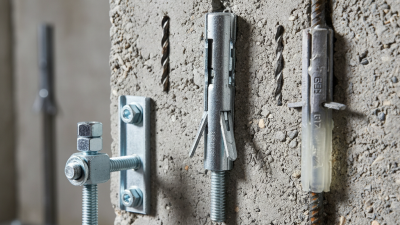
Expandable anchors, such as wedge anchors, fit tightly into drilled holes. They are reliable but may require specific drilling techniques to avoid errors.
Adhesive anchors offer versatility. However, they need proper surface preparation for optimal performance. Each type of anchor has its strengths and weaknesses, which can impact your project.
Be aware that installation can be challenging. Mistakes in placement or type selection can lead to failure. Conduct thorough research before proceeding. Choose anchors that match your specific needs. Good anchors will ensure safety and durability in your projects, reflecting your understanding of the task at hand.
Types of Concrete Wall Anchors Available
When it comes to securing items to concrete walls, selecting the right anchor is vital. Several types of concrete wall anchors are available. Each serves a specific purpose based on weight, application, and wall condition.
Expansion anchors, like wedge and sleeve anchors, are common choices for heavy loads. They expand as they are tightened, ensuring a firm grip. A study by the Construction Industry Institute shows that using the correct expansion anchor can increase load-bearing capacity by up to 30%.
For medium loads, concrete screws or masonry screws are effective alternatives, known for their ease of installation. Their design allows for direct engagement with the concrete, requiring no additional plugs.
For lighter applications, adhesive anchors provide good options. They utilize epoxy or other adhesives to bond the anchor within the concrete. This type is particularly useful in situations where less invasive methods are preferred. However, it's essential to note that performance can vary with temperature changes, as reported in a comprehensive study by the American Concrete Institute. Proper selection and application of these anchors can significantly impact overall project longevity and safety.
Factors to Consider When Choosing a Concrete Anchor
When selecting a concrete wall anchor, several factors must be considered to ensure maximum effectiveness. The load requirements are critical. Understand the weight the anchor needs to support. This weight will determine the type of anchor required. If you're unsure, consult guidelines or professionals.
The environment plays a vital role too. Is the anchor for indoor or outdoor use? Outdoor anchors face moisture and temperature extremes. Choose anchors that can withstand these conditions to avoid failure over time. Material also varies; some are made of plastic, while others use metal. Each serves a different purpose.
Finally, consider the installation process. Some anchors require specialized tools. Others are straightforward and can be installed with basic equipment. Look for instructions that match your skill level. A well-chosen anchor provides peace of mind, but poor choices can lead to dangerous situations. Always seek reliable sources to guide your decision-making.
Concrete Wall Anchors: Types and Load Capacities
Installation Steps for Concrete Wall Anchors
Installing concrete wall anchors can seem daunting, but following clear steps can simplify the process. Begin by gathering the right tools: a hammer drill, the correct drill bits, and a level. Mark the exact spot where you want to place the anchor. It’s essential to ensure this location is straight and fits your project needs.
Next, drill a hole into the concrete wall. The diameter should match the size of the anchor being used. Ensure the depth is appropriate as well; a shallow hole won't provide adequate support. After drilling, clean out any dust from the hole. This step is crucial as debris can affect the anchor’s grip.
Insert the anchor into the hole. It should fit snugly. Use a hammer to tap it in place if needed. Finally, attach your item to the anchor. Tightening screws must be done carefully. An overly tight screw can crack the anchor or wall. If done right, your installation should hold well, but reflecting on the process helps improve future projects. Did the anchor feel secure? Were adjustments necessary? Each installation offers learning moments.
What is a Concrete Wall Anchor and How to Choose the Right One? - Installation Steps for Concrete Wall Anchors
| Anchor Type |
Load Capacity (lbs) |
Installation Method |
Applications |
| Expansion Anchor |
100 - 200 |
Drill, Insert, Tighten |
Heavy shelving, Racking systems |
| Sleeve Anchor |
250 - 500 |
Drill, Insert, Tighten |
Machinery, Heavier wall mounts |
| Concrete Screw |
80 - 150 |
Drill, Screw in |
Light fixtures, Electrical boxes |
| Chemical Anchor |
500+ |
Drill, Inject epoxy, Insert anchor |
Bracing, Structural supports |
| Toggle Bolt Anchor |
30 - 150 |
Drill, Insert bolt, Expand toggle |
Hanging items from walls |
Common Applications of Concrete Wall Anchors
Concrete wall anchors serve various purposes. They are essential for securing heavy objects to concrete surfaces. Common applications include mounting shelves, installing cabinets, and anchoring outdoor equipment. These tasks require strong and durable solutions to withstand weight and stress.
When choosing the right anchor, consider the specific application. For light loads, plastic anchors may suffice. However, for heavier items, metal anchors are more reliable. The installation environment also matters. When working outdoors, opt for corrosion-resistant options. This choice ensures longevity and stability, especially in changing weather conditions. Even with the right choice, always verify that the wall can support the load.
Tips: Before installation, drill a test hole to check the wall’s condition. This helps avoid any pitfalls. It is also wise to read the instructions carefully. A common mistake is underestimating the weight capacity. Double-check measurements to prevent mishaps that could lead to damage or injury. Concrete anchors can be a practical solution when chosen thoughtfully.