How to Choose the Right Lock Washer for Your Needs?
Choosing the right lock washer can seem daunting. With various types available, understanding their unique features is key. A lock washer's primary job is to prevent fastening from loosening due to vibrations. However, not all lock washers are created equally.
Consider the specific application. For instance, flat lock washers work well under low load conditions. In contrast, split lock washers offer better grip under high torque. The material also matters; stainless steel offers corrosion resistance, while carbon steel might be more affordable but less durable. It's crucial to understand the environment where the washer will be used.
Many people overlook the importance of selecting the appropriate lock washer. This choice impacts the longevity and reliability of the entire assembly. A misstep here can lead to failures over time. Educating yourself about these options ensures you make informed decisions.
Types of Lock Washers and Their Applications
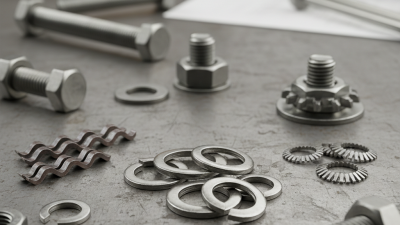
When selecting a lock washer, consider the various types available and their specific applications. The most common types include split lock washers, tooth lock washers, and flat washers. Each type serves a unique purpose in preventing nut and bolt loosening.
Split lock washers are ideal for vibration-resistant applications. Their helical shape grips the fastening surface. This design helps to maintain tension and prevent slippage. However, they may not always work in high-temperature environments. Tooth lock washers, on the other hand, have sharp edges that dig into the surfaces of both the nut and the bolt. This ensures a secure hold, especially in applications with heavy machinery. Yet, this can damage softer materials.
Flat washers provide a larger surface area, distributing load evenly. They are versatile and useful in various settings. They may not be the best choice for preventing loosening without additional locking mechanisms. It’s essential to assess the specific needs of your project before making a choice. Consider the materials involved and environmental factors. Future-proofing your selections is key, but be aware that no solution is entirely fail-safe.
Types of Lock Washers and Their Applications
Factors to Consider When Selecting a Lock Washer
When selecting a lock washer, several key factors come into play. Understanding your specific application is crucial. Different environments may require different materials. For example, stainless steel lock washers are excellent for outdoor use due to their corrosion resistance. However, if cost is a major consideration, you might lean toward zinc-plated options, which offer moderate protection at a lower price point.
Another important factor is the size and type of fastener you are using. Studies indicate that mismatched sizes can lead to inadequate locking, increasing the risk of failure. For instance, a study by the Fastener Quality Act noted that improper fit could reduce the effectiveness of a lock washer by upwards of 30%. This is a significant concern for sectors relying on mechanical integrity.
Tips: Always match the washer size to the bolt diameter. Test in a controlled environment to assess performance. Monitor your applications regularly for signs of wear.
Lastly, consider the type of lock washer that fits your project requirements. Split, tooth, and wave washers all serve different purposes. Tooth washers grip the surface better than split washers but may cause more damage to softer materials. Making an informed choice is essential to ensure reliability and safety in your projects.
Material Choices for Lock Washers and Their Benefits
When it comes to choosing lock washers, material plays a crucial role.
Lock washers are designed to prevent loosening caused by vibration and torque. Common materials include
steel, stainless steel,
and plastic. Each offers unique benefits and drawbacks.
Steel washers are durable and cost-effective. They resist deformation
but can rust over time. Stainless steel washers, on the other hand, provide
excellent corrosion resistance. They are ideal for outdoor or marine applications, though they come at a
higher price. Plastic washers are lightweight and resistant to chemicals,
appealing for specific applications, but they may not withstand heavy loads well.
Consider your environment and application. Will moisture be a factor? Is weight a concern? Reflecting on these
questions can guide your choice. Remember, the right material enhances performance, but it also requires
careful consideration of its properties and limitations.
Installation Tips for Effective Use of Lock Washers
When installing lock washers, the correct technique is vital for ensuring a reliable fastening. Proper placement is key. The lock washer must fit snugly under the nut or bolt head, preventing it from loosening due to vibration. According to industry data, a correctly installed lock washer can reduce the risk of failure by up to 35%. This emphasizes the importance of installation methods.
Using the right tools is essential during the installation process. Hand tools must be well-maintained to prevent slippage. Many professionals recommend a torque wrench for precise tightening. This prevents over-tightening, which can lead to washer deformation. A misaligned washer can compromise its effectiveness. Always double-check your alignment after tightening.
In some cases, improper materials may lead to performance issues. For example, using a steel washer in a corrosion-prone environment can cause failure. Experts suggest examining the washer condition regularly, especially in high-vibration applications. It's valuable to reflect on your installation practices and make adjustments as needed. Every detail matters in achieving optimal performance.
Common Mistakes to Avoid When Choosing Lock Washers
Choosing the right lock washer can be confusing. Many people overlook important details that can affect their choice. One common mistake is selecting a washer based solely on appearance. A shiny surface may look appealing but offers no guarantee of performance. It's essential to consider the material and thickness of the washer. These factors significantly impact durability and effectiveness.
Another mistake is ignoring the specific application. Using a generic lock washer in critical areas can lead to failures. For instance, in high-vibration environments, a specialized washer may be necessary to prevent loosening. Additionally, not assessing the load requirements can result in inadequate support.
Finally, people often overlook the manufacturer's guidelines. Ignoring these recommendations can lead to improper installation. Each washer type has its intended use, and adhering to these specifications ensures reliable performance. A careful review of these factors helps avoid costly mistakes in fastening applications.
How to Choose the Right Lock Washer for Your Needs? - Common Mistakes to Avoid When Choosing Lock Washers
| Type of Lock Washer |
Material |
Typical Use |
Advantages |
Common Mistakes to Avoid |
| Flat Washer |
Steel |
General applications |
Uniform load distribution |
Using without a locking mechanism |
| Split Lock Washer |
Carbon Steel |
Machinery and vehicles |
Prevents loosening under vibration |
Using on soft materials |
| Tooth Lock Washer |
Stainless Steel |
Electrical connections |
High grip and resistance to turning |
Neglecting environmental factors like corrosion |
| Belleville Washer |
Alloy Steel |
Heavy-duty applications |
Adjustable tension and load capability |
Choosing wrong load capacity |
| Locking Nylon Washer |
Nylon |
Electrical components |
Non-conductive, lightweight |
Using at high temperatures |