How to Choose the Right Lock Washer for Your Needs?
Choosing the right lock washer is crucial for creating reliable connections in mechanical assemblies. According to expert John Smith, a leading authority in fastening solutions, "Selecting the correct lock washer can prevent failure in your projects." Lock washers are essential for maintaining tension and preventing loosening under vibration.
Many might think all lock washers serve the same purpose, but this is not the case. Various types exist, each designed for specific applications. For instance, split lock washers provide excellent gripping power, while wave lock washers offer flexibility. Understanding these differences can save time and resources.
In practice, choosing a lock washer often involves trial and error. You may pick one based on general knowledge, but that does not guarantee success. It's vital to consider factors such as load, environment, and material compatibility. A choice made without careful thought could lead to misaligned components or unexpected failures. Avoiding this can enhance the longevity of your projects.
Understanding the Different Types of Lock Washers Available
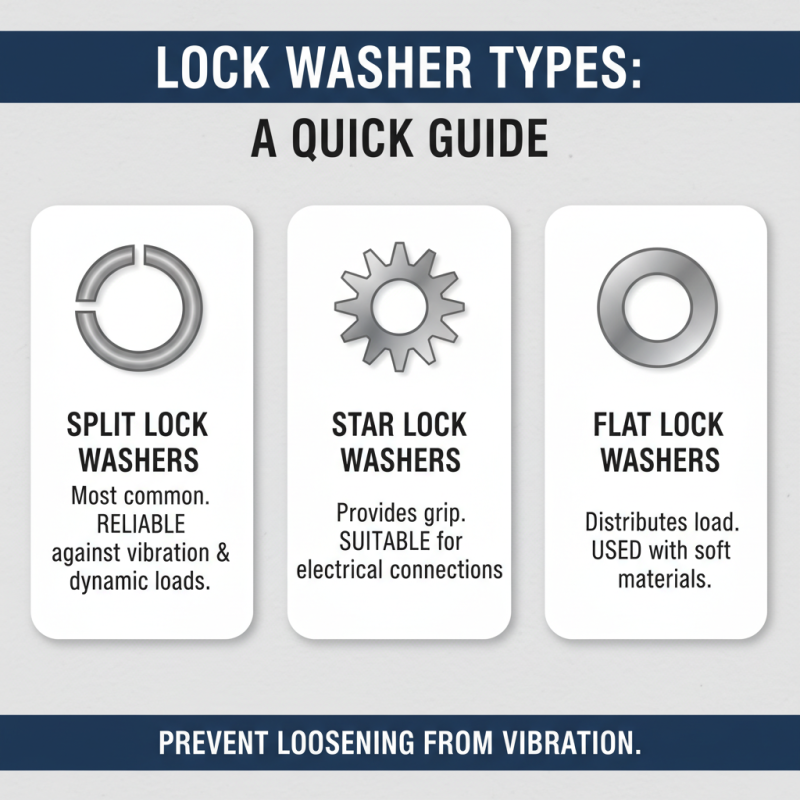
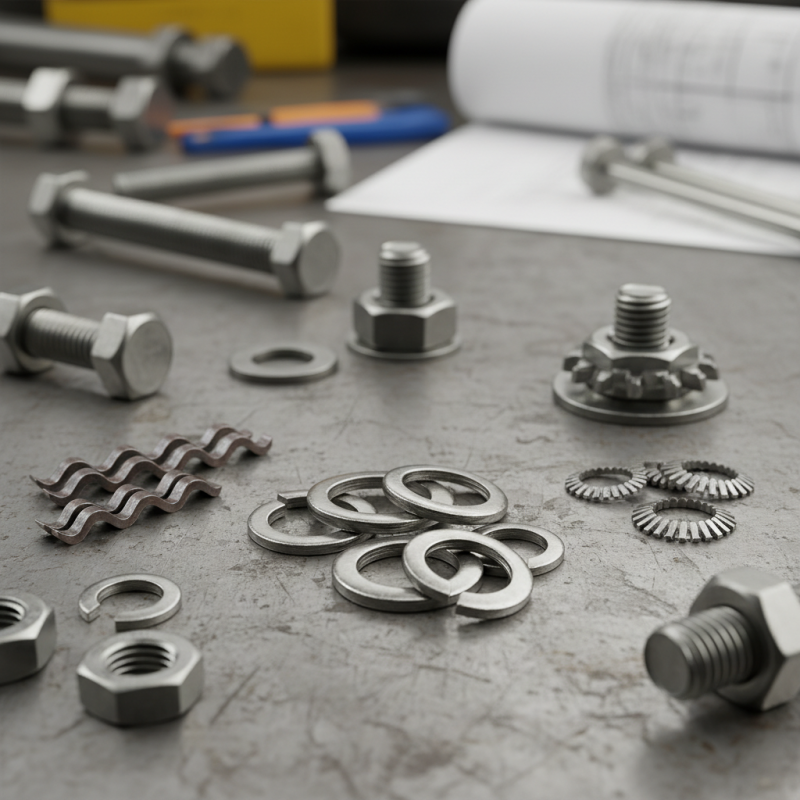
When choosing the right lock washer, understanding the types available is crucial. Lock washers prevent loosening from vibration. They come in various shapes and materials, each serving specific needs. Common types include split, star, and flat lock washers. A recent industry report indicates that split lock washers are widely used due to their reliability in preventing bolt loosening under dynamic loads.
Split lock washers are effective because they create tension when installed. This tension stabilizes the connection. Star lock washers, on the other hand, feature pointed teeth that dig into the surface, providing a firmer grip. In contrast, flat lock washers, although simple, may not offer the same effectiveness in high-vibration environments. A survey conducted by a leading manufacturing association found that 70% of professionals prefer split or star washers for their higher performance ratings.
Choosing the wrong lock washer can lead to equipment failure. For example, in high-stress applications, using flat wash washers may not be ideal. A mechanical engineer once noted that even small design flaws, such as incorrect washer selection, could result in significant operational disruptions. It’s essential to evaluate your specific requirements before making a choice. Understanding different types ensures that your application remains secure and functional.
Evaluating Material Options for Lock Washers: Pros and Cons
When selecting lock washers, understanding the material options is crucial. Common choices include steel, stainless steel, and nylon. Each has unique pros and cons that affect performance. Steel lock washers are strong and cost-effective but may corrode without a protective coating. In contrast, stainless steel offers superior corrosion resistance. However, it tends to be more expensive.
Nylon lock washers are lightweight and resistant to chemicals. Their elasticity can help absorb shock loads. But, they may not handle high temperatures as well as metal options. A study by the Fastener Quality Act shows that incorrect material choice can lead to fastener failure and safety hazards.
Tip: Consider your application environment when choosing material. If corrosion is a concern, stainless steel could be your best bet. For high-impact applications, look into steel options.
In evaluating lock washer suitability, factors like load, temperature, and exposure to elements are key. Each choice comes with trade-offs. It’s essential to weigh these aspects carefully. Rely on expert reports and data to guide your decision. Doing so could save time and costs in the long run.
Determining Load and Stress Requirements for Your Application
Selecting the correct lock washer for your application is crucial. Understanding load and stress demands helps ensure reliability. Various types of lock washers exist, each with distinct properties for varied applications. This decision affects performance and durability.
When determining load requirements, consider the weight and tension the washer will bear. Obtain specifics on the load capacity for each type. Pay attention to factors that may influence the washer's ability to maintain grip under vibration. Sometimes, even a small variation in design can lead to failure in high-stress situations.
Tips: Perform tests under controlled conditions to evaluate performance. Always check the manufacturer's guidelines for recommended uses. Consider consulting an expert to ensure optimal choices for your needs. Taking these steps reduces the risk of costly mistakes or failures.
Tips for Proper Installation and Maintenance of Lock Washers
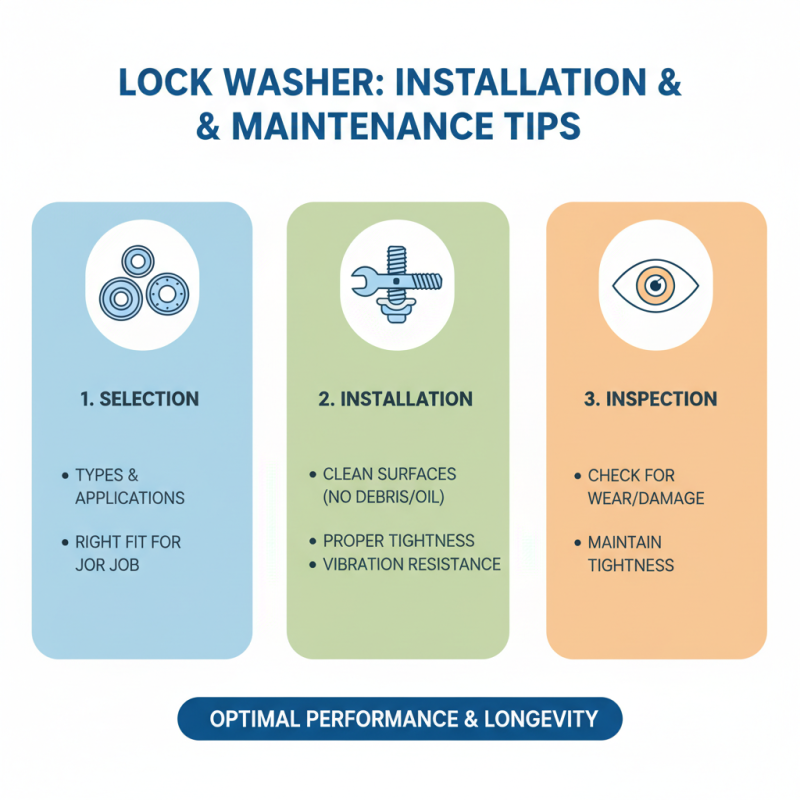
Choosing the right lock washer involves understanding various types and their applications. Proper installation is crucial to achieving the desired tightness and vibration resistance. Make sure to inspect the surfaces of the materials before applying the lock washer. Any debris or oil can lead to poor contact, which undermines the washer’s effectiveness.
When installing, the lock washer should be placed under the bolt head or nut. Ensure the pointed ends grip the surface firmly. This makes a significant difference in securing your connection. It’s common to forget this step, but attention to detail here can prevent future issues. After installation, check the nuts and bolts periodically. Vibration can loosen them over time, so regular checks are necessary.
Maintenance of lock washers is often overlooked. They can deform or lose effectiveness over time. If you notice any signs of wear, replace them immediately. Ignoring this can lead to serious equipment failure. Keeping a maintenance schedule helps in prolonging the life of your assembly. Remember, it’s the small details that make a big difference in overall performance.
Common Mistakes to Avoid When Choosing Lock Washers
Choosing the right lock washer may seem simple, but many make frequent mistakes. A common error is not understanding the specific application. Different projects require washers with distinct characteristics. For instance, in heavy machinery, using the wrong type can lead to mechanical failure.
Another typical misstep is overlooking material compatibility. Washers come in various materials like steel, plastic, and rubber. Using a washer not resistant to corrosive substances can lead to premature wear. It's crucial to evaluate the environment where the washer will be used.
Tips: Always consult with a professional if you're unsure. Look for reliable sources that provide detailed information on washer specifications. Relying on manufacturers' guidelines can greatly reduce the chance of errors. Pay attention to sizes and ensure proper fit to avoid slippage.
Another potential pitfall is ignoring the installation process. Improper installation can diminish the functionality of any lock washer. Be mindful of torque specifications during assembly. This small detail can make a significant difference in performance.