Company News

2026 Top Hook and Eye Latch Types for Buyers

Choosing the right Hook And Eye Latch starts with the job it must do. A small brass latch may suit a cabinet or garden gate, while a heavier steel model can better handle a wide shed door. Appearance matters, but fit and movement matter more. Check the eye diameter, hook length, mounting-hole spacing, and door clearance before comparing prices. Small details matter.

This 2026 buyer’s guide introduces common options, including screw-in, plate-mounted, adjustable, and locking hook-and-eye designs. It also explains how materials, finishes, and installation conditions affect everyday performance. A latch exposed to rain or damp air may need corrosion-resistant hardware; a frequently used gate may benefit from a stronger mounting plate and secure fasteners. Those are practical starting points, not guarantees. The door, frame, and expected use all change the choice.

No single style suits every project. Some products look nearly identical online, yet differ in size, metal thickness, or how firmly the hook stays seated. That can be easy to miss. Buyers should compare product dimensions and load guidance from the manufacturer, then confirm that the latch works smoothly after installation. A little extra checking can prevent a loose fit or awkward reach. Even then, real-world conditions may reveal something the product page did not. This guide offers a clear way to assess the options and make a more informed purchase.
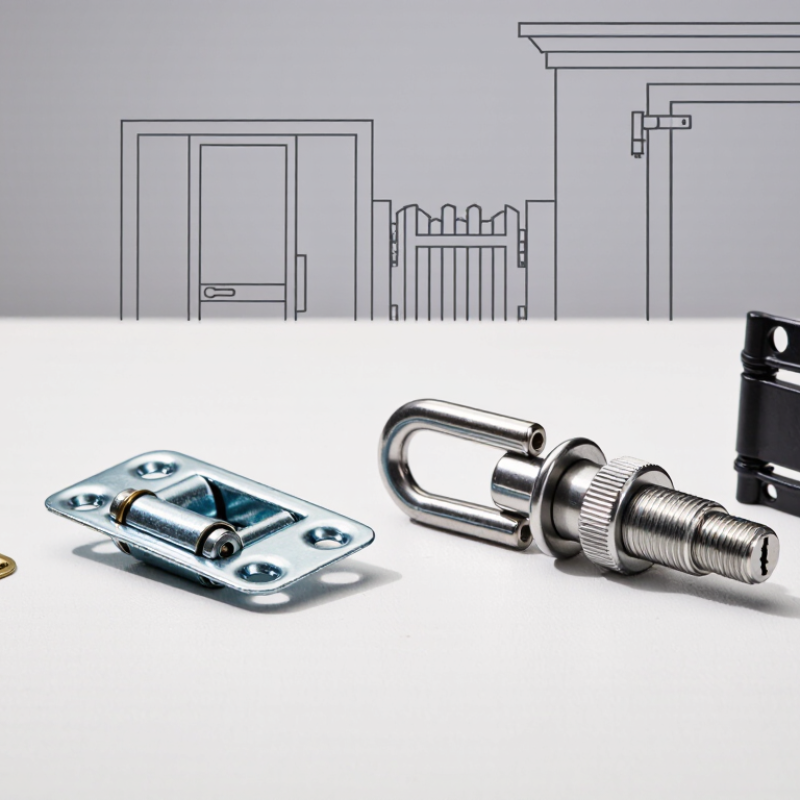
2026 Top Hook and Eye Latch Types for Buyers

What Hook and Eye Latches Are and How They Work

A hook and eye latch is a simple fastener made from two parts: a curved hook and a small ring, or eye. One part attaches to a door, gate, cabinet, or lid; the other is fixed to the adjoining frame. When the hook swings into the eye, it holds the two surfaces together. Simple, but not foolproof.

In use, the hook usually pivots on a screw or small hinge. The eye may be a loop or a slotted plate, depending on the design. A person closes the panel, guides the hook into the eye, and checks that it sits securely. The latch works best when both parts line up and the mounting screws grip solid material. Even a few millimeters of misalignment can make the hook catch awkwardly or slip free. I have found that this small detail is easy to overlook during installation.

These latches are commonly used where quick, visible fastening is more useful than a tight seal. They can keep a cupboard door shut or hold a garden gate in position, but they do not automatically provide a secure lock. Choose a size suited to the panel and expected movement, and consider moisture if the latch will be outdoors. A light latch on a heavy gate may bend over time. That trade-off is not always obvious from appearance alone.
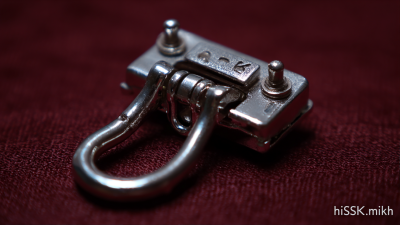
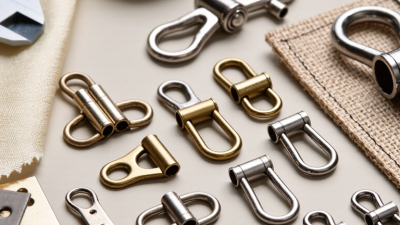
2026 Top Hook and Eye Latch Types for Buyers — What Hook and Eye Latches Are and How They Work

How they work: A hook engages an eye or keeper to hold two parts together; lifting or moving the hook releases them. The chart compares typical design features, not strength or performance. Designs can vary by manufacturer and model.

主要 Types of Hook and Eye Latches Available in 2026

In 2026, buyers can choose from several hook and eye latch types, each suited to a different opening and load. A standard screw-eye hook works for light gates, cupboard doors, and simple closures. A cabin hook holds doors or shutters open, while a safety hook adds a retaining catch to reduce accidental release. Spring-loaded versions close automatically; adjustable models help accommodate small alignment changes. They are not interchangeable.

The U.S. Census Bureau estimated total U.S. construction spending at $2.154 trillion in 2024, up 6.5% from 2023. This broad construction indicator is not a latch-sales measure, but it shows why hardware selection matters across many building projects. For exposed locations, check the manufacturer’s material and corrosion-test details; ASTM B117 describes a salt-spray test, but passing it alone does not predict service life. Match the latch’s rated load to the actual use, and consider how often it will be operated.

Tips: Measure the gap and mounting surface before ordering. Check screw length, hook clearance, and whether the latch can be reached from both sides. A neat fit can still fail if the frame flexes. When unsure, choose a more secure retaining style and test the installed latch under normal use.

2026 Top Hook and Eye Latch Types for Buyers – Main Types of Hook and Eye Latches Available in 2026

Latch type How it works Common applications Common materials Buyer considerations
Standard surface-mounted hook and eye A hook fixed to one surface engages an eye fixed to the adjoining surface. Cupboard doors, small gates, screens, and light interior doors. Steel, stainless steel, brass, or other plated metals. Simple and easy to operate, but usually provides basic closure rather than high security. Check the mounting surface and screw compatibility.
Screw-in hook and eye A threaded hook and matching eye screw directly into a suitable substrate. Light-duty gates, cabinet closures, utility spaces, and simple indoor fastenings. Commonly steel or stainless steel. Choose a screw length and thread suited to the material. Thin or brittle surfaces may need reinforcement or a different fixing method.
Cabin hook A pivoting hook engages a separate eye or staple to hold a door or panel open or closed. Cabinets, sheds, gates, shutters, and doors that need to be held open. Steel, stainless steel, and brass-finish metals. Confirm the hook length, eye position, and available swing clearance. A basic cabin hook can disengage if bumped or if the installation is misaligned.
Safety cabin hook A spring clip or retaining feature helps keep the hook engaged with its eye. Gates, doors, and panels where accidental release should be reduced. Often steel or stainless steel, with a spring component. Useful where vibration or incidental contact may move a plain hook. Check that the retaining clip operates freely and suits the exposure conditions.
Gate hook and eye A relatively robust hook engages an eye or staple mounted on the gate frame or post. Garden gates, outbuildings, and light-duty external closures. Galvanized steel, coated steel, or stainless steel. Match the fixing method to the gate and post materials. For outdoor use, consider corrosion resistance and routine maintenance; this style is not a substitute for a lock where security is required.
Forged or heavy-duty hook and eye A larger, heavier hook-and-eye assembly provides a more substantial mechanical connection than light cabinet hardware. Heavy gates, barn doors, and utility doors, when the product is rated for the intended use. Typically steel, with protective finishes available for some products. Verify the manufacturer’s load and installation information rather than judging capacity by appearance. Use suitable fasteners and sound structural backing.
Marine-grade stainless hook and eye A hook-and-eye closure made with corrosion-resistant stainless components. Coastal locations, boats, and other damp or corrosive environments, subject to product suitability. Stainless steel; grade varies by product. Check the specified stainless-steel grade and care guidance. Salt exposure and dissimilar-metal contact can still affect hardware over time.

Selection note: Hook-and-eye latches generally provide simple mechanical fastening, not keyed security. Confirm dimensions, fixing points, substrate, exposure conditions, and any stated load rating before purchase.

How Materials and Design Affect Latch Performance

Hook-and-eye latches look simple, but material and geometry determine how reliably they hold. Stainless steel suits damp settings because it resists rust, while plated carbon steel can be a practical choice indoors. However, thin plating may wear at contact points. Check the hook wire thickness, eye shape, and mounting screws together. A strong latch can still loosen if its screws pull from soft wood.

Design affects fit under real use. A tight eye can bind when a gate shifts; a loose one may rattle under vibration. The NACE International IMPACT study estimated global corrosion costs at US$2.5 trillion annually, or 3.4% of global GDP, and noted that corrosion-control practices could reduce costs by 15–35%. This broad industry estimate is not a latch-specific test, but it shows why material protection deserves attention. Small parts matter. Still, corrosion resistance alone does not prove a latch is suitable for a particular load.

Tips: Match the finish to the environment, then test the latch on the actual frame. Open and close it repeatedly, checking for rubbing, screw movement, and visible wear. Ask suppliers for material details and load-test conditions; ratings can be hard to compare when methods differ. A little uncertainty remains unless the installed assembly is tested.

How to Choose the Right Hook and Eye Latch for Your Project

2026 Top Hook and Eye Latch Types for Buyers

How to Choose the Right Hook and Eye Latch for Your Project

Start with the job, not the finish. A light spring hook may suit a cupboard or small access panel, while a screw-in eye and hook can better serve a gate that needs regular opening. Check the pull direction, expected load, mounting material, and available clearance. A latch fitted to thin timber may loosen even when its metal parts seem strong. Small details matter. For a useful first check, fit a sample and open it repeatedly; a few hand pulls are not a formal load test.

Corrosion deserves equal attention outdoors or near moisture. ISO 9223:2012 classifies atmospheric corrosivity using first-year metal corrosion rates; for carbon steel, its C3 range is over 25 to 50 micrometres per year. That figure describes the environment, not a latch’s service life, but it helps flag when plain steel may be a poor choice. Compare plated steel and stainless steel against the exposure, then check the supplier’s test method and material grade. ASTM B117 salt-spray testing can compare specimens under controlled conditions, but it does not directly predict years of field use. A specification can look tidy on paper and still miss how your gate sags or how often the latch gets slammed. Test the real mounting setup where possible.

Installation, Inspection, and Maintenance Considerations

2026 Top Hook and Eye Latch Types for Buyers

Installation starts with the load and the mounting surface. Choose a latch sized for its intended use, and do not assume appearance indicates capacity. Check that the hook and eye align without forcing either part. Use fasteners suited to the door or frame material, and tighten them firmly without crushing or splitting the surface. A common oversight is leaving too little clearance for movement.

Tips: Close the latch several times after fitting. It should engage smoothly, with no bending or scraping. Recheck screw tightness after initial use.

Inspect the latch periodically for loose fasteners, distortion, sharp wear marks, and corrosion, especially in damp or dusty locations. A small amount of compatible lubricant may help a stiff moving joint; wipe away excess to avoid collecting grit. Replace parts that are cracked, badly worn, or no longer hold securely. Even a careful installation may need adjustment as a door settles. If the latch restrains a heavy or safety-critical load, use hardware specifically rated for that application and follow its installation guidance.