Why Choose Weld Studs for Your Next Project?
In the construction and manufacturing industries, the choice of fastening methods can significantly impact project success. Weld studs, a preferred choice for many professionals, offer a range of benefits. Renowned welding expert Dr. John Miller states, “Weld studs provide unmatched reliability and strength, making them integral to efficient assemblies.” This highlights the importance of selecting the right materials for durability.
Weld studs can simplify the joining process. They allow for quick attachments, which can save time on complex projects. These studs are often chosen for their ability to create solid bonds that withstand high stress. However, not all applications may benefit from weld studs. It's essential to assess project requirements carefully.
While many see the efficiency of weld studs, some may overlook potential challenges. Incorrect installation could lead to weak connections. A project manager must ensure proper training and technique are in place. Emphasizing expertise in weld stud applications can prevent costly mistakes. Overall, focusing on quality and reliability is crucial for enhancing project outcomes.
Benefits of Using Weld Studs in Construction and Manufacturing
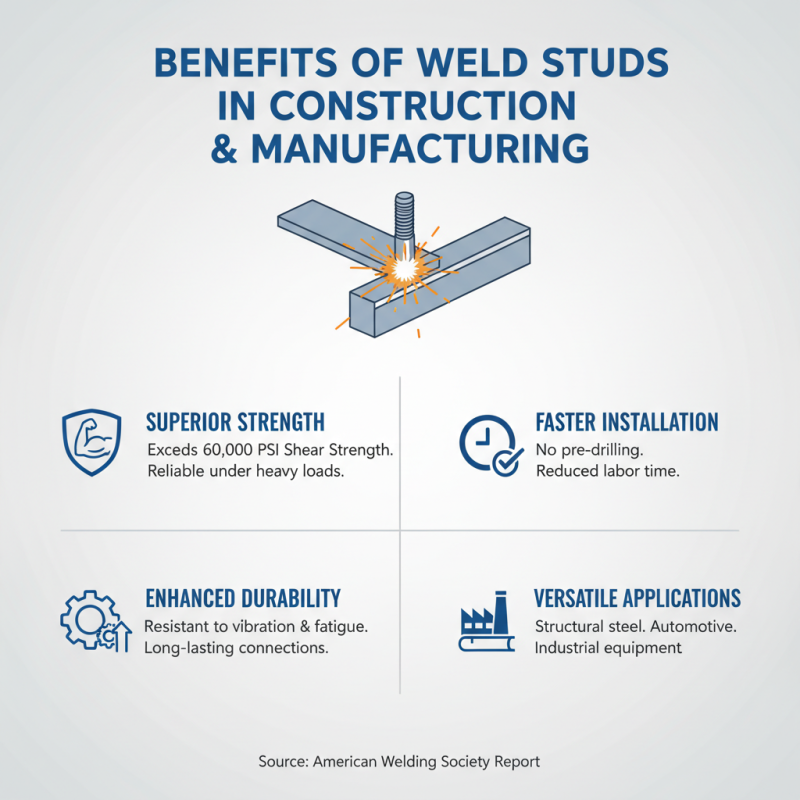
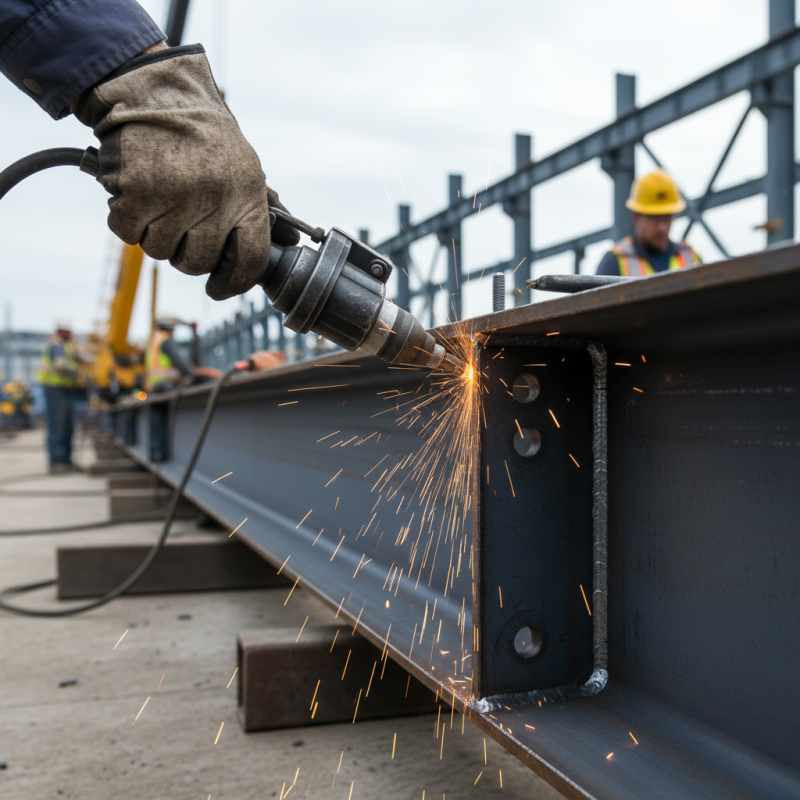
Weld studs have become a preferred choice in construction and manufacturing due to their numerous advantages. These fasteners offer excellent strength and durability, making them suitable for various applications. According to a report by the American Welding Society, the weld stud connection has a shear strength that can exceed 60,000 psi. Such robust performance ensures reliability under heavy loads.
In addition to strength, weld studs save time and labor costs. They can be installed quickly, reducing overall project timelines. A study by Construction Industry Institute indicates that using weld studs can shorten project schedules by up to 30%. This efficiency is critical in projects with tight deadlines.
But not all weld studs are created equal. Quality control is essential to ensure optimal performance. Variations in manufacturing processes can lead to inconsistent results. Regular inspections and adherence to welding standards can prevent potential failures. Designers and engineers must ensure specifications are met, reinforcing the importance of expertise in selecting the right fasteners for each project.
Comparison of Weld Studs to Other Fastening Methods
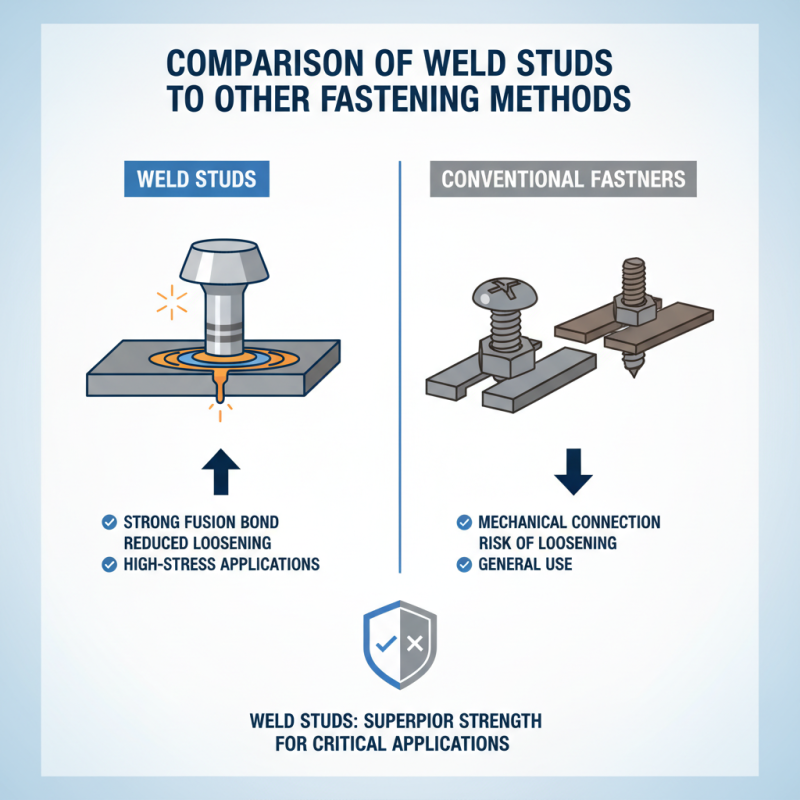
When considering fastening methods, weld studs stand out for several reasons. Their primary advantage is the strong bond they create. Unlike conventional screws or bolts, weld studs fuse directly to the base material. This fusion process results in reduced risk of loosening over time. For high-stress applications, this inherent strength is invaluable.
Other methods, such as adhesives and rivets, present limitations. Adhesives can degrade in extreme temperatures. Rivets often require access from both sides, complicating the installation process. While weld studs demand specialized equipment and skills, the reliability they provide often outweighs the initial investment. Their unique ability to work on a variety of substrates adds to their appeal.
However, the welding process can lead to thermal distortion if not managed properly. This potential drawback emphasizes the need for skilled professionals. In some projects, alternating fastener types might be necessary to achieve the best results. Exploring different methods is essential when selecting the appropriate fastening solution for specific needs. Each project has unique challenges that require thoughtful consideration.
Applications of Weld Studs in Various Industries
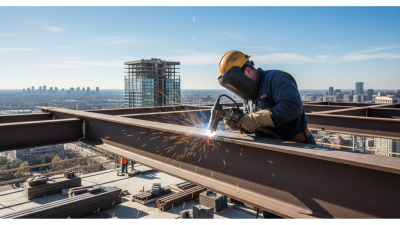
Weld studs are versatile components used in many industries. They provide a strong attachment point for various materials. Common applications include construction, automotive, and manufacturing. In the construction sector, weld studs are crucial for securing metal decks. This enhances the overall stability of structures.
In the automotive industry, weld studs are commonly used for attaching components to frames. This method ensures high strength and durability. Additionally, manufacturers often use weld studs for electrical grounding. This application is vital for safety and performance.
Despite their benefits, there are challenges. Proper technique is essential for a strong weld. An inexperienced welder may produce weak joints. Inspection processes can be time-consuming, and defective studs lead to costly repairs. Companies must invest in training and equipment for optimal results. This highlights the importance of ongoing education in welding practices.
Application of Weld Studs Across Industries
Best Practices for Choosing and Installing Weld Studs
When it comes to using weld studs, understanding best practices can greatly influence your project's success. Choose weld studs that suit your specific material and thickness. Consider the environment as well. High temperatures and moisture can alter your choice. Accurate measurements during installation are crucial. Misalignment leads to weak joints. Take time to plan for these factors.
Weld stud installation requires attention to detail. Preparing the surface is essential. A clean area promotes better adhesion. Ensure that all materials are free from dust and contaminants. Practice makes perfect, especially when handling the welding equipment. It's easy to overlook safety precautions. Never skip protective gear or safety checks. This can lead to accidents that compromise the whole project.
Communication with your team members is also vital. Each person should understand their role in the installation process. Miscommunication can lead to errors. Once the studs are in place, inspect them thoroughly. Look for any signs of improper welding or misalignment. Early detection can save time and resources. Reflect on what worked and what didn't for future projects. Learning from each experience is key.
Common Challenges and Solutions When Using Weld Studs
Weld studs are essential in many construction projects, offering strong connections. However, using them can present challenges. One common issue is poor alignment during welding. Misalignment may lead to weak joints, risking structural integrity. To solve this, ensure proper positioning and use fixtures to hold the studs in place.
Another challenge is controlling heat input. Excessive heat can damage surrounding materials. It’s crucial to adjust your welding technique according to the materials involved. Testing on scrap pieces can help refine your method.
Qualifying the welders is also vital. Inexperienced welders may struggle with specifics, leading to inconsistent results. Regular training sessions improve skill levels. Remember, consistent monitoring and adjustments are key to successful weld stud applications. These practices foster reliability in your projects.
Why Choose Weld Studs for Your Next Project? - Common Challenges and Solutions When Using Weld Studs
| Challenge |
Description |
Common Solutions |
Recommended Practices |
| Incorrect Alignment |
Improper positioning of weld studs can lead to weak joints. |
Use alignment tools to ensure accuracy. |
Perform a test weld to verify alignment before full assembly. |
| Heat Management |
Excessive heat can distort materials or weaken welds. |
Monitor and control temperature during the welding process. |
Use heat sinks or cooling methods to manage heat. |
| Material Compatibility |
Different materials may not bond well, leading to failure. |
Test compatibility of metals before starting the project. |
Consult with a metallurgist for guidance on material pairings. |
| Surface Preparation |
Dirty or uneven surfaces can affect weld quality. |
Ensure surfaces are clean and free of contaminants. |
Use abrasive cleaning methods when necessary. |
| Equipment Calibration |
Improperly calibrated equipment can lead to inconsistencies. |
Regularly check and calibrate welding equipment. |
Maintain a routine inspection schedule. |