Top 10 Neoprene Washers for Your Sourcing Needs?
In the world of manufacturing and assembly, Neoprene Washers play a pivotal role. Industry expert John D. Smith, a materials engineer with over a decade of experience, once noted, "The right washer can make or break your project." This highlights the essential nature of choosing the appropriate Neoprene Washers for various applications, from plumbing to automotive.
These washers provide excellent sealing properties, durability, and resistance to harsh environments. They are used widely in diverse industries, ensuring that products function correctly and securely. However, not all Neoprene Washers are created equal. Variations in quality, size, and type can affect your project's success. A careful assessment of specific needs is crucial.
Choosing the best Neoprene Washers can sometimes feel overwhelming. With many options available, it’s easy to overlook critical details. Some products may lack durability or proper sizing. Others might not hold up in extreme conditions. Reflecting on these choices is essential to avoid potential failures in your project. This article aims to guide you through the top selections in Neoprene Washers, focusing on quality and reliability.
Overview of Neoprene Washers and Their Applications
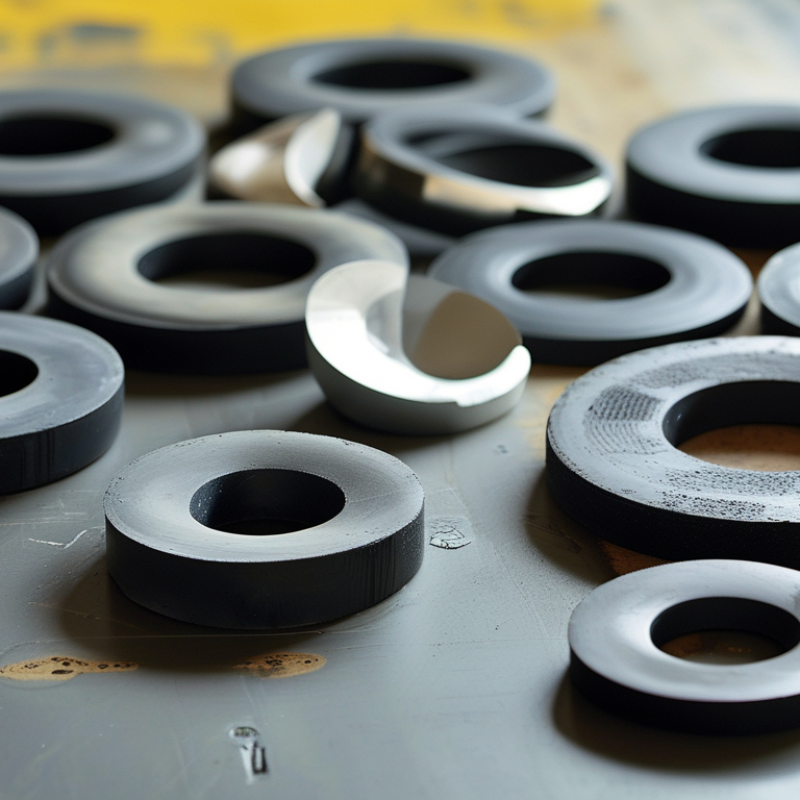
Neoprene washers are versatile components widely used in various industries. Made from synthetic rubber, they provide excellent resistance to oil, water, and chemicals. These washers serve as gaskets, helping to create seals in plumbing, electrical, and automotive applications. Their durability and flexibility make them ideal for both indoor and outdoor use.
Choosing the right neoprene washer requires understanding your specific needs. Consider the size, thickness, and type of application. Using washers that are too large may lead to leaks, while those that are too small may not secure the connection properly. Take note of the temperature range, too; neoprene performs well in moderate conditions but can degrade in extreme environments.
When sourcing neoprene washers, it's essential to check for quality and certification. Look for suppliers who provide detailed specifications and testing results. This ensures you are getting a reliable product that meets your needs. It's better to invest in quality than to face unexpected failures down the line. Regularly evaluate your current suppliers to ensure they still meet your quality standards.
Key Features to Consider When Sourcing Neoprene Washers
When sourcing neoprene washers, several key features warrant careful consideration. One major aspect is the thickness. Thicker washers often provide better sealing capabilities. However, excessively thick washers can lead to difficulties during installation. Finding the right balance is essential for optimal performance.
Next, consider the durometer rating. This rating indicates the firmness of the neoprene material. Softer washers can compress easily, allowing for better fit. Conversely, harder washers offer durability under heavy loads. Testing different durometer levels can help in selecting the best option for specific applications.
Additionally, the temperature resistance of neoprene should be evaluated. Neoprene can withstand various temperatures but is not infallible. Too much heat or extreme cold can compromise its integrity. Awareness of the operating environment is critical in ensuring long-lasting usage. Always take time to assess these features closely before making a decision.
Top Manufacturers of Neoprene Washers in the Industry
Neoprene washers are essential components in various industries. Known for their excellent sealing properties, they help prevent leaks and resist environmental factors. Top manufacturers of neoprene washers focus on using high-quality materials to ensure longevity and reliability.
According to industry analysis, the global neoprene market is projected to grow by 4.8% annually, highlighting the demand for these products.
When sourcing neoprene washers, consider their thickness and hardness. Different applications require specific tolerances. The right combination ensures optimal performance. It's advisable to evaluate suppliers based on their quality control processes and material certifications.
Manufacturers with ISO standards often provide a higher level of reliability. Some challenges in sourcing include variations in manufacturing standards and inconsistent material quality. Regular audits of suppliers can help mitigate these issues.
Understanding the market trends and being aware of potential disruptions is crucial. As the industry evolves, staying informed will help make better sourcing decisions.
Comparative Analysis of Leading Neoprene Washer Products
When it comes to sourcing neoprene washers, a careful comparative analysis of available products is essential. Neoprene washers are favored for their resilience and versatility. They are commonly used in plumbing, automotive, and industrial applications due to their ability to withstand various environmental conditions. Evaluating their properties, such as thickness, temperature tolerance, and chemical resistance, is crucial when selecting the right product.
Different manufacturers offer neoprene washers with varying specifications. Some may have better durability under extreme temperatures, while others might excel in flexibility. Price points can also matter significantly. However, it's important to not prioritize cost over quality. While cheaper options may seem appealing, they could lead to performance issues or failures in critical applications, prompting reconsideration.
It's vital to analyze user reviews and product performance reports. Gathering feedback from professionals can provide insights into firsthand experiences. This approach offers a more reliable perspective on which neoprene washers truly deliver on their promises. Amid the countless choices, the decision should be guided by both empirical data and practical insights. Identifying the right neoprene washer requires a balance of performance metrics and real-world application success. The nuances between products often play a defining role in their effectiveness.
Tips for Effective Sourcing and Procurement of Neoprene Washers
Selecting neoprene washers requires careful sourcing to ensure quality and performance. When evaluating your options, consider the specific requirements of your projects. Look for washers that meet your desired specifications, such as size, thickness, and hardness. These factors greatly influence the effectiveness of the washer in various applications.
One key aspect of effective sourcing is establishing a reliable supplier network. Building relationships with reputable suppliers can enhance your procurement process. Request samples to assess the quality of the washers first-hand. This step can help avoid potential pitfalls. Relying solely on images or descriptions might lead to mismatches.
Another important consideration is industry standards. Ensure that the neoprene washers you choose comply with applicable regulations. Regularly reviewing supplier certifications can help maintain high standards. Inconsistent quality can affect your projects long-term. Establishing a checklist for sourcing can guide your decision-making. It encourages a more structured approach, reducing the risk of oversight.
Top 10 Neoprene Washers - Sourcing Efficiency
This chart represents the average prices of various sizes of neoprene washers, which can help in making effective sourcing decisions.