Top Stainless Steel Fasteners Benefits and Uses Explained?
Stainless Steel Fasteners are essential components in various industries. They offer a range of benefits that make them a preferred choice. Their strength and durability are unmatched. These fasteners resist corrosion and rust, making them ideal for outdoor use.
In construction, Stainless Steel Fasteners play a vital role. They secure structures, ensuring safety and longevity. In the automotive sector, these fasteners withstand harsh environments, protecting vehicle integrity. However, not all applications may benefit equally from their use.
Some may find cost a concern. Others might prefer alternatives for lighter-weight projects. Despite these considerations, the advantages of Stainless Steel Fasteners often outweigh potential drawbacks. Their performance, reliability, and aesthetic appeal can enhance both function and design.
Top Benefits of Stainless Steel Fasteners in Various Industries
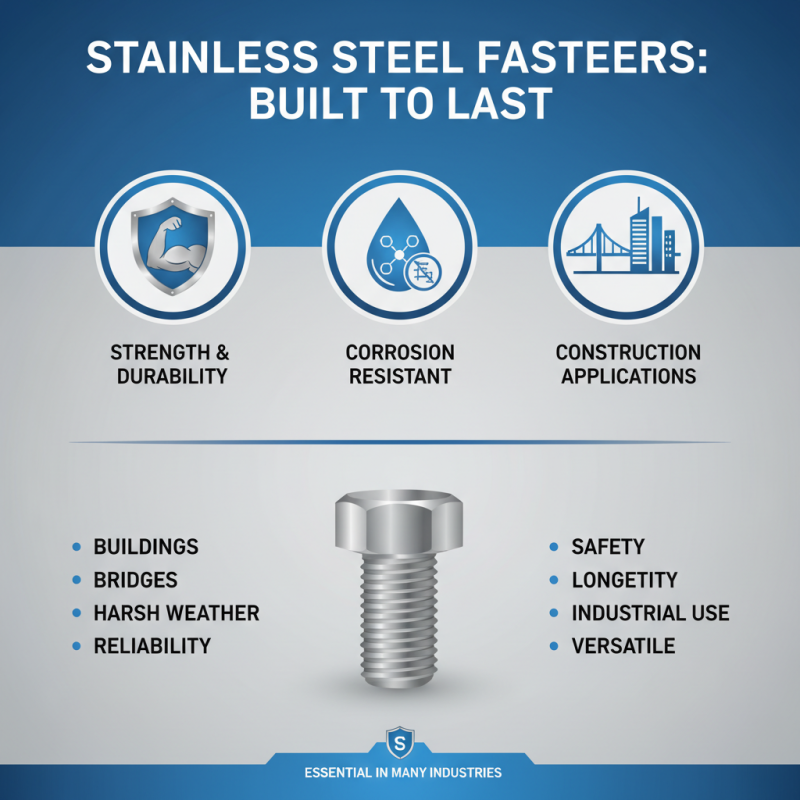
Stainless steel fasteners are essential in many industries. Their strength, durability, and resistance to corrosion make them ideal for various applications. In the construction industry, these fasteners are used in buildings and bridges. They endure harsh weather conditions without degrading. This reliability is crucial for safety and longevity.
In the automotive sector, stainless steel fasteners secure critical components. They withstand vibrations and friction, ensuring vehicles operate smoothly. However, choosing the right fastener can be challenging. Not all grades suit every application. A slight oversight might lead to failures. This aspect warrants careful consideration during the design phase.
The marine industry also benefits from stainless steel fasteners. Boats and ships require robust materials due to constant exposure to saltwater. The corrosion-resistant properties are invaluable here. Yet, some might overlook the necessity for regular inspections. Neglecting maintenance can lead to severe issues. It's vital to reflect on the long-term impact of using such fasteners in demanding environments.
Durability and Corrosion Resistance: Key Advantages of Stainless Steel
Stainless steel fasteners offer remarkable durability and corrosion resistance. These characteristics make them ideal for various applications. For instance, in marine environments, they can withstand saltwater without degrading. This resistance to rust prolongs the life of structures and reduces maintenance.
However, not all stainless steel is the same. The composition can vary. Some grades perform better than others in specific settings. Lower-quality stainless steel may corrode under extreme conditions. Industrial users must select the right type for their needs, which can become complex.
Another advantage is their aesthetic appeal. Stainless steel has a sleek, modern look. This makes it suitable for architectural projects where appearance matters. Yet, some might overlook the importance of matching fasteners with materials. Using incompatible types can lead to issues over time, like galvanic corrosion. Paying attention to details matters in every project.
Common Applications of Stainless Steel Fasteners in Construction
Stainless steel fasteners play a crucial role in construction. They are widely used in building structures, bridges, and other infrastructures. Their resistance to rust and corrosion makes them ideal for outdoor applications. Fasteners like bolts, screws, and nuts made from stainless steel ensure longevity. In harsh environments, they maintain integrity and strength.
In residential projects, stainless steel fasteners secure wood and metal frames. They hold roofing materials in place, providing stability against the weather. In high-rise buildings, these fasteners support heavy loads. They are essential for structural safety and durability. However, using the wrong type can lead to failure. Choosing correctly requires understanding the specific needs of each project.
Some may overlook the importance of selecting the right fastener grades. Different environments demand different grades of stainless steel. For example, marine applications require higher-grade materials. This simple choice impacts overall performance. Construction workers must consider these details during installation. Neglecting them can cause future issues that affect safety and aesthetics.
Top Stainless Steel Fasteners Benefits and Uses Explained
| Benefit |
Description |
Common Applications |
| Corrosion Resistance |
Stainless steel fasteners resist rust and corrosion, making them ideal for outdoor and marine environments. |
Bridges, railings, and coastal infrastructure. |
| Durability |
They have high strength and can withstand harsh conditions without degradation. |
Heavy machinery, industrial equipment, and construction structures. |
| Aesthetic Appeal |
Stainless steel provides a modern and clean look, making it suitable for visible applications. |
Architectural applications, railing systems, and interior design. |
| Low Maintenance |
Require less maintenance compared to other materials, saving time and costs. |
Commercial buildings, storage facilities. |
| Versatility |
Can be used across various applications in different industries due to their adaptability. |
Automotive, aerospace, DIY projects. |
Economic Impact: Cost-Effectiveness of Using Stainless Steel Fasteners
Stainless steel fasteners stand out for their durability and resistance to corrosion. These attributes translate to long-term cost savings. According to a recent industry report, stainless steel fasteners can reduce replacement costs by as much as 30% compared to standard options. Their longevity means fewer replacements and lower maintenance expenses.
When analyzing the economic impact, consider the initial investment versus the lifespan. While stainless steel fasteners may have a higher upfront cost, their resistance to rust and wear leads to fewer repairs. The overall lifecycle cost remains lower. A study from a leading engineering firm indicates that over ten years, stainless steel fasteners can save companies thousands in maintenance.
Tips: Always consider the operating environment when choosing materials. Ironically, opting for a cheaper alternative can backfire, leading to frequent replacements. Understand your project’s requirements thoroughly. Not evaluating these factors can lead to unforeseen expenses down the line. The upfront decision is crucial. Opt wisely and ensure your choice aligns with both performance and budget needs.
Top Stainless Steel Fasteners Benefits and Uses Explained
Industry Standards and Grades: Understanding Stainless Steel Fasteners
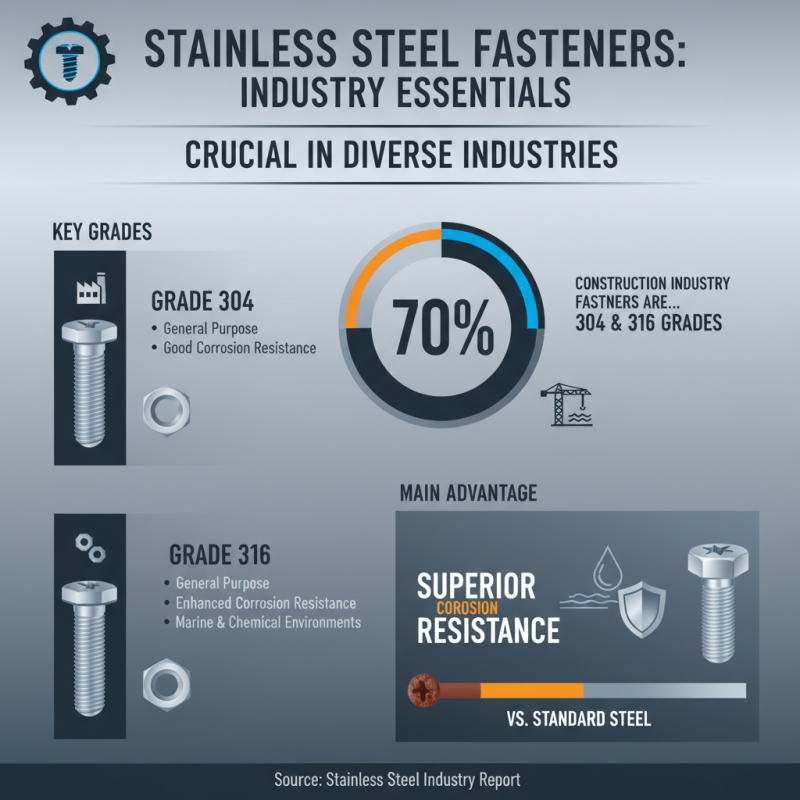
Stainless steel fasteners are crucial in various industries. They come in different grades, each with specific properties. The most common grades include 304 and 316. According to the Stainless Steel Industry Report, about 70% of fasteners used in construction are of these grades. They'll handle corrosion better than standard steel.
Understanding industry standards is vital. The American Society for Testing and Materials (ASTM) provides guidelines. These standards ensure quality and safety. For instance, ASTM F593 outlines fastener qualifications. It emphasizes the need for strength and durability. Industries often face challenges with corrosion. Over 60% of fastener failures stem from improper material choice or lack of adherence to standards.
The versatility of stainless steel fasteners makes them suitable across sectors. Automotive, aerospace, and construction all depend on them. Yet, even with high resistance to rust, improper use can lead to failures. It’s crucial to match the fastener grade to specific environmental conditions. Not aligning these can result in unexpected costs and risks.