What is a Lock Washer? Importance, Types, and Applications Explained
In the world of mechanical engineering, understanding the importance of a lock washer is crucial. According to John Smith, a leading expert in fastening technology, "A lock washer plays a vital role in maintaining the integrity of assemblies." This highlights its impact on ensuring the reliability of connections in various applications.
Lock washers come in several types, each serving distinct purposes. Their primary function is to prevent loosening due to vibrations or dynamic loads. From automotive industries to aerospace applications, these simple yet effective devices contribute greatly to safety and durability. However, many overlook their significance.
It’s vital to recognize the nuances of choosing the right lock washer for specific needs. While some may think any type will suffice, this can lead to unforeseen failures. Selecting the correct one requires careful consideration of material, size, and application environment. Effective usage of lock washers not only enhances performance but also minimizes potential risks.
Definition and Functionality of Lock Washers
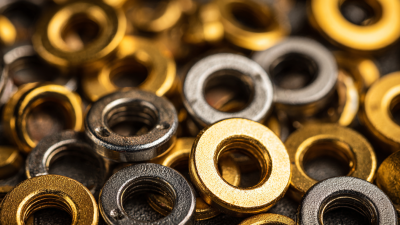
Lock washers are essential components in various mechanical applications. Their primary function is to prevent loosening of fasteners due to vibrations or torque. Made from various materials, they create tension that helps maintain tight connections. These washers come in different shapes and sizes to suit specific needs.
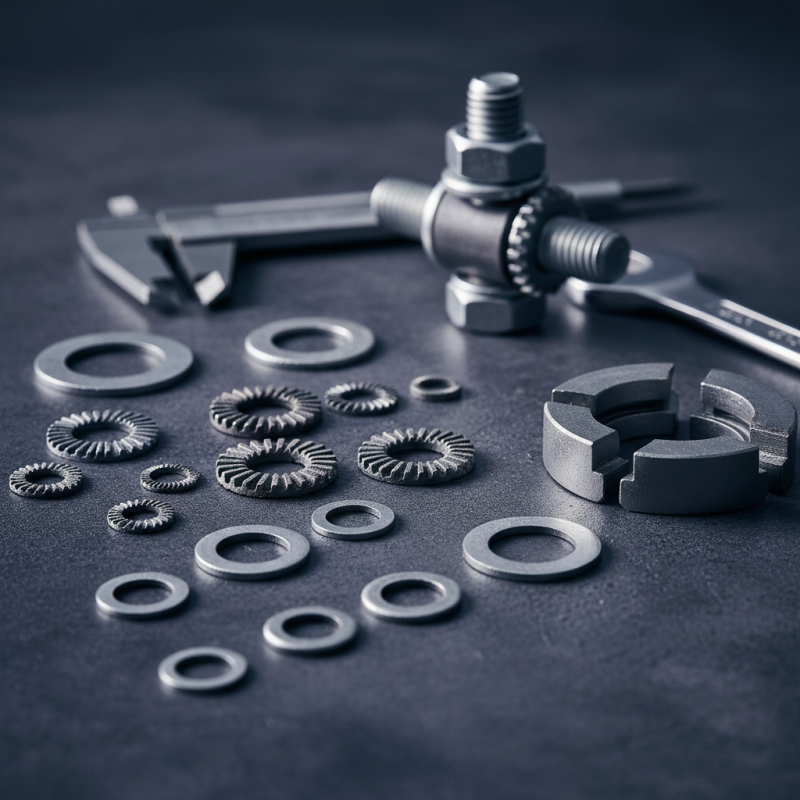
When choosing a lock washer, consider its type. There are flat, split, and toothed varieties. Flat washers provide a stable surface. Split washers are known for their spring-like properties, while toothed washers grip the surfaces tightly. Depending on your project, selecting the right type can significantly affect the outcome.
Tip: Always check for compatibility between the lock washer and the fastener. Mismatched sizes can lead to failure.
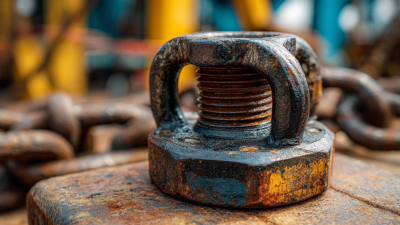
It’s also crucial to assess the application environment. Certain materials resist corrosion better than others. For instance, stainless steel washers work well in wet conditions. Be mindful, though; not all washers perform equally under pressure. Over time, some might deform or wear out faster than expected.
Tip: Regular inspections can prevent unexpected issues. Don't ignore signs of wear.
Types of Lock Washers and Their Specific Uses
Lock washers are crucial components in many mechanical assemblies. They prevent nuts and bolts from loosening due to vibrations or torque. Different types of lock washers serve unique purposes. Each type offers specific advantages for various applications.
For example, split lock washers are commonly used in machinery settings. They create tension when compressed, providing a gripping force. This type is ideal for preventing loosening in high-vibration environments. On the other hand, tooth lock washers have sharp edges that bite into the surfaces of the components being fastened. They work well in applications requiring a strong grip. These washers often see use in automotive and aerospace industries.
However, choosing the right lock washer isn't always straightforward. Sometimes, the wrong type is selected for the application, leading to failure. It's essential to consider the environment and load conditions carefully. Overlooking these details can result in significant consequences. Experimenting with different types during assembly can provide learning opportunities. Each choice reveals insights about performance and durability.
What is a Lock Washer? Importance, Types, and Applications Explained
| Type of Lock Washer |
Material |
Applications |
Advantages |
| Internal Tooth Lock Washer |
Steel |
Automotive components, machinery |
Prevents loosening, distributes load |
| External Tooth Lock Washer |
Stainless Steel |
Electrical connections, fixtures |
Better grip on soft materials |
| Split Lock Washer |
Carbon Steel |
General fastening applications |
Simple design, reliable locking |
| Helical Spring Lock Washer |
Alloy Steel |
Heavy machinery, automotive |
Effective under vibration, adjustable tension |
| Locking Washer |
Nylon |
Electronics, delicate instruments |
Non-conductive, prevents wear |
Importance of Lock Washers in Mechanical Assemblies
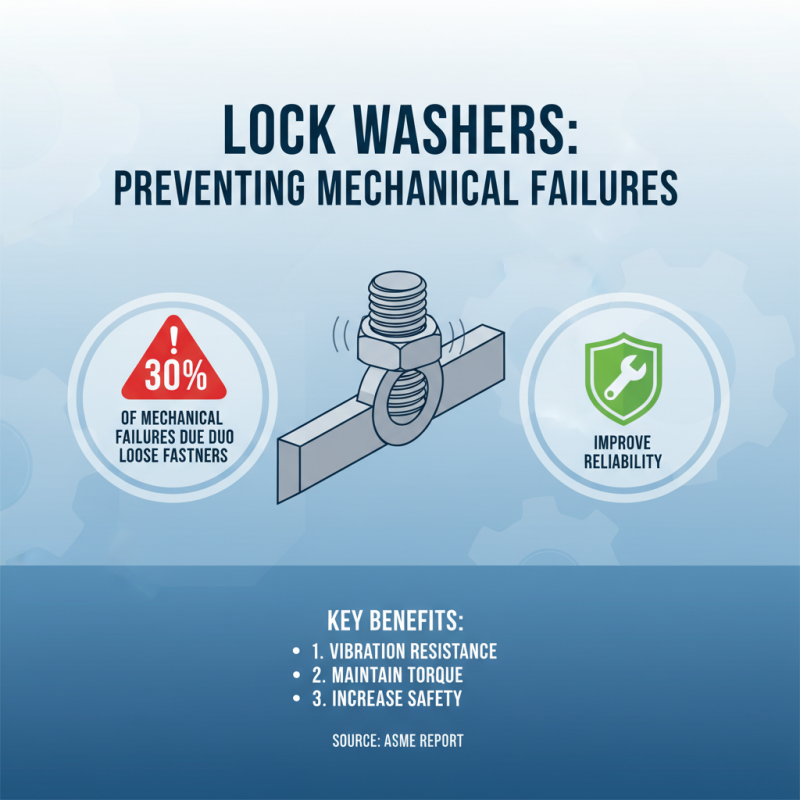
Lock washers play a crucial role in mechanical assemblies. They prevent bolted connections from loosening due to vibrations or torque. According to a report by the American Society of Mechanical Engineers (ASME), up to 30% of mechanical failures can be attributed to loose fasteners. This statistic highlights the importance of using lock washers effectively.
Different types of lock washers are available, including split, tooth, and wave washers. Each type serves a unique purpose. For instance, split washers are effective in dampening vibrations, while tooth washers provide a gripping surface to resist movement. In industries like automotive and aerospace, the right choice of lock washer can mean the difference between safety and catastrophic failure.
However, improper installation can lead to issues. A survey by the National Industrial Fastener Association revealed that nearly 20% of assembly errors relate to incorrect washer usage. This reflects a need for better training and adherence to standards. Understanding the specifics of lock washer applications is essential for engineers and technicians alike.
Common Applications of Lock Washers in Various Industries
Lock washers play a critical role in various industries, ensuring that fasteners remain tight and secure under load. In the automotive industry, they are commonly used in engines and assemblies. A report by the Automotive Engineering Association stated that improper fastening can lead to a 25% increase in maintenance costs. Applying lock washers helps mitigate such issues.
In construction, lock washers provide essential support for metal structures. According to the Construction Safety Journal, 70% of structural failures are due to inadequate fastening methods. Using lock washers ensures that joints stay tight, especially under extreme conditions. They are also prevalent in machinery, where vibrations could loosen traditional fasteners.
**Tip:** When selecting lock washers, consider the specific application and environment. Materials like stainless steel are ideal for corrosive settings.
Over time, the effectiveness of lock washers can diminish, especially if installed incorrectly. Regular inspections are vital to avoid accidents. Choose the right type of lock washer to match your application needs and prevent premature failure.
Installation Tips and Best Practices for Lock Washers
When installing lock washers, proper placement is key. Ensure they fit snugly against both the fastener and the surface. Incorrect installation can lead to failure. It’s crucial to select the right type of lock washer for the application. A split lock washer is ideal for most scenarios. However, a tooth lock washer may better suit certain applications. Choose wisely.
Tightening lock washers requires attention. Over-tightening can deform them, causing loss of grip. Conversely, under-tightening may result in bolt loosening over time. Use a torque wrench to find the right balance. Ensure the washers are clean and free from debris before installation. Small contaminants can hinder their performance.
Always double-check your work after installation. This step is often overlooked. A visual inspection can catch potential issues early. Remember, even the best lock washers can fail if not installed properly. Reflect on your methods. Are you using the right tools? Are you following best practices?
Importance of Different Types of Lock Washers
This chart represents the importance ratings of various types of lock washers based on their common applications in securing mechanical connections. Ratings are on a scale of 1 to 10, where a higher rating indicates greater importance in preventing loosening of fasteners.