Why Choose Wood To Metal Screws for Your Next Project?
When it comes to building and crafting, the choice of fasteners can make a significant difference. Wood to metal screws are an excellent option for many projects. They provide strength, durability, and reliability. When joining wood and metal, traditional screws may fall short. They can strip, break, or fail to create a secure hold.
Wood to metal screws are engineered specifically for this purpose. They feature sharp threads that grip the wood and a robust design that holds tight in metal. Choosing the right screw can save time and frustration. Picture a sturdy outdoor bench or a sleek metal frame. A reliable screw is critical for the end result.
However, not all projects require wood to metal screws. Some may simply need lighter connections, leading to the use of standard screws. Reflecting on specific project requirements is essential. Is the connection truly strong enough? Are there other solutions that may suffice? Balancing the need for strength with the project's demands is part of the design process.
Benefits of Using Wood to Metal Screws in Construction Projects
When selecting fasteners for construction projects, wood to metal screws stand out for several reasons. These screws are designed to bridge the gap between two different materials. According to industry data, using specialized screws can reduce installation time by 25%. This efficiency is crucial in today's fast-paced construction environment.
The strength of wood to metal screws is impressive. They often feature advanced thread designs that grip materials tightly. A report from the Construction Fasteners Association indicates that screws with this design can increase joint strength by 50% compared to traditional screws. This added stability can prevent failures during load-bearing applications.
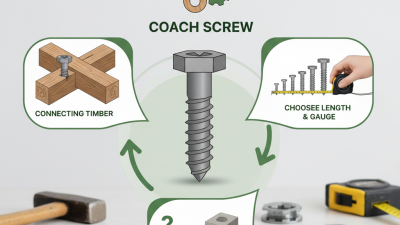
However, there are considerations one must be aware of. Using the wrong length or gauge can lead to inadequate support. Additionally, sometimes, builders overlook the importance of pilot holes. Without them, the risk of splitting the wood increases. So, while wood to metal screws offer many benefits, careful planning and execution are essential to maximize their effectiveness.
Benefits of Using Wood to Metal Screws in Construction Projects
Types of Wood to Metal Screws: A Comprehensive Overview
When it comes to connecting wood and metal, wood to metal screws play a vital role. These specialized screws are designed to provide strong and reliable joints. There are various types of wood to metal screws, each suited for different tasks.
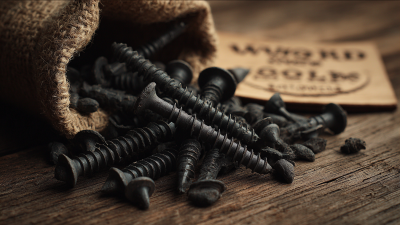
Self-tapping screws are popular for their ease of use. They can create their own threads in metal. This reduces the need for pre-drilling, saving you time on many projects. Wood screws typically have sharp points and wide threads. They grip the wood firmly.
You might also encounter lag screws. These hefty fasteners are perfect for heavier applications. Their size offers durability but can be tricky to drive in. A pilot hole can help here. Flat-head screws provide a clean finish. They sit flush with the surface, great for aesthetic appeal. It is essential to choose the right type based on the project requirements. Consider each screw's strength, size, and finish carefully. Even small choices can impact the outcome.
Factors to Consider When Choosing Wood to Metal Screws
When selecting wood to metal screws, several factors come into play. It's essential to consider the material compatibility. Steel screws are durable but can corrode when in contact with certain woods. Using stainless steel screws can mitigate this issue due to their resistance to corrosion. A study by the American Wood Council indicates that improper material pairing can reduce joint strength by up to 45%.
Next, the screw's size and length should be assessed. A screw that's too short may not provide adequate holding power, while one that is overly long can split the wood. Industry reports show that using screws with a diameter of 4mm to 6mm is often ideal for most projects. This creates a balance between strength and wood integrity.
Thread type also matters. Coarse threads grip the wood better, while fine threads are suited for metal connections. A mismatch can lead to failure; it’s not uncommon for builders to overlook this detail. In a recent survey, builders noted that 30% of screw failures were due to choosing the wrong thread type. Ensuring the right choice can save time and resources in the long run.
Applications of Wood to Metal Screws in Various Projects
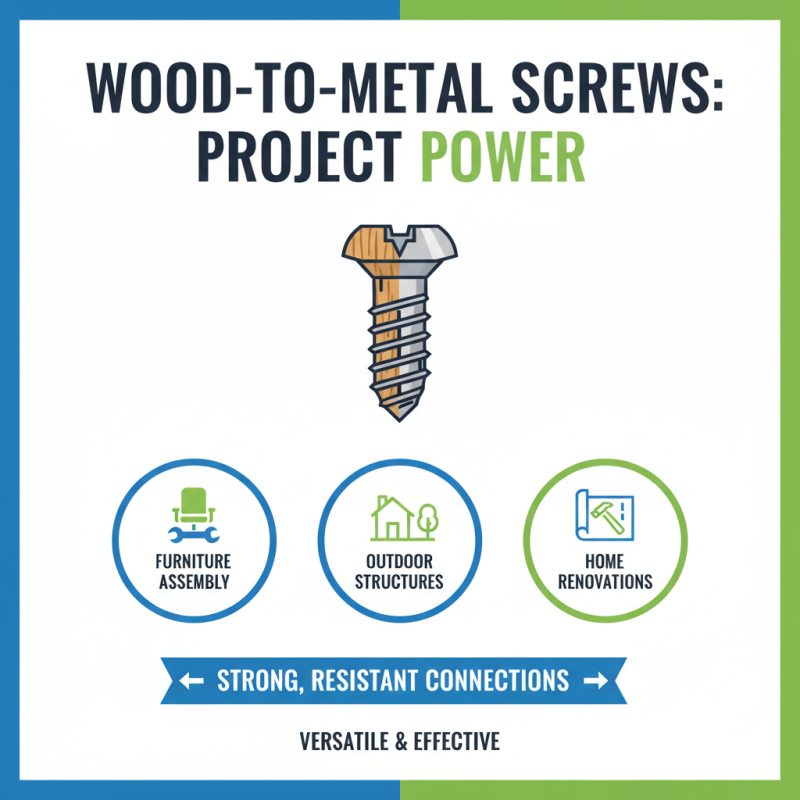
When planning a project, considering the right type of screws is crucial. Wood to metal screws are versatile and effective. They can be used in furniture assembly, outdoor structures, and even home renovations. These screws can join wood with metal securely, enabling strong connections that resist wear.
In furniture projects, using these screws enhances durability. Imagine building a wooden table with metal legs. The stability provided by these screws ensures a long-lasting piece. Additionally, outdoor applications such as decking can benefit from this strong bond. Exposure to the elements can weaken other fasteners, but wood to metal screws hold up well against rust and corrosion.
Even in DIY home improvement tasks, these screws bring significant advantages. They simplify the assembly process and save time. However, not all projects will require these screws. It’s essential to assess whether the components truly benefit from this combination. In some cases, they might be overkill. But for robust builds, they often shine.
Best Practices for Installing Wood to Metal Screws
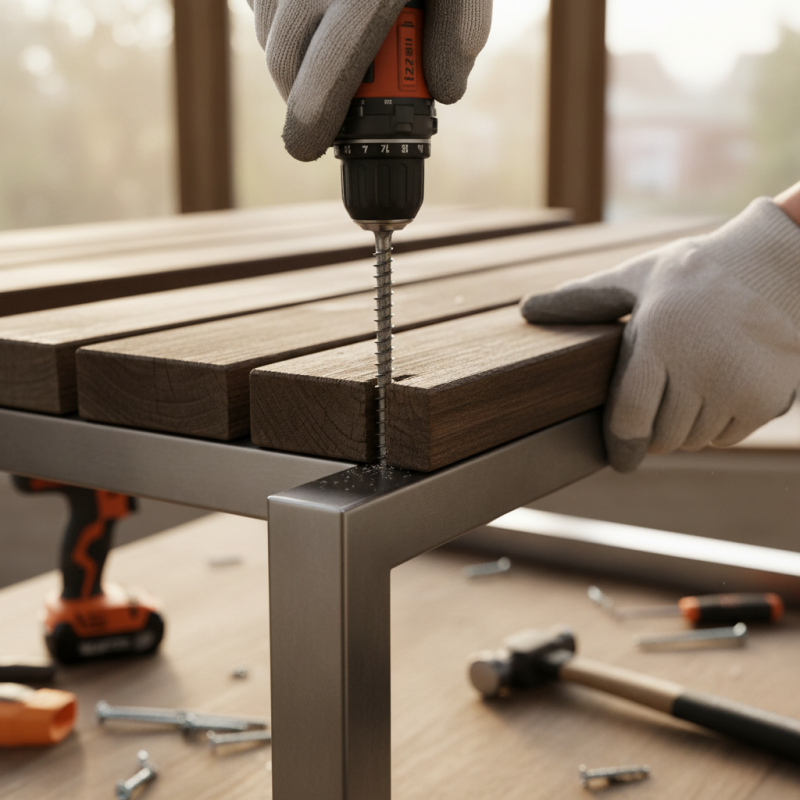
When installing wood to metal screws, precision is key. Begin by selecting the right screw type for your project. For better adherence, ensure the threads are sharp. This improves the grip between materials. Pre-drilling holes in the wood can reduce splitting. It creates a clear path for the screws.
Pay attention to the depth when driving the screws. If you go too deep, it could compromise the wood. However, if the screw isn't flush, it might not hold well. Using a depth gauge can help here. Don't rush; take your time with adjustments. It’s worth it for a sturdy finish.
In addition, always wear protective gear. Metal can create sharp shavings. These dispose of carefully to avoid accidents. Inspect your work regularly. Look for any signs of misalignment. If something feels off, don’t hesitate to backtrack. Each mistake is an opportunity to improve your technique.