China Top Threaded Rivets Manufacturer for Global Buyers
China has become a major sourcing base for Threaded Rivets used in automotive panels, electrical cabinets, furniture frames, and industrial enclosures. Global buyers now expect more than competitive pricing. They need stable dimensions, clean internal threads, reliable grip ranges, and traceable production records. A serious manufacturer should explain material choices, testing methods, surface treatments, and quality controls without hiding behind vague claims.
Fastening engineer Robert W. Messler Jr. offers a useful principle: “A joint is only as reliable as its design, materials, and installation.” That warning applies directly to Threaded Rivets. An M6 rivet nut may look perfect on a sample board, yet fail after repeated torque, vibration, or salt exposure. Small details matter. Sheet thickness matters. Hole size matters. Installation force matters.
This guide examines how Chinese manufacturers serve global buyers, from aluminum and steel selection to zinc plating, stainless-steel options, thread accuracy, and pull-out testing. It also considers ISO-based quality systems, batch inspection, packaging protection, and export communication. These factors support dependable purchasing decisions, but they do not remove every risk. Supplier audits can be incomplete. Test results may reflect ideal conditions. Samples can outperform mass production.
Buyers should ask difficult questions. Request inspection reports. Confirm the actual grip range. Test the rivets in the final assembly. A reliable supplier welcomes this scrutiny. The best choice is not always the cheapest quote. It is the manufacturer that can repeatedly deliver Threaded Rivets matching drawings, tolerances, and real operating conditions.
What Are Threaded Rivets and How Do They Work?
Threaded rivets, also called rivet nuts, create a reusable internal thread in thin materials. They work from one accessible side, unlike conventional nuts.
During installation, a tool pulls the rivet’s threaded mandrel. The rivet body collapses behind the panel and forms a firm backside bulge. A bolt can then enter the internal thread. Think of it as a small anchor hidden inside sheet metal. The process suits steel cabinets, aluminum frames, vehicle panels, and equipment housings.
Correct sizing matters. Hole diameter, material thickness, grip range, and installation torque must match. Too much torque can spin the rivet. Too little deformation can reduce pull-out strength. Practical inspection should include thread gauges, visual checks, and pull-out testing. Our experience shows that uncontrolled hole edges often cause more failures than weak rivet material. That point deserves attention.
The global industrial fasteners market was valued at about USD 88 billion in 2023, according to Grand View Research’s Industrial Fasteners Market report. Its forecast also indicates steady growth through 2030. The report does not isolate threaded rivets, but rising equipment production supports demand for efficient fastening systems. A 2024 market analysis by Mordor Intelligence similarly identifies automotive, construction, and machinery as major fastener users. Figures vary between reports. Buyers should request material certificates, batch traceability, dimensional inspection records, and corrosion-test results before approving production. Reliable suppliers should also confirm installation samples, not only catalogue dimensions.
China Top Threaded Rivets Manufacturer for Global Buyers
What Are Threaded Rivets and How Do They Work?
Threaded rivets, also called rivet nuts, are tubular fasteners installed from one side of a panel to create a reusable internal thread. During installation, the rivet body collapses behind the sheet and forms a mechanical fixing point. The chart shows nominal diameter and ISO metric coarse pitch values for common thread sizes used in threaded-rivet applications. Nominal diameter and pitch are based on ISO metric thread designations under ISO 261.
Key Types and Materials of Threaded Rivets Made in China
China Top Threaded Rivets Manufacturer for Global Buyers
Key Types and Materials of Threaded Rivets Made in China
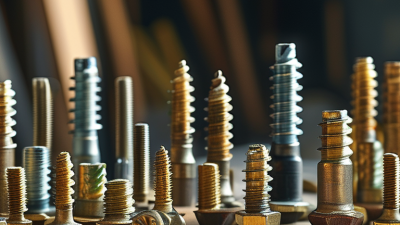
Threaded rivets, also called rivet nuts, create reusable internal threads in thin panels. Common types include round, hexagonal, half-hex, knurled, and countersunk bodies. Open-end rivet nuts suit general fastening, while closed-end types help protect threads from moisture and debris. Small-flange designs leave a cleaner surface. Large-flange versions spread the load across softer sheet metal.
Material selection depends on strength, weight, and the working environment. Zinc-plated carbon steel offers practical strength for indoor equipment and fabricated frames. Stainless steel 304 resists everyday corrosion, while 316 performs better near saltwater or chemical exposure. Aluminum reduces weight in transport structures, but its softer threads require careful tightening. Brass remains useful where conductivity and smooth thread engagement matter.
A reliable Chinese manufacturer should verify dimensions, thread accuracy, hardness, plating thickness, and pull-out performance. Thread gauges can detect poor fit before shipment. Sample testing also matters because a rivet nut may look correct but collapse unevenly during installation. Pneumatic and battery-powered tools need different setting forces. This detail is often missed. Buyers should specify sheet thickness, grip range, thread standard, flange style, and installation method. A catalog choice can still be wrong when the panel material changes. Even a strong stainless rivet nut may fail if the hole is oversized or the mandrel setting is inconsistent.
How Chinese Manufacturers Produce and Test Threaded Rivets
Chinese manufacturers produce threaded rivets through controlled forming, machining, heat treatment, and surface finishing. Production begins with incoming metal inspection. Operators check diameter, hardness, cleanliness, and material certificates before feeding wire or sheet into equipment. Cold forming creates the rivet body with minimal waste. Tapping or thread forming then produces the internal thread. For larger or specialized rivets, CNC machining may refine the bore and head profile. Digital gauges measure critical dimensions during each batch, not only at the end. This matters. A small thread error can cause poor screw engagement.
After forming, some rivets receive heat treatment to improve strength and resistance to deformation. Surface treatments are selected according to the application, required appearance, and environmental exposure. Coated samples are checked for coverage, adhesion, and visible defects. Testing usually includes dimensional inspection, thread gauging, pull-out strength, shear performance, and torque checks. Inspectors use calibrated gauges and record results by lot number. Sampling plans can vary, but critical dimensions deserve tighter control. Experienced teams also inspect tools, because worn punches often leave uneven heads or slight cracks.
Real production is not perfectly smooth. Material variation, tool wear, and rushed adjustments can create inconsistent results. Reliable factories isolate questionable lots instead of hiding them. They review failed samples, correct machine settings, and repeat tests before shipment. Buyers should request inspection records, material data, and sample approval procedures. Photos help, but physical samples reveal more. A thread may look clean yet feel rough during assembly. Details matter. That small issue can become a costly installation problem.
Quality Standards for Threaded Rivets Sold to Global Buyers
China Top Threaded Rivets Manufacturer for Global Buyers
Quality standards for threaded rivets begin with controlled materials, not attractive packaging. Reliable manufacturers verify steel or aluminum grades through mill certificates and incoming inspections. Each production batch should show hardness, tensile performance, thread accuracy, and setting force. ISO 2859-1 sampling plans can support consistent inspection decisions. However, sampling alone cannot replace process control.
Thread dimensions must match the buyer’s drawing and the selected tolerance system. Gauges should check both go and no-go conditions. For corrosion-sensitive applications, laboratories may use ASTM B117 salt-spray testing, but exposure hours do not equal real service life. Coating thickness, humidity, and joint design also matter. This detail is often underestimated.
Quality systems provide the wider structure. The ISO Survey 2023 reported more than 1.26 million ISO 9001 certificates worldwide, showing how widely documented control systems are used. Certification helps, but it is not proof of perfect rivets. Buyers should request traceability records, inspection reports, calibration evidence, and corrective-action history. A factory audit should include production floors, not only offices. Small defects matter. A slightly damaged thread can reduce torque retention during assembly. Experienced suppliers test finished rivets under installation conditions, record failures honestly, and revise tooling when results drift. That last step is imperfect, but necessary.