Best Wood To Metal Screws for Your Global Sourcing Needs?
When considering "Wood To Metal Screws," selecting the right type can significantly impact construction and manufacturing efficiency. Industry reports suggest that the global market for fasteners is projected to reach USD 100 billion by 2026. This demand underlines the importance of quality in wood to metal screws. The choice of materials in these screws affects their durability and strength.
Recent studies show that many manufacturers overlook essential specifications, such as corrosion resistance and tensile strength. Common mistakes include using low-quality screws that cannot support the intended load. Attention to detail is vital. A thorough understanding of wood and metal compatibility ensures effective connections in structures.
While many options exist, sourcing the best wood to metal screws requires expert knowledge. Regional differences in materials and standards also play a critical role. Evaluation of your specific needs is essential to choose screws that meet performance expectations. Trials and feedback from industry professionals can enhance the selection process. Building reliable connections starts with informed decisions about your fasteners.
Overview of Wood to Metal Screws and Their Applications
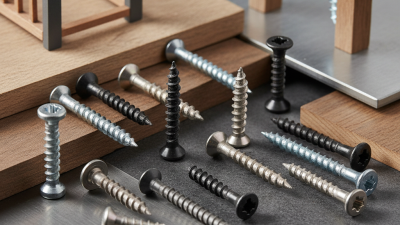
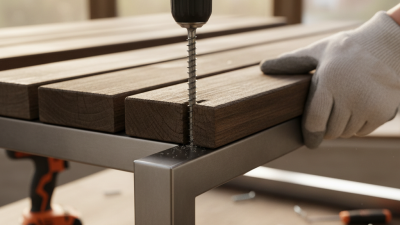
Wood to metal screws are essential in various applications, providing a strong bond between different materials. Their primary function is to fasten wood structures to metal frames or parts. For instance, when building furniture or structural projects, these screws ensure durability and stability.
According to a recent industry report, approximately 30% of construction projects involve wood to metal connections. This underlines their significance in modern construction practices. In residential and industrial settings, these screws are crucial for assembling wooden panels to metal studs. They often utilize specialized coatings to prevent rust and improve lifespan.
However, choosing the right screw is not straightforward. Factors like corrosion resistance and tensile strength are vital. A wrong choice could lead to structural failure. Many professionals emphasize the importance of testing applications before finalizing specifications. This approach can prevent costly mistakes in the long run.
Key Features to Consider When Selecting Wood to Metal Screws
When selecting wood to metal screws, several critical features must be evaluated. First, the screw material plays an essential role in both durability and compatibility. Stainless steel and zinc-plated screws are popular choices, offering corrosion resistance. According to a study by the Fastener Quality Act, around 40% of fastener failures result from inadequate material selection. This statistic emphasizes the importance of choosing the right material.
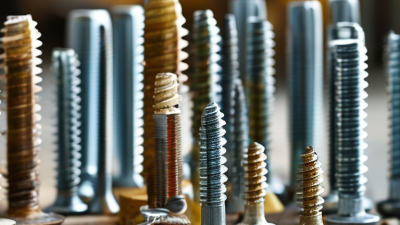
Thread design also significantly impacts the performance of screws. Coarse threads provide better grip in wood, while fine threads are suited for metal applications. The right choice can affect joint integrity. Research shows that incorrect thread specifications can reduce load-bearing capacity by up to 25%. It's vital to refer to industry standards, such as those from ASTM International, to ensure compliance.
Lastly, consider the screw length and diameter. They must match the materials being fastened together. A mismatch can lead to stripped screws or insufficient hold. Some professionals suggest allowing a 1.5 to 2 times length of the wood thickness for optimal results. However, some may overlook these guidelines, risking fastener effectiveness. This aspect demands more attention to detail in the selection process.
Types of Materials Used in Wood to Metal Screws
When considering the materials used in wood to metal screws, understanding their composition is crucial. Most wood to metal screws are made of stainless steel, carbon steel, or brass.
Stainless steel is known for its corrosion resistance. It is suitable for outdoor applications. According to industry reports, around 70% of screws in outdoor furniture are stainless steel. This statistic highlights the importance of rust prevention in design.
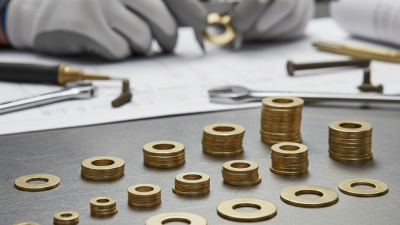
Carbon steel screws are another common choice. They offer strength and durability. However, they may require a coating to enhance corrosion resistance. Reportedly, over 50% of manufacturers in construction prefer carbon steel due to its structural integrity. In contrast, brass screws provide a combination of aesthetic appeal and moderate strength. They are often used in decorative applications. While they resist corrosion, they may not hold up well under heavy loads.
In selecting the right material, consider the environment and load requirements. For example, in marine applications, stainless steel is preferred. Yet, carbon steel may be suitable for indoor projects. As with any selection process, it’s essential to evaluate both performance and potential drawbacks. Understanding the material properties can guide you toward more effective and lasting choices.
Global Sourcing Strategies for Wood to Metal Screws
When sourcing wood-to-metal screws globally, it's vital to consider material compatibility. Different regions produce unique metal alloys and wood types. Understanding these differences can enhance your sourcing strategy. Not all screws perform equally in diverse climates or wood species. You need to match the right screw design with the right materials for optimal performance.
Quality control is another crucial factor in global sourcing. Variability in screw manufacturing standards can lead to inconsistent quality. Regular inspections and certifications are essential. Relying on suppliers with strong track records builds trust. However, it is challenging to ensure quality from afar. Regular communication can help mitigate some risks.
Logistics play a significant role in sourcing. Shipping times and costs can vary widely. Consider geographical distance and potential tariffs. A delay in sourcing may disrupt your project timeline. Reflecting on these challenges is key to improving your strategy. By addressing these issues proactively, you can strengthen your wood-to-metal screw sourcing practices.
Quality Standards and Certifications for Wood to Metal Screws
When sourcing wood to metal screws, quality standards and certifications play a crucial role. These screws must meet specific criteria for strength and durability. Look for screws made from high-quality materials that resist corrosion. This will ensure long-lasting performance in various applications. The right materials can significantly impact the overall integrity of your projects.
Certifications are essential for verifying quality. Look for screws that have been tested according to industry standards. These may include ISO certifications and ASTM standards, which ensure that the screws perform reliably. However, many manufacturers claim compliance without proper proof. Always ask for documentation to confirm their legitimacy.
While some screws may look good on paper, inspection reveals flaws. Issues like uneven threading or poor finishes can affect functionality. Consider partnering with suppliers who prioritize transparency. Their commitment to quality assurance can help you avoid potential setbacks. Remember, investing in quality screws now can save time and costs later.
Best Wood to Metal Screws: Quality Standards and Certifications