Best Lifting Eye Bolt Options for Global Buyers?
When it comes to lifting heavy loads, the choice of a reliable lifting eye bolt is critical. An expert in the rigging industry, John Merritt, emphasizes, “The right lifting eye bolt can make all the difference in safety and efficiency.” This statement resonates deeply in the global market, where the need for reliable equipment is paramount.
Lifting eye bolts come in various designs and materials, catering to different applications. Buyers must consider the load capacity and environmental factors when selecting the right option. For example, stainless steel bolts are often chosen for their corrosion resistance in marine settings. Yet, even within high-quality options, inconsistencies can arise. Some manufacturers may not adhere to safety standards, leading to potential risks.
It's essential to understand that not all lifting eye bolts are created equal. Poor choices can lead to accidents, causing harm to both operators and assets. As buyers navigate the myriad of options available, they must prioritize quality and reliability. Adopting a meticulous selection process can effectively mitigate risks associated with lifting operations.

Overview of Eye Bolts and Their Applications in Lifting Operations
Eye bolts play a crucial role in lifting operations across various industries. They serve as anchor points for rigging and lifting equipment. Their design allows for secure attachment, ensuring safety during heavy loads. Eye bolts come in different sizes and materials, tailored for specific applications. Understanding when and where to use them is key to effective lifting.
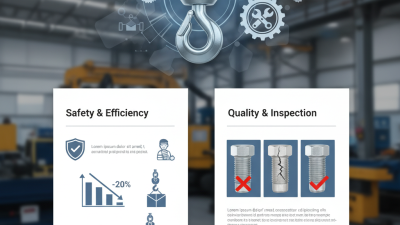
Tips: Always inspect eye bolts before use. Look for signs of wear and damage. Ensure the bolt meets the weight requirements of your load. Follow manufacturer guidelines for installation and use.
Different applications require different types of eye bolts. For instance, angled lifts often need a specific type of bolt that can handle force from multiple directions. Consider the environment as well. Corrosive materials can weaken the eye bolt over time. Adjust your choice based on these factors to avoid risks.
Tips: Use protective coatings for eye bolts in harsh environments. This can prolong their lifespan. Education on proper usage is essential. Training staff about safe practices fosters a culture of safety. Decisions made in securing loads should never be taken lightly.
Types of Eye Bolts: Materials, Sizes, and Load Capacities
When selecting eye bolts for lifting, understanding the different types available is essential. Eye bolts are made from various materials, including steel and stainless steel. Each material has its unique properties and is suited for specific applications. For instance, stainless steel is highly resistant to corrosion, making it ideal for marine environments. On the other hand, carbon steel is more economical but can be prone to rust if not properly coated.
The size and load capacity of eye bolts are crucial factors to consider. Eye bolts come in different diameters and lengths, impacting their strength. Smaller eye bolts may accommodate lighter loads, while larger ones are built for heavy-duty tasks. It's vital to adhere to the manufacturer's specifications regarding load ratings. Miscalculating the required load capacity could lead to catastrophic failures.
Buyers should also consider the eye bolt's design. Some have a closed loop, while others have an open configuration, affecting their functionality. Each type offers varying degrees of stability and safety during lifting operations. Examining the practical applications and conducting thorough tests can help ensure a reliable choice. Every lifting situation presents unique challenges, making careful selection a must.
Key Factors to Consider When Selecting Eye Bolts for Different Projects
When selecting eye bolts, understanding load capabilities is crucial. Eye bolts commonly serve supporting functions, yet they are often misused. The load rating can significantly vary. According to industry studies, 50% of eye bolt failures relate to incorrect load assessments. Using eye bolts beyond their specified limits can lead to catastrophic failures.
Materials matter too. Eye bolts are made from steel, stainless steel, or alloy. Steel offers strength, but stainless steel resists corrosion better. In different environments, this choice impacts performance. Research indicates that 70% of industrial settings require corrosion-resistant fasteners. The longevity of an eye bolt should align with the environment and load requirements.
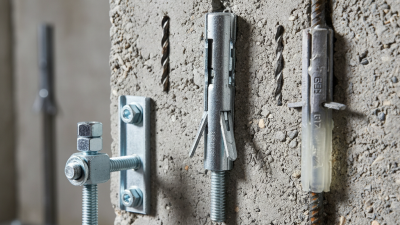
Installation practices cannot be overlooked. Misalignment during installation can compromise the bolt's integrity. Studies show that improper installation leads to 40% of lift-related accidents. Ensuring correct torque specifications and aligning the bolt with the load path improves safety. Buyers need to prioritize education on best practices to reduce risks.
Top Global Manufacturers and Their Best Eye Bolt Products
When selecting the best lifting eye bolts, manufacturers' expertise greatly influences buyer decisions. The global eye bolt market is expected to grow significantly. According to a recent industry report, the demand for lifting eye bolts alone is projected to reach $1.2 billion by 2026. This growth is attributed to rising construction activities and the need for safe lifting solutions.
Top global manufacturers focus on producing high-strength materials. These materials ensure safety and durability, vital for heavy loads. Eye bolts crafted from steel and stainless steel are increasingly popular. They offer excellent corrosion resistance and longevity. Additionally, manufacturers comply with international safety standards, ensuring users can trust their products.
However, quality control remains a challenge. Some manufacturers struggle with consistency in production. This inconsistency can lead to safety risks, especially in critical applications. Buyers must conduct thorough research and review manufacturer credentials to mitigate these risks. Though the options are vast, informed decisions hinge on evaluating the reliability of manufacturers and their products.
Safety Standards and Best Practices for Using Lifting Eye Bolts
When using lifting eye bolts, safety must be a priority. Industry reports indicate that improper use can lead to accidents. In fact, data shows that around 12% of lifting-related injuries occur due to faulty equipment or user error. Eye bolts must be rated for the specific load they will bear. It's crucial to consult their load ratings regularly.
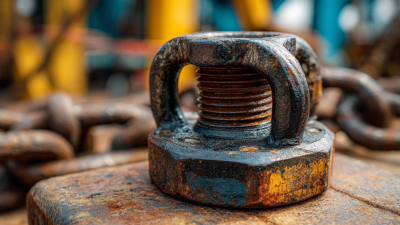
Inspection before each use is vital. Look for signs of wear, deformation, or corrosion. A study by the Occupational Safety and Health Administration (OSHA) highlights that regular inspections can significantly reduce risk. In neglecting these checks, operators expose themselves to unnecessary hazards.
Correct installation also matters. The angle of application can affect the load-bearing capacity. Research indicates that loads applied at an angle can reduce the bolt's capacity by up to 50%. Unforeseen failure can occur due to improper angles. Attention to detail can prevent dangerous situations.
Best Lifting Eye Bolt Options for Global Buyers