2026 Best Black Wood Screws for Global Buyers Guide?
When it comes to woodworking, choosing the right fasteners is crucial. Black wood screws stand out as a favored choice among professionals. Experts like Mark Thompson, a renowned woodworking consultant, emphasize, “Quality screws can make a significant difference in project durability." With their sleek finish and rust resistance, black wood screws enhance both function and aesthetics.
The market offers numerous options, but not all screws are created equal. Buyers should focus on material quality and thread design for optimal performance. The wrong choice can lead to issues, like splitting wood or poor hold. Reflections on past projects often reveal how such details matter.
In 2026, global buyers can navigate the best black wood screws through careful selection. An informed choice ensures that projects not only meet expectations but also withstand the test of time. Engage with the variety available, and consider both function and style for your next woodworking endeavor.
Overview of Black Wood Screws and Their Applications
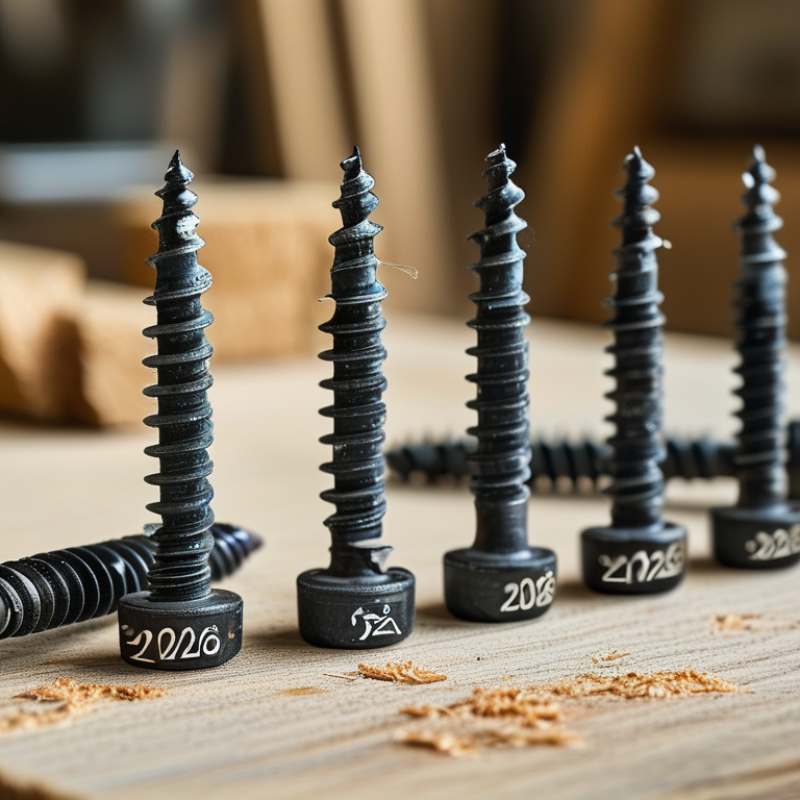
Black wood screws are a popular choice among builders and DIY enthusiasts. These screws are designed for a variety of applications, from furniture assembly to outdoor construction. Their dark finish provides aesthetic appeal while enhancing their corrosion resistance. Made from different materials, black wood screws can suit specific needs.
In woodworking, these screws offer a reliable grip. They help create strong joints, especially in projects with softwood. However, choosing the right screw can be challenging. Factors like length, gauge, and coating significantly affect performance. Many users overlook these details, leading to less effective results.
Proper installation of black wood screws is crucial. Pre-drilling can prevent splitting in delicate woods. Regularly checking for signs of rust or wear is essential for maintaining integrity. Even with quality screws, environmental factors can impact longevity. Users should reflect on their choices to ensure optimal results.
Types of Black Wood Screws: A Comprehensive Breakdown
Black wood screws come in various types, each designed for specific applications. The primary categories include flat head, round head, and pan head screws. Flat head screws are ideal for flush finishes. They are often used in furniture making and cabinetry, ensuring a smooth appearance. Round head screws are versatile and can be used in both visible and concealed applications. Pan head screws offer more surface area, providing a stronger grip for heavier materials.
When selecting black wood screws, consider the material. Steel screws are common, but corrosion-resistant options, like stainless steel or coated screws, are essential for outdoor projects. Industry reports indicate that the global demand for black wood screws is steadily increasing due to growth in the construction and furniture industries. A forecasted growth rate of 5.2% annually reflects the rising preference for durable and aesthetically appealing fasteners.
To ensure proper installation, pre-drilling holes can prevent wood splitting. This small step can enhance the appearance and durability of your projects. In addition, pairing the screw size with the wood thickness is crucial. An incompatible match can compromise stability. Lastly, regular inspections of wooden fixtures are necessary. Over time, screws can loosen, requiring tightening to maintain structural integrity.
Key Features to Consider When Choosing Black Wood Screws
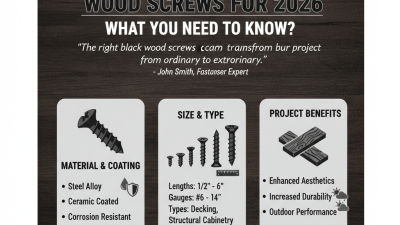
When selecting black wood screws, consider the material. Steel or stainless steel offers strength. Coating is essential too. A durable finish can prevent rust and enhance longevity. Many buyers overlook this feature, focusing solely on length and thread. A quality coating can improve performance noticeably.
Thread design influences grip and hold. Coarse threads are better for softwoods. Fine threads suit hardwoods. Understanding the wood type is crucial in making the right choice. Another often ignored aspect is screw head type. Flat, round, and hex heads serve different purposes. Knowing which one fits your project ensures a proper finish.
Length matters significantly for stability. Screws that are too long can weaken wood structure. Conversely, screws that are too short may not hold well. Pay attention to pilot hole sizing too; it can affect the screw's effectiveness. Lastly, many users underestimate the importance of matching screws with the intended application. This thinking can lead to unnecessary frustration. Careful consideration of these features will lead to better results.
2026 Best Black Wood Screws for Global Buyers Guide
| Screw Type |
Length (mm) |
Diameter (mm) |
Material |
Head Type |
Drive Type |
Corrosion Resistance |
| Wood Screw |
50 |
4 |
Steel |
Flat |
Phillips |
Yes |
| Deck Screw |
65 |
5 |
Stainless Steel |
Oval |
Torx |
Yes |
| Lag Screw |
80 |
6 |
Carbon Steel |
Hex |
Square |
Yes |
| Self-tapping Screw |
30 |
3.5 |
Alloy Steel |
Pan |
Philips |
No |
Top Brands and Manufacturers of Black Wood Screws for Global Buyers
Choosing the right black wood screws is essential for any woodworking project. Many buyers often overlook the importance of quality and reliability. The market offers a multitude of brands, each promising durability. However, not all brands live up to their claims. It’s critical to recognize that performance can vary based on the type of material and application.
Leading manufacturers prioritize innovation and quality control. They often utilize advanced coating technologies to ensure corrosion resistance. Black oxide finish is one popular option, enhancing both aesthetics and durability. Some brands invest heavily in research and development, yet their products might not always align with buyer needs. It’s beneficial to read user reviews and gather insights before purchasing.
Buyers should also consider the size and threading of the screws. These factors can heavily influence strength and performance. It's a good idea to match the screw type with your specific wood type. Many users have encountered mismatches, leading to stripping or breakage. Balancing price with performance can be tricky, requiring thoughtful evaluation. With the right approach, selecting black wood screws becomes less daunting.
2026 Best Black Wood Screws Sales Data
Buying Guide: Sourcing Black Wood Screws for International Markets
When sourcing black wood screws for international markets, understanding material quality is essential. Look for screws made from carbon steel or stainless steel. These materials enhance durability and resistance to corrosion. A reliable screw will feature a black oxide finish, providing aesthetic value in addition to performance.
Do not overlook the thread and shank design. Coarse threads work well for softer woods, while fine threads are better for hardwoods. Ensure the length and diameter of the screws match your specific project requirements. Watch for variations in length among suppliers; even minor differences can affect joint strength.
While most suppliers offer competitive pricing, investigate their manufacturing practices. Ethical sourcing and production reliability are critical factors. Poor quality control can lead to inconsistent products. Buyer feedback can provide insights, but it's essential to consider that even well-rated suppliers may have occasional issues.